Table of Contents
Table of Contents
If you feel like you just finished a round of ear drops and your dog is already shaking their head and scratching at the ear again, you are not imagining things. Recurring dog ear infections are one of the most frustrating problems pet parents bring to a veterinarian, mostly because the infection itself is rarely the whole story. A single ear infection is often just bad luck, a bit of trapped water after a bath or a swim. But when infections keep coming back three or four times a year, flare up every spring, or never seem to fully clear despite treatment, that pattern usually points to an underlying cause that has not been addressed yet.
Treating the infection in front of you without figuring out why it keeps happening is a bit like mopping up a leak without ever fixing the pipe. The reassuring part is that most reasons dogs develop chronic ear infections are well understood, and a licensed veterinarian can usually narrow down the likely cause during a focused conversation and exam, sometimes even through a video visit, before deciding whether an in-person recheck or diagnostic test is needed. For a broader overview of how these infections start and progress, our dog ear infections: causes, symptoms, and treatment guide is a good starting point if you have not already reviewed it.
Allergies Are the Most Common Reason Ear Infections Keep Returning
In general veterinary experience, allergic skin disease is the single biggest driver behind ear infections that will not stay away. Whether the trigger is pollen, dust mites, grass, or an ingredient in the diet, allergies cause chronic low-grade inflammation in the skin lining the ear canal. That inflamed, thickened tissue produces more wax and creates a warm, moist environment where yeast such as Malassezia and opportunistic bacteria thrive. Treating the infection calms things down temporarily, but as long as the allergic inflammation continues, the ear canal stays vulnerable to the next flare.
Environmental allergies often follow a seasonal pattern, flaring in spring or fall and quieting down in winter, while food allergies tend to cause symptoms that persist year round regardless of season. Dogs with allergy-driven ear disease frequently show other clues alongside the ear infections, including itchy paws, frequent face rubbing, recurrent skin infections, or a generally itchy coat. If any of that sounds familiar, it may be worth discussing your dog's broader allergy picture instead of treating each ear flare-up as an isolated event. Our allergy care page covers how ongoing allergic disease is typically managed.
Ear Anatomy and Breed Factors That Make Dogs Prone to Repeat Infections
Some dogs are simply built in a way that makes ear infections more likely to recur. Floppy ears reduce airflow into the canal, which keeps humidity trapped inside. Dogs with narrow or hairy ear canals face a similar problem, since debris and moisture have fewer ways to escape or evaporate. Breeds such as cocker spaniels, retrievers, poodles, and various hound breeds are commonly discussed in veterinary literature as being more prone to ear issues, though this does not mean every dog of these breeds will develop chronic infections, and plenty of dogs outside these groups struggle with recurring ear disease too.
Dogs that swim often or get frequent baths carry an added layer of risk, since water that lingers in the canal after drying off creates ideal conditions for bacterial and yeast overgrowth. This is one of several structural and environmental factors covered in more depth in our article on what actually causes dog ear infections, which walks through anatomy alongside other contributing issues.
Incomplete or Interrupted Treatment Can Let Infections Rebound
One of the most common, and most fixable, reasons ear infections seem to keep coming back has nothing to do with allergies or anatomy at all. It comes down to how the previous infection was treated. Ears often look and smell better within a few days of starting medication, and it is tempting to stop once the obvious symptoms fade. Unfortunately, the infection underneath may not be fully cleared at that point, and stopping early gives surviving yeast or bacteria a chance to rebound, sometimes in a more stubborn form.
Skipping the recommended recheck appointment is another common gap. A short followup lets a veterinarian confirm the ear canal has actually returned to normal rather than assuming it based on how things look from the outside. Reaching for leftover medication from a past infection is also a frequent habit, but the organism causing the current flare-up may be different from the last one, meaning an old prescription may do very little.
Underlying Conditions That Mimic or Worsen Chronic Ear Infections
When allergies, anatomy, and treatment history do not fully explain a pattern of recurring ear infections, it is worth considering other medical conditions that can quietly keep the cycle going. Hormonal imbalances, particularly hypothyroidism, are known to affect skin and ear health in dogs and can make the ear canal more susceptible to ongoing infection. Certain autoimmune or systemic skin conditions can produce similar effects, contributing to inflammation that never fully settles.
Ear mites and trapped foreign debris, such as a grass seed or bit of plant material, can also cause ongoing irritation that looks a lot like a stubborn bacterial or yeast infection but responds differently to treatment. Since the symptoms can overlap significantly, it is worth reading our comparison of ear mites versus ear infections if your dog's ears seem unusually itchy or if home treatment does not seem to be working the way you would expect.
Why Home Remedies Alone Rarely Stop the Cycle
Regular ear cleaning plays a genuinely useful role in managing wax buildup and moisture, and many veterinarians recommend it as part of a long-term maintenance plan. However, cleaning alone does not treat an active infection, and it certainly does not address an underlying allergy or hormonal issue driving the problem. Some home remedies, including vinegar dilutions, essential oils, or other DIY solutions found online, can actually irritate an already inflamed canal, making a dog more uncomfortable rather than less.
If you have been relying mainly on home remedies between flare-ups, it may help to read our breakdown of dog ear infection home remedies, which explains what tends to help, what tends to backfire, and where the limits of at-home care really are. If you are unsure whether what you are seeing right now is even an active infection, our page on signs your dog has an ear infection can help you sort out what warrants a visit.
Breaking the Cycle: What a Veterinary Workup for Chronic Ear Infections Looks Like
Getting ahead of recurring ear infections usually starts with identifying exactly what is growing in the ear canal. Ear cytology, a simple test where a small sample is examined under a microscope, helps a veterinarian determine whether yeast, bacteria, or a mixed infection is present, which directly shapes which medication is likely to work. Alongside this, a thorough history matters just as much as the test itself. Details about diet, timing of flare-ups, grooming habits, and water exposure often reveal patterns that point toward allergies or environmental triggers.
For dogs with a genuinely chronic pattern, longer-term management may involve a food trial, discussion of allergy testing, or referral to a veterinary dermatologist for more specialized care. A convenient first step in this process is a virtual visit with a licensed veterinarian who can review your dog's history, discuss recent symptoms, and help you decide whether at-home management, an in-person recheck, or further testing makes sense. TelaVets offers flat $65 video visits with licensed veterinarians across all 50 states, with same-day appointments and prescriptions when medically appropriate, which can be a practical way to get guidance quickly rather than guessing at the next step. You can book an online vet visit when you are ready to talk through a recurring pattern with a vet.
When Recurring Ear Infections Need In-Person or Emergency Care
While many recurring ear infections can be managed with a combination of medication, allergy control, and maintenance cleaning, certain signs point to something more urgent that needs hands-on veterinary attention rather than a video consult. Watch for the following:
- A head tilt, sudden loss of balance, or unsteady walking
- Facial drooping or an eye that will not blink normally
- Severe swelling, visible bleeding, or a strong foul odor
- Infections that fail to improve after two or more full rounds of appropriate treatment
Any of these findings could suggest a ruptured eardrum, a deep or severe infection, or another complication that requires an in-person examination and possibly imaging. If you notice any of these signs, please seek care from a local veterinary clinic or animal emergency hospital right away rather than relying on telemedicine alone.
Keeping Your Dog's Ears Healthier Between Flare-Ups
Once an active infection has cleared, a bit of routine maintenance can meaningfully reduce how often problems return. Drying your dog's ears thoroughly after swimming or bathing helps prevent the moist environment yeast and bacteria prefer. Regular at-home ear checks, paired with proper cleaning technique, let you catch early signs of redness, odor, or discharge before they turn into a full infection. If you are unsure how to clean safely without pushing debris deeper into the canal, our step-by-step guide on how to clean your dog's ears safely at home walks through the process in detail, and our dog ear health resource offers a broader look at ongoing ear care.
Frequently Asked Questions
Why does my dog keep getting ear infections even after treatment?
Treatment usually clears the infection that is present at the time, but it does not always address whatever caused it in the first place. If an underlying trigger such as an allergy, hormonal imbalance, or anatomical issue is still present, the ear canal remains vulnerable and new infections can develop again fairly quickly.
How many ear infections are considered "recurring" or chronic?
There is no single official cutoff, but as a general guideline, two or more infections within a year, or infections that never fully resolve between rounds of treatment, are typically viewed as a recurring pattern worth a deeper workup rather than repeated one-off treatment.
Can food cause repeated ear infections in dogs?
Yes. Food allergies are a recognized trigger for chronic ear inflammation in some dogs. When food is suspected as a contributing factor, a veterinarian may recommend a structured diet trial as part of figuring out what is driving the recurring infections.
Is it normal for one ear to get infected more than the other?
It can happen. Differences in anatomy, moisture retention, or even slightly asymmetric allergic inflammation can make one ear more prone to repeat problems than the other. Even so, both ears should be checked regularly, since the less affected ear can still develop issues over time.
Do recurring ear infections mean my dog needs to see a specialist?
Not necessarily right away. Many recurring cases can be managed by a general veterinarian once the underlying cause is identified. However, if infections keep returning despite appropriate treatment and management, a referral to a veterinary dermatologist or further allergy testing may be recommended for a more targeted long-term plan.
This article is intended for general educational purposes and is not a substitute for an individualized veterinary examination. If your dog is showing signs of severe pain, neurological changes, or a rapidly worsening ear problem, please seek in-person veterinary care promptly.
Reviewed for veterinary accuracy by Dr. Amber, DVM, with 16 years of clinical experience.
Related Articles
Why Do Dogs Get Ear Infections? Common Causes Explained
Discover the most common causes of dog ear infections, from floppy ears and moisture to allergies and hormonal issues, and when to get help from a vet.
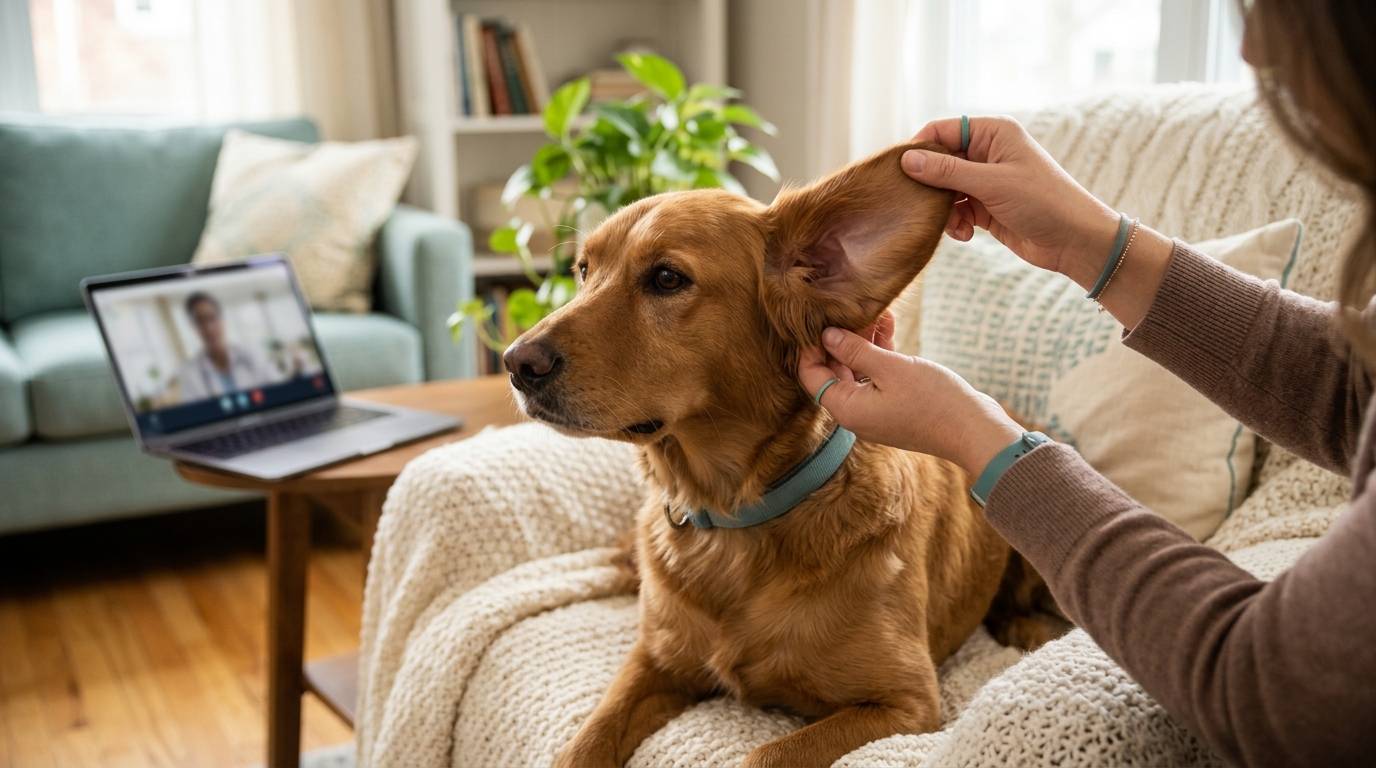
Signs Your Dog Has an Ear Infection (And What to Do Next)
Learn the early and advanced signs of a dog ear infection, when symptoms mean it's time to see a vet, and how a same-day virtual visit can help.
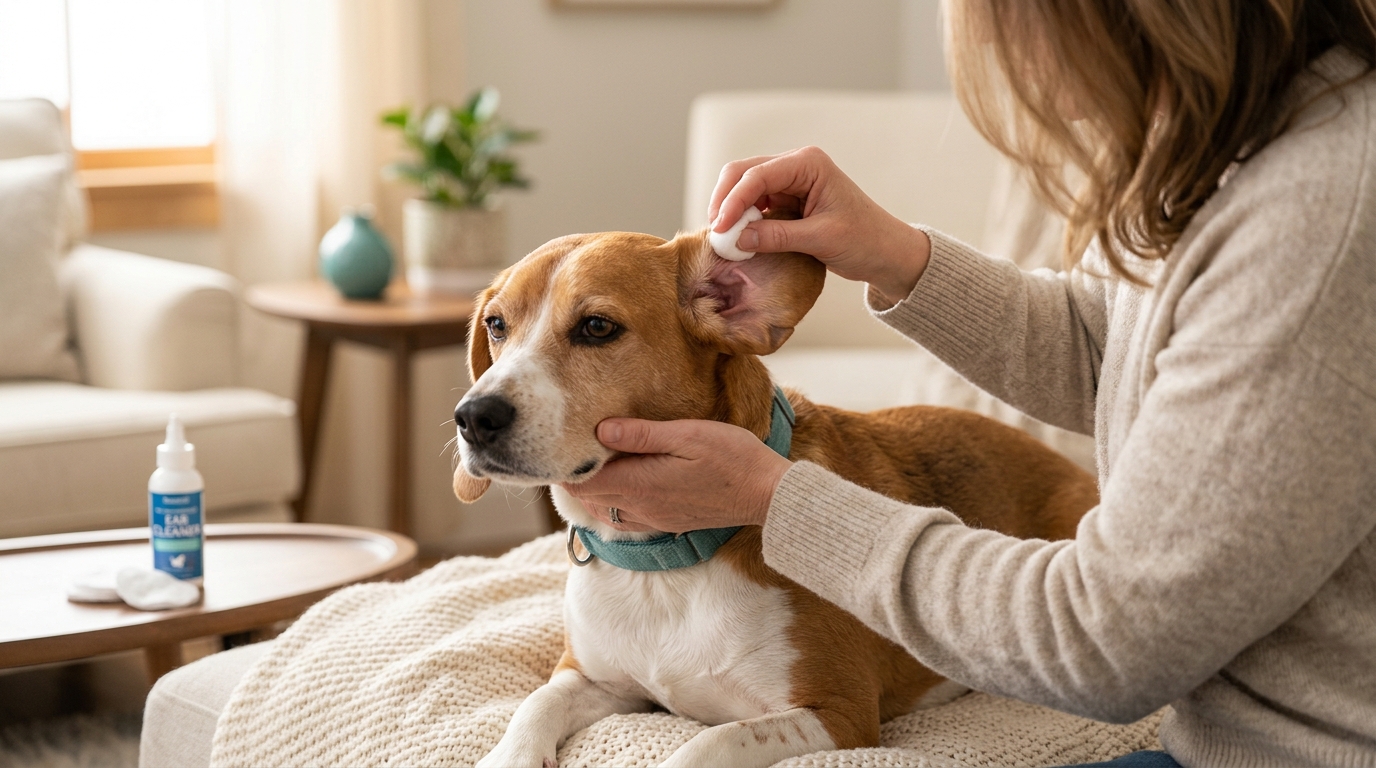
How to Clean a Dog's Ears Safely at Home: Step-by-Step Guide
Learn how to clean dog ears safely at home with vet-informed steps, supply tips, and warning signs that mean it's time to call a veterinarian.