Table of Contents
Table of Contents
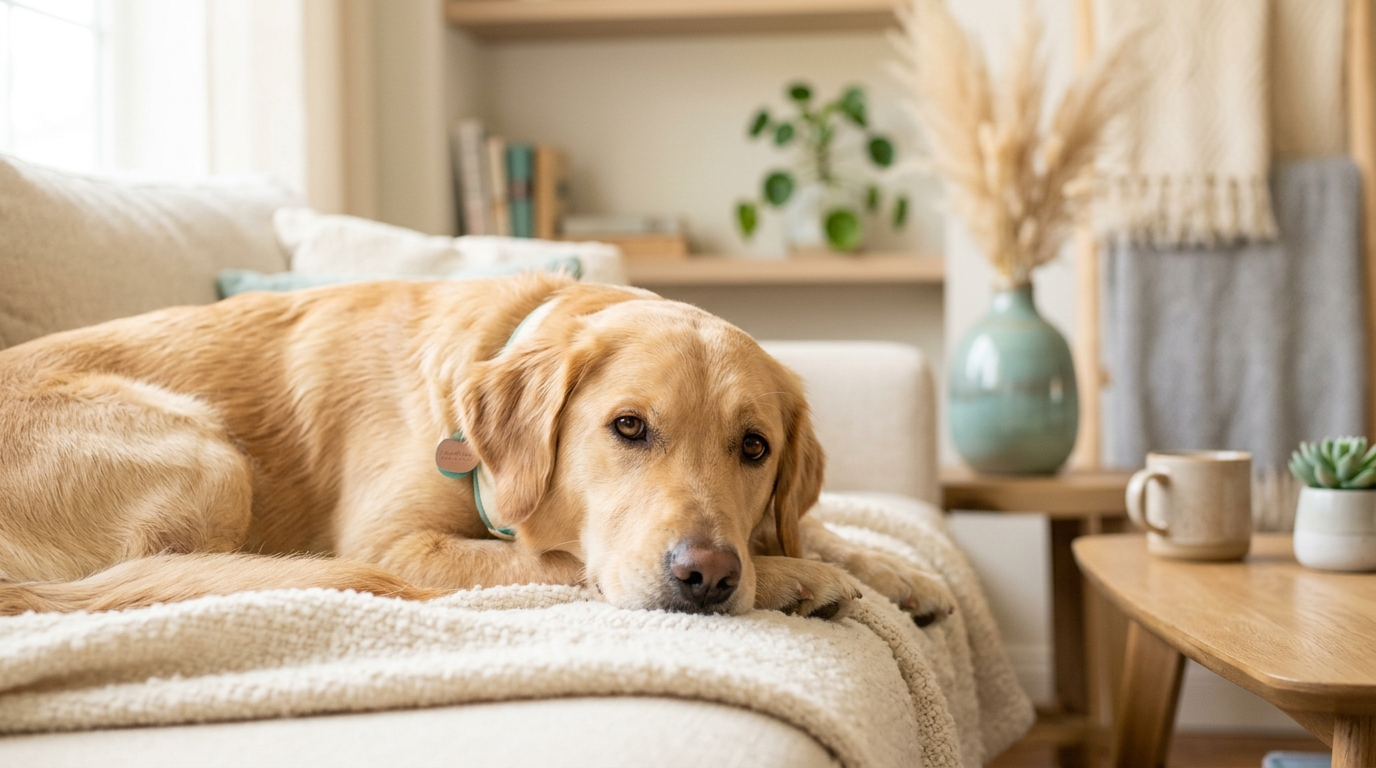
If your dog has been shaking his head, pawing at an ear, or you have noticed a sour smell coming from the side of his face, there is a good chance you are dealing with a dog ear infection. This is one of the most common reasons pet parents seek veterinary care, and most cases respond well to prompt, appropriate treatment. This guide walks through what causes ear infections in dogs, how to recognize the symptoms, what a veterinarian looks for during diagnosis, and how to get help quickly, including through a same-day online vet visit when an in-person trip is not necessary or possible.
This article was reviewed for accuracy by Dr. Mickey Moppin, DVM, who has 19 years of clinical veterinary experience.
What Is a Dog Ear Infection?
A dog ear infection, medically known as otitis, is inflammation or infection within the ear canal. The most common form is otitis externa, which affects the outer ear canal, the tube-shaped structure that leads from the opening of the ear down to the eardrum. Less commonly, infection can progress deeper into otitis media, involving the middle ear behind the eardrum, or in more serious cases, otitis interna, which affects the inner ear and can influence balance and hearing.
Ear infections are among the most frequent reasons dogs are brought in for veterinary evaluation. The ear canal provides a warm, moist environment where bacteria and yeast can multiply quickly once something disrupts the normal balance. Severity varies widely. Some dogs have a mild, itchy irritation that clears up within a week or two of treatment, while others develop painful, chronic disease that recurs for months or years if the underlying cause is never addressed. Understanding where your dog's symptoms fall on that spectrum is the first step toward getting the right kind of help.
Common Symptoms of a Dog Ear Infection
Ear infections tend to announce themselves fairly clearly, though the intensity of symptoms depends on how advanced the infection has become. Head shaking is often the earliest and most noticeable sign, sometimes accompanied by scratching at the ear or rubbing the side of the head against furniture, carpet, or your leg. Many dogs will tilt their head slightly toward the affected side even when there is no neurological involvement, simply because the ear is uncomfortable.
Looking inside the ear, you may notice redness, swelling, or a waxy, brown, yellow, or black discharge. A distinct, unpleasant odor is common with both bacterial and yeast infections and is often one of the first things owners notice before they even look closely at the ear itself. The skin around the ear canal opening may appear irritated or thickened in dogs with longstanding issues. Dogs experiencing ear pain often become sensitive to having their head touched, may flinch or pull away, and some become uncharacteristically irritable or withdrawn.
Because these symptoms can overlap significantly with other ear conditions, it helps to review a full symptom breakdown. Our detailed article on signs your dog has an ear infection covers the complete range of visual and behavioral clues in more depth, including subtler early indicators that are easy to miss. Some of these signs, particularly head shaking and scratching, also look very similar to an ear mite infestation, which we address later in this guide.
What Causes Ear Infections in Dogs
The direct cause of most ear infections is an overgrowth of bacteria or yeast, particularly a yeast species called Malassezia, within the ear canal. These organisms are normally present in small numbers on healthy skin. An infection develops when something disrupts that balance and allows them to multiply unchecked.
Several underlying triggers commonly set this off. Allergies, whether to food ingredients or environmental substances like pollen and dust mites, are one of the leading causes of chronic and recurring ear inflammation in dogs. Moisture trapped in the ear canal after swimming, bathing, or even humid weather creates an ideal environment for bacterial and yeast growth. Excess hair growing inside the canal, along with heavy wax buildup, can also trap moisture and debris. Less commonly, a foreign object such as a grass awn or seed can lodge in the canal and trigger sudden, painful infection, and ear mites can occasionally be the underlying culprit as well, particularly in puppies or dogs living with other pets.
Breed and anatomy play a meaningful role too. Dogs with floppy ears that limit airflow, or narrow, hairy ear canals, tend to face a higher baseline risk regardless of environment. For a more complete explanation of how each of these factors interacts, our article on the common causes of dog ear infections goes into much greater detail and can help you identify what might be driving your own dog's symptoms.
Which Dogs Are Most at Risk
While any dog can develop an ear infection, certain dogs are more prone to it than others. Breeds with long, pendulous ears, such as cocker spaniels, basset hounds, and retrievers, have reduced airflow to the ear canal, which keeps the environment warmer and more humid than in dogs with upright ears. Breeds known for hairy ear canals, including poodles and many terrier breeds, face a similar risk because the extra hair traps moisture and debris close to the skin.
Dogs with diagnosed allergies or chronic skin conditions are consistently overrepresented among cases of recurring ear disease, since inflamed, itchy skin extends into the ear canal just as it affects skin elsewhere on the body. Dogs that swim regularly, live in humid climates, or spend a lot of time outdoors in wet grass also face elevated risk simply due to repeated moisture exposure. Overzealous or improper ear cleaning habits can backfire as well. Cleaning too frequently, using the wrong solution, or inserting cotton swabs too deeply can irritate the delicate skin of the canal and increase susceptibility to infection rather than prevent it.
How Veterinarians Diagnose Ear Infections
Proper diagnosis starts with a visual examination of the ear canal using an otoscope, a lighted instrument that allows the veterinarian to assess the canal walls, look for foreign material, and check whether the eardrum is intact. This step also helps rule out other causes of ear discomfort, such as a tumor, polyp, or foreign body.
Beyond the visual exam, most veterinarians perform ear cytology, which involves taking a small sample of debris from the ear and examining it under a microscope. This step matters because it identifies whether bacteria, yeast, or mites are present and helps guide the choice of medication. Treating a yeast infection with an antibiotic meant for bacteria, for example, will not resolve the problem and may allow it to worsen. For infections that keep coming back or do not respond to standard treatment, a veterinarian may recommend a bacterial culture and sensitivity test, or in more serious cases, imaging such as CT to evaluate the middle and inner ear.
Some diagnostic steps, particularly deep otoscopic evaluation and cytology sampling, do require hands-on access to the ear. This becomes relevant later when deciding whether a case is well suited to a virtual visit or needs an in-person exam, a distinction we cover further down.
Treatment Options for Dog Ear Infections
Treatment typically begins with a thorough ear cleaning to remove wax, discharge, and debris, since built-up material can prevent medication from reaching the site of infection. Once the ear is clean, a veterinarian will usually prescribe a topical medication applied directly into the canal, which may combine an antibiotic, antifungal, and anti-inflammatory component depending on what the cytology results showed. In more severe or deep-seated cases, oral antibiotics or oral antifungal medication may be added to the treatment plan.
You can review our dedicated Dog Ear Health service page for more on how TelaVets approaches ear infection care from an online visit.
Addressing any underlying trigger is just as important as treating the active infection. If allergies are driving repeated flare-ups, a veterinarian may discuss dietary changes, environmental management, or ongoing allergy control alongside the ear treatment itself. Since allergy-related skin issues in dogs frequently overlap with gastrointestinal symptoms, some dogs with underlying allergies also benefit from a broader look at digestive health, which our team occasionally sees alongside concerns covered on our Dog Allergy Care page. A licensed veterinarian needs to examine the ear or review clear images and history before prescribing anything, since the wrong medication for the wrong type of infection can prolong symptoms or mask an underlying problem.
Can You Treat a Dog Ear Infection at Home
It is understandable to want to try home care first, especially if symptoms seem mild. Unfortunately, a true bacterial or yeast infection rarely resolves with home remedies alone, and delaying appropriate treatment often gives the infection more time to become painful, chronic, or resistant to standard medication. Gentle, vet-approved ear cleaning between prescribed treatments can support recovery once a veterinarian has confirmed what is actually going on, but cleaning alone is not a substitute for medication when a true infection is present.
Certain home remedies can do more harm than good. Human ear drops are not formulated for a dog's ear chemistry and can cause irritation. Alcohol and hydrogen peroxide can be painful and damaging to inflamed tissue, and essential oils, even those marketed as natural, can be toxic or irritating to a dog's sensitive ear canal. For a fuller breakdown of what is genuinely safe to try at home versus what to avoid entirely, our article on dog ear infection home remedies walks through each option in detail.
How to Clean Your Dog's Ears Safely
Routine ear cleaning, done correctly, is one of the simplest ways to support ear health, particularly for at-risk breeds. In general, this involves applying a vet-approved ear cleaning solution into the canal, gently massaging the base of the ear, and wiping away loosened debris with a cotton ball rather than a cotton swab, which can push material deeper into the canal or injure the eardrum if inserted too far.
How often you should clean your dog's ears depends heavily on breed, activity level, and individual risk factors. Dogs with floppy ears or a history of infections may benefit from more frequent cleaning, while dogs with upright ears and no history of issues often need very little intervention. Our step-by-step article on how to clean a dog's ears safely at home covers the full process, including which products to use and warning signs that mean you should stop and call a veterinarian instead.
Why Some Dogs Get Recurring Ear Infections
Some dogs seem to develop one ear infection after another, and this pattern almost always points to an underlying issue that has not been fully resolved. Untreated or poorly managed allergies are one of the most common culprits, since the ongoing inflammation they cause keeps the ear canal vulnerable to repeat infection even after each individual episode clears up. Stopping a prescribed medication course early, once symptoms appear to improve but before the infection is fully resolved, is another frequent contributor to relapse.
Chronic inflammation over time can also cause the ear canal itself to narrow and thicken, a change that further restricts airflow and makes future infections more likely, creating a frustrating cycle. Breaking that cycle requires identifying and managing the root cause, not simply treating each infection as it appears. If your dog has dealt with repeat ear infections, our dedicated guide on recurring dog ear infections explains how veterinarians approach these more complex, chronic cases.
Ear Infection or Ear Mites: Why It Matters
Ear mites, caused by a parasite called Otodectes cynotis, are far more common in puppies and cats but do occur in adult dogs, particularly in households with multiple pets. Mite infestations can look strikingly similar to a bacterial or yeast infection from the outside, often producing head shaking, scratching, and dark discharge, but they require a completely different treatment approach involving parasiticide medication rather than antibiotics or antifungals.
Because the visible symptoms overlap so closely, it is easy to guess wrong without a proper look at the debris under a microscope. Our article on ear mites versus ear infection breaks down the distinguishing features and explains why getting the diagnosis right matters for effective treatment.
When to See a Vet for a Dog Ear Infection
Most ear infections should be evaluated rather than watched and waited out, since the discomfort they cause tends to worsen rather than improve on its own, and delaying treatment can allow a mild case to progress into something more painful or resistant. That said, not every ear infection requires an emergency room visit, and understanding the difference can save you time, stress, and unnecessary expense.
Certain signs do warrant urgent, in-person veterinary attention rather than a scheduled appointment of any kind. These include a sudden head tilt that does not resolve, loss of balance or stumbling, severe swelling of the ear flap, active bleeding, or any signs suggesting facial paralysis, such as drooping on one side of the face. These symptoms can indicate that infection has spread deeper into the ear or is affecting nearby nerves, and they need hands-on evaluation right away.
- Sudden head tilt or loss of coordination
- Stumbling, circling, or apparent loss of balance
- Rapid or severe swelling of the ear flap
- Active bleeding from the ear canal
- Facial drooping or asymmetry
Outside of these red flags, mild to moderate ear infections, ones involving head shaking, scratching, odor, and discharge without neurological signs, are generally well suited to evaluation through a virtual visit, where a veterinarian can review the symptoms and ear appearance and determine next steps.
How an Online Vet Visit Can Help With Ear Infections
For many mild to moderate ear infections, a video visit with a licensed veterinarian can be a genuinely convenient way to get an accurate assessment without rearranging your day around a clinic appointment. During a virtual exam, the veterinarian will ask about your dog's history, symptoms, and any previous ear issues, and will typically ask you to show the outer ear and canal opening on camera as closely as your dog will comfortably allow. This, combined with a detailed history, is often enough to guide an appropriate treatment plan.
TelaVets offers same-day video visits through Google Meet at a flat fee of $65 per visit, with no memberships and no hidden charges. Every visit is conducted by a licensed veterinarian, never a vet tech, nurse, or chatbot, and appointments are available across all 50 states, including nights and weekends. When appropriate, the veterinarian can send a prescription the same day, which you can fill through an online pharmacy or a local one near you. Booking is simple: schedule a time online, join your appointment on Google Meet with your dog nearby, and receive a prescription by email if the veterinarian determines one is medically appropriate.
It bears repeating that dogs showing any of the red-flag signs mentioned above, particularly head tilt, loss of balance, or bleeding, need in-person emergency care rather than a virtual visit. Telehealth is a strong option for triage and for many uncomplicated ear infections, but it is not a substitute for hands-on emergency treatment when a dog's symptoms suggest something more serious. If you are unsure which category your dog falls into, starting with a virtual visit is often a reasonable first step, since the veterinarian can advise you to seek in-person care immediately if the situation calls for it.
Preventing Future Ear Infections
A few consistent habits can meaningfully reduce your dog's risk of developing ear infections over time. Drying your dog's ears thoroughly after baths, swimming, or exposure to wet weather removes one of the biggest risk factors, since trapped moisture is such a common trigger. For dogs with diagnosed allergies, working with a veterinarian to manage those allergies on an ongoing basis often does more to prevent recurring ear issues than any cleaning routine alone.
Building a habit of checking your dog's ears during regular grooming sessions, particularly for at-risk breeds with floppy ears or hairy canals, allows you to catch early changes in odor, discharge, or redness before they progress. At the same time, it is worth resisting the urge to clean the ears excessively, since over-cleaning can irritate the canal and paradoxically increase the risk of infection rather than prevent it. A measured, consistent routine tends to serve dogs far better than either neglect or overcorrection.
Final Thoughts on Dog Ear Infections
A dog ear infection is uncomfortable, sometimes painful, but very treatable when addressed early with an accurate diagnosis. Paying attention to the first signs, head shaking, scratching, odor, or discharge, and getting a proper look at what is actually happening inside the ear canal makes recovery faster and more comfortable for your dog. Recurring or chronic cases in particular deserve a full veterinary evaluation rather than repeated rounds of guesswork, since lasting improvement usually depends on identifying and managing whatever is driving the infections in the first place.
This article is intended for general educational purposes and is not a substitute for an in-person veterinary exam when your dog's symptoms suggest a serious or emergency condition. Content was reviewed by Dr. Mickey Moppin, DVM, drawing on 19 years of veterinary clinical experience.
Frequently Asked Questions
How do I know if my dog has an ear infection or just needs a cleaning?
Mild wax buildup without odor, redness, or discomfort is normal and usually just needs routine cleaning. If you notice a strong odor, redness, swelling, discharge, head shaking, or signs of pain when the ear is touched, these point toward an actual infection that needs veterinary evaluation, even a virtual one, before assuming a simple cleaning will fix it.
Can a dog ear infection go away on its own without treatment?
True bacterial or yeast infections rarely resolve without targeted medication. Left untreated, they often worsen, become more painful, and can progress into chronic disease that is harder to manage. A veterinary evaluation is recommended rather than waiting to see if it clears up on its own.
Is a dog ear infection an emergency?
Most ear infections are not true emergencies, but they should still be treated promptly rather than ignored. Specific signs such as a sudden head tilt, loss of balance, severe swelling, or bleeding mean your dog needs in-person urgent care rather than a scheduled or virtual appointment.
How long does it take to treat a dog ear infection?
Mild cases often improve within one to two weeks of proper treatment. Chronic infections or those tied to underlying allergies can take longer to fully resolve and may require ongoing management rather than a single course of medication. There is no guaranteed timeline, since recovery depends on the type and severity of the infection.
Can I get antibiotics for my dog's ear infection without an in-person vet visit?
A licensed veterinarian can evaluate many mild to moderate ear infections through a virtual visit and prescribe appropriate medication when an in-person exam is not clinically necessary. Services like TelaVets offer this option for $65 per visit. However, dogs with severe symptoms, such as head tilt, loss of balance, or bleeding, still need hands-on emergency care rather than a virtual appointment.
Related Articles
Why Do Dogs Get Ear Infections? Common Causes Explained
Discover the most common causes of dog ear infections, from floppy ears and moisture to allergies and hormonal issues, and when to get help from a vet.
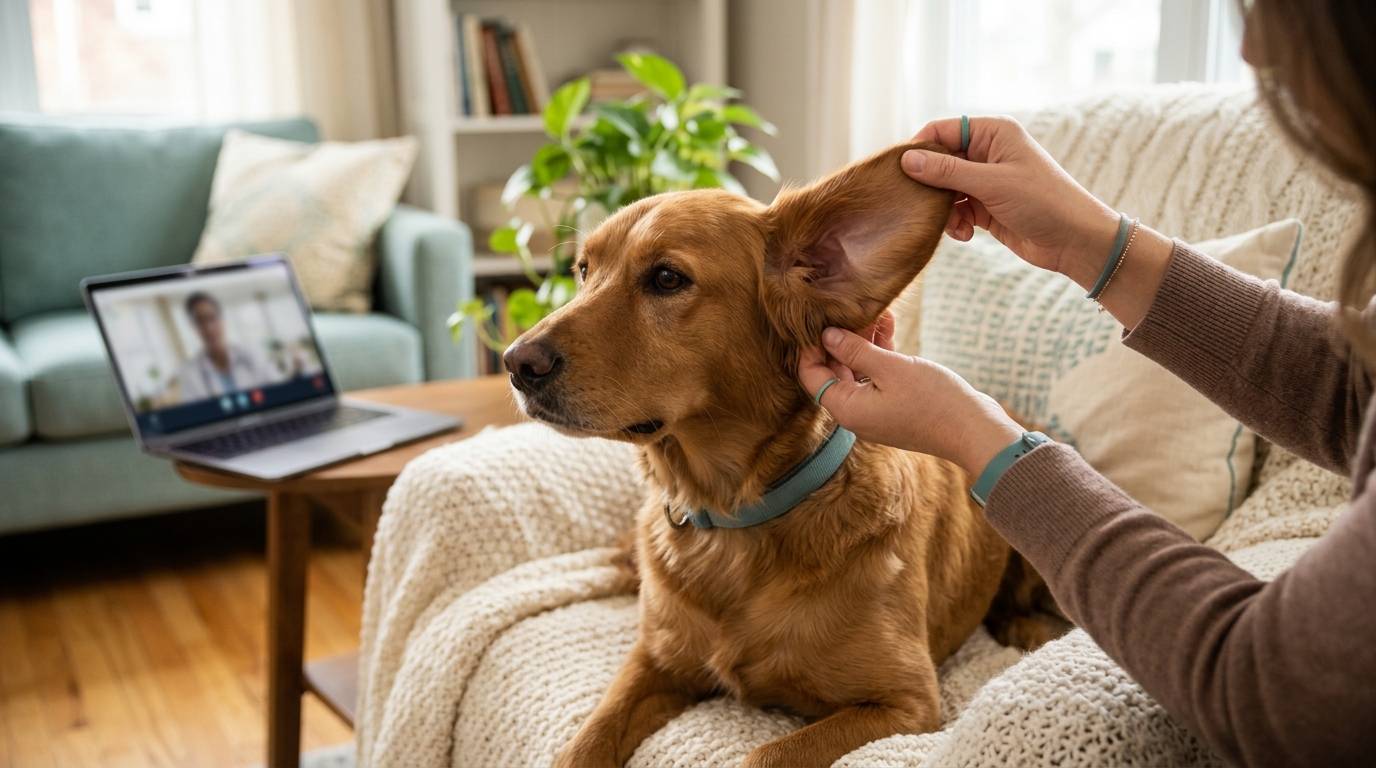
Signs Your Dog Has an Ear Infection (And What to Do Next)
Learn the early and advanced signs of a dog ear infection, when symptoms mean it's time to see a vet, and how a same-day virtual visit can help.

Recurring Dog Ear Infections: Why They Keep Coming Back
Learn why recurring dog ear infections happen, from allergies and anatomy to incomplete treatment, and how to finally break the cycle with proper veterinary guidance.