Table of Contents
Table of Contents
Short Answer
Protecting your dog's paws from cuts and injuries comes down to a handful of consistent habits: check the ground before you walk, keep nails trimmed and paw fur tidy, and add protective gear like wax or booties when the surface is hot, icy, or rough. None of these steps guarantee an injury-free walk, but together they cut down the odds of a torn pad, a burn, or a piece of glass working its way into the skin. If a cut, burn, or puncture happens despite your precautions, a vet visit, online or in person, is the fastest way to figure out what it needs.
This article was medically reviewed by Dr. Mickey, DVM, who has 19 years of clinical experience treating paw injuries in dogs.
Why Paw Protection Matters for Every Dog
A dog's paw pads carry the animal's full body weight and absorb impact on every step, working as the only barrier between soft tissue and whatever happens to be on the ground. That is a lot of responsibility for a small patch of skin, which is part of why paw injuries are one of the more common reasons pet parents reach out for veterinary advice. A single deep cut or a bad chemical burn can leave a dog limping for days or weeks, and small repeated injuries add up over a lifetime.
Some dogs face more risk than others. Hiking companions cross gravel, rocky creek beds, and thorny brush. Urban dogs walk on sidewalks that reach painful temperatures in summer and get coated in de-icing salt in winter. Working and herding breeds that spend long hours outdoors wear down their pads faster than a mostly indoor lap dog. Knowing your own dog's routine helps you decide which precautions actually matter for your situation.
Check the Terrain Before You Walk
Before you clip on the leash, take thirty seconds to actually look at the ground you are about to cross. Pavement, sand, and even artificial turf can absorb enough heat on a sunny day to blister a paw pad within minutes. A simple test many veterinarians recommend is pressing the back of your hand against the surface for five to seven seconds. If it is too hot for your hand to tolerate, it is too hot for your dog's paws too.
Scan for broken glass, sharp gravel, thorny plants, and patches of rock salt or de-icing chemicals, especially near driveways and parking lots in colder months. In winter, avoid walking your dog on frozen ground or ice-crusted trails unless the dog is already used to that terrain and wearing some form of paw protection. None of this takes long once it becomes a habit, and it prevents a good share of the injuries that end up needing veterinary attention.
Build Paw Toughness Gradually
Paw pads can adapt to rougher terrain over time, but that adaptation has to happen slowly. Increasing walk distance or trail difficulty over several weeks, rather than days, gives the skin time to thicken naturally. A dog that has spent the winter mostly indoors and then goes on a five-mile rocky hike in spring is a strong candidate for cracked or bleeding pads by the end of the day.
Regular shorter walks on a mix of surfaces such as grass, sidewalk, and packed dirt tend to build more resilient paws than occasional long outings on a single extreme terrain. Think of it the way you would think about conditioning a runner's feet: steady, incremental exposure beats sudden intensity. This will not make paws indestructible, but it does reduce the chance of an injury caused purely by unaccustomed terrain.
Trim Nails and Fur Around the Paws Regularly
Overgrown nails change how a dog's foot strikes the ground, and that altered gait can lead to slipping, twisted toes, or torn nails, including at the dew claw. Nails that click loudly on hard floors are usually a sign they need attention. Regular trims, whether done at home or by a groomer, keep the foot structurally normal and lower the odds of a snagged or split nail. Dew claws deserve their own look too, since they do not touch the ground and can grow long or curve into the skin if overlooked.
Long fur between the toes and around the pads is another overlooked risk factor. In winter, that fur traps ice balls that can cause painful cracks. In warmer months, it collects burrs, gravel, and debris that irritate the skin and sometimes work their way into small cuts, occasionally contributing to interdigital cysts. Keeping that fur trimmed short, especially for breeds with feathered or heavily furred feet, is a simple habit that pays off.
Use Paw Wax, Balms, or Booties for Extra Protection
For dogs that regularly face hot pavement, salted sidewalks, or rough trail surfaces, a protective paw wax or balm can add a breathable barrier between the pad and the ground. These products are generally applied before a walk and can help with everyday wear and moderate temperature extremes, though they are not a substitute for avoiding genuinely hazardous conditions.
Dog booties offer a higher level of protection and are worth considering for icy trails, gravel-heavy hikes, or a dog recovering from a paw injury who needs extra coverage during healing. Booties take some getting used to, so introduce them gradually indoors, with short supervised sessions, before relying on them for a full walk. Whichever option you choose, the goal is reducing risk, not guaranteeing an injury-free walk every time.
Watch for Allergies and Skin Issues That Weaken Paw Pads
Chronic paw licking and chewing are common signs of skin allergies, and over time that constant moisture and friction can thin and crack the paw pads themselves. A dog with allergy-driven paw inflammation is more likely to develop a small cut that turns into a bigger problem, because the skin barrier is already compromised before anything sharp is even involved.
If you notice a dog obsessively licking one or both front paws, redness between the toes, or a chewed, raw appearance, it is worth looking into allergy treatment for dogs rather than only treating the surface wound. Addressing the underlying itch reduces the self-inflicted trauma that makes paws more vulnerable in the first place.
I see a fair number of paw injuries in dogs that were already licking or chewing their feet before the cut ever happened. Treating the wound without addressing the itch underneath it usually means the problem comes right back.
Mind Joint and Mobility Issues That Affect Gait
Dogs compensating for joint pain, especially in the hips, knees, or elbows, often shift how they distribute weight across their paws. Some drag a foot slightly, others favor one side, and both patterns increase friction and uneven wear on the pads carrying the extra load. Over time, that uneven gait can make certain pads more prone to cracking or abrasion than others.
Managing underlying joint pain, particularly in older or arthritic dogs, can indirectly reduce this kind of paw stress. If your dog has started walking differently, seems stiff after rest, or is reluctant on stairs, it may be worth exploring arthritis and joint care for dogs as part of a broader paw-protection plan, not just a comfort measure.
After the Walk: A Quick Paw Check Routine
A short paw inspection after every walk catches most problems while they are still minor. Gently look between the toes and across each pad for redness, small cuts, embedded debris such as a splinter or piece of gravel, or any swelling. This takes under a minute once it becomes routine, and it is often the difference between noticing a small issue early and discovering a larger wound days later.
After walks in salted or chemically treated areas, or through mud and standing water, rinse the paws with plain water and dry them thoroughly, including between the toes. Trapped moisture combined with salt or chemical residue can irritate the skin and set the stage for cracks or infection. A weekly closer look, checking nail length and the condition of the pads themselves, rounds out a simple but effective habit.
When Prevention Is Not Enough: Signs of a Paw Injury
Even careful pet parents will eventually deal with a paw injury at some point. Watch for these signs after a walk or play session:
- Limping or refusing to bear weight on one paw
- Repeated licking or chewing focused on a single foot
- Visible blood, a torn nail, or an open cut on the pad
- Swelling, heat, or an unusual smell coming from between the toes
Minor cuts and abrasions often respond well to home first aid: cleaning the area, applying gentle pressure, and keeping the paw clean and dry. For the full picture on causes and general first aid, see the parent guide, Dog Paws Are Bleeding: Causes, First Aid, and When to See a Vet. If you are dealing with active bleeding right now, how to stop a dog's paw from bleeding walks through the steps in order.
Deeper wounds, punctures, or cuts that will not stop bleeding after ten minutes of firm pressure need veterinary evaluation the same day. It also helps to know the signs a bleeding paw is an emergency so you are not guessing under pressure. For dogs recovering from a specific pad injury, the dog paw pad cut recovery timeline gives a realistic sense of healing time and what to watch for along the way. A torn or bleeding nail is its own situation, and broken or bleeding dog nail care covers safe trimming and quick fixes. If bleeding seems to start up again after every walk, why a dog's paw keeps bleeding after playing or walking covers the recurring causes worth ruling out.
A lot of owners wait too long to have a paw looked at because the dog is still walking on it. Weight bearing does not always mean the wound is minor, and a quick video visit can usually tell you which situation you are dealing with.
How a Virtual Vet Visit Can Help With Paw Care
Not every paw concern requires a trip to an emergency clinic, but it can be hard to know that from home. A licensed veterinarian can review a photo or video of the paw during a same-day online visit and help you decide whether it is something you can manage with home care or whether it needs in-person treatment, possibly the same day.
TelaVets offers flat $65 video visits with licensed veterinarians across all 50 states, with no memberships or hidden fees. Appointments happen over Google Meet, and same-day, evening, and weekend slots are available for situations that cannot wait until Monday. For a minor limp, a cut that looks concerning but is not actively gushing blood, or general questions about paw care and prevention, booking a quick virtual visit is often faster and less stressful than waiting in an ER lobby.
Frequently Asked Questions
How can I toughen up my dog's paw pads?
Gradual exposure to varied, safe terrain over several weeks is the most reliable way to build resilience. Sudden long hikes on rough ground after a period of inactivity tend to cause cuts and cracks instead of conditioning the pads.
Is paw wax or booties better for protecting my dog's paws?
Paw wax works well for everyday walks and moderate heat or cold, adding a light protective layer without changing how the dog moves. Booties provide stronger protection for ice, gravel trails, or a paw that is still healing, but they need a gradual introduction so the dog is comfortable wearing them.
How often should I check my dog's paws for injuries?
A quick visual and tactile check after every walk is enough to catch most cuts, embedded debris, or early cracking. A closer, more thorough look once a week helps you track nail length and overall pad condition over time.
Can allergies make my dog's paws more prone to injury?
Yes. Chronic licking and chewing from skin allergies can thin and crack paw pads, making them more vulnerable to cuts and secondary infection. A vet visit to manage the underlying allergy often reduces how often paw injuries occur.
What temperature is too hot for my dog's paws on pavement?
There is no single guaranteed safe number, but a common general rule is that if pavement feels uncomfortably hot to the back of your hand after five to seven seconds, it is likely too hot for your dog's paws and can cause burns. The AVMA's hot weather safety guidance covers this same test in more detail.
Do dew claws need special attention when trimming nails?
Yes, dew claws do not touch the ground and can grow longer and curve into the skin if overlooked during regular nail trims. Checking them specifically, in addition to the main nails, helps prevent painful ingrown nails or tears.
This article is for general educational purposes and is not a substitute for an individualized veterinary examination. If your dog is bleeding heavily, non-weight-bearing, or showing signs of significant pain, seek prompt veterinary care.
Sources
American Veterinary Medical Association: Hot Weather Safety Tips
Related Articles
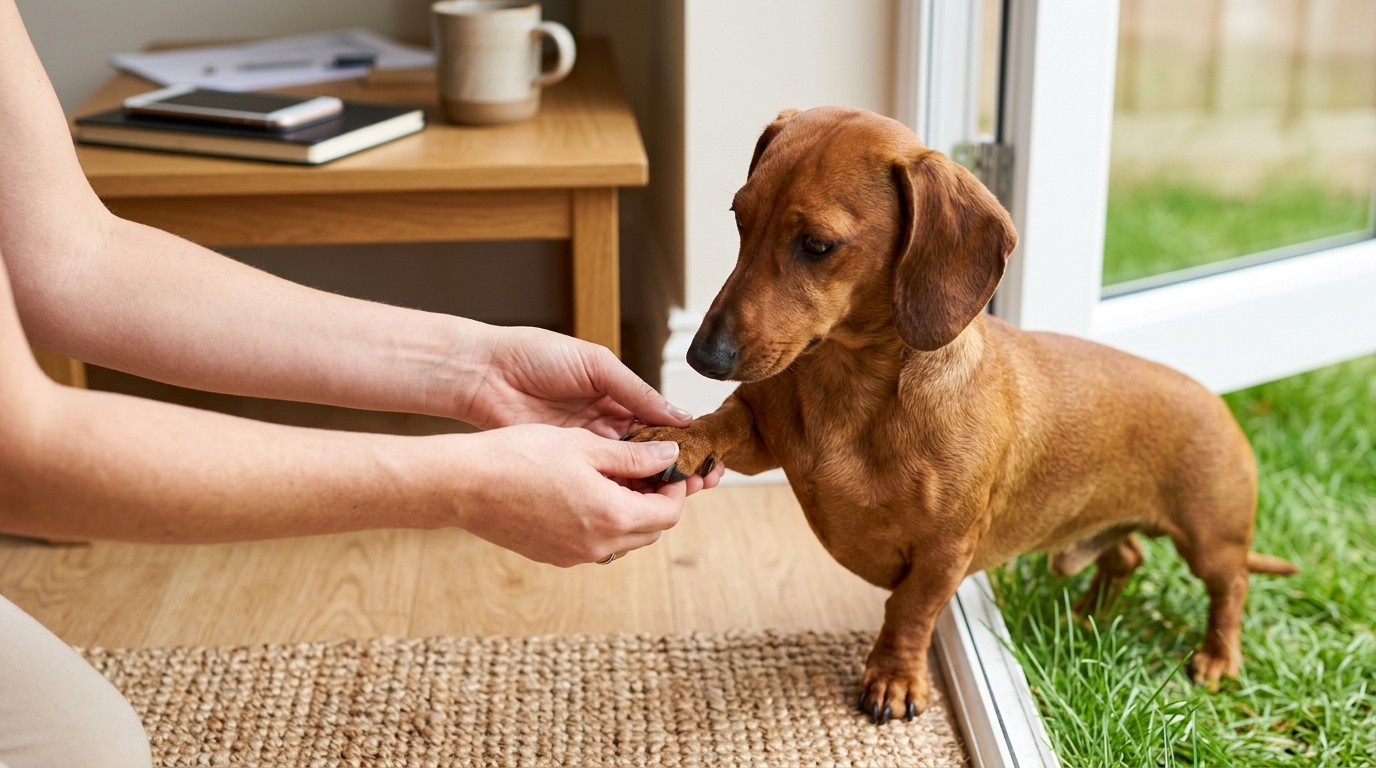
Broken or Bleeding Dog Nail: What to Do and How to Trim Safely
Learn how to stop dog nail bleeding fast, trim nails safely without hitting the quick, and know when a broken nail needs a same-day vet visit.
Signs and Symptoms of Ear Mites in Dogs You Shouldn't Ignore
Learn the early and advanced signs of ear mites in dogs, from head shaking to coffee-ground discharge, and when to get a vet's opinion online.
Can Humans or Cats Catch Ear Mites From Dogs?
Wondering if you or your cat can catch ear mites from your dog? Learn how Otodectes cynotis spreads between pets, the real risk to humans, and how to protect your household.