Table of Contents
Table of Contents
Short Answer
A bleeding dog paw is usually the result of a cut, a torn pad, a broken nail, or irritation from hot pavement, ice, or sharp debris. Most minor bleeding can be managed at home with clean pressure, rinsing, and a light bandage. Deep cuts, embedded objects, bleeding that will not stop after 10 to 15 minutes of steady pressure, or limping that does not improve within a day are reasons to have a veterinarian look at the paw the same day. If you need guidance right away, a licensed veterinarian can review photos and symptoms through a same-day online visit and send a prescription if infection becomes a concern.
This article is medically reviewed by Dr. Janice, DVM, who has 16 years of clinical veterinary experience.
Why Is My Dog's Paw Bleeding? Common Causes Explained
Paw bleeding is one of the most common reasons pet parents reach out for veterinary help at odd hours, and the causes range from trivial to genuinely urgent. The most frequent culprit is a laceration or puncture from something the dog stepped on outdoors, such as glass, a thorn, a splinter, or a jagged piece of metal buried in grass. These wounds can look small on the surface but run deeper than expected, especially on the thin skin between the toes.
Torn or worn paw pads are another leading cause, particularly in dogs who run hard on pavement, gravel, or ice. Hot asphalt in summer can blister and peel the pad surface, while rough or frozen ground in winter causes cracking that eventually splits open and bleeds. Dogs who suddenly increase their activity level, like a weekend hiking trip after a sedentary week, are especially prone to this kind of abrasion.
Nails are a separate issue entirely. A nail that snags on carpet, a fence, or uneven ground can tear partway or split down the quick, which bleeds heavily because the nail bed has a rich blood supply. Overgrown nails are more likely to catch and break this way, which is one reason routine trimming matters. If this sounds like what happened to your dog, what to do about a broken or bleeding dog nail covers nail-specific care in more detail.
Dry, cracked paw pads are common in extreme weather, whether from summer heat pulling moisture out of the skin or winter cold and salt exposure causing fissures. These cracks can look minor at first but reopen with every step, which is why some owners notice a paw that keeps bleeding after otherwise normal walks. If that pattern sounds familiar, why paws sometimes keep bleeding after a walk explains the mechanics behind recurring bleeding tied to activity.
Insect stings and allergic skin reactions can also cause raw, bleeding paws, particularly when a dog licks or chews at an itchy foot until the skin breaks. Chronic allergic dermatitis often shows up first as red, irritated skin between the toes before it progresses to open sores. Interdigital cysts, which are inflamed nodules between the toes, sometimes rupture and bleed as well, and they tend to recur if the underlying skin irritation or infection is not addressed. The Merck Veterinary Manual notes that interdigital furunculosis and cysts are frequently tied to allergies, conformation, or chronic licking rather than a single injury.
Symptoms That Often Come With a Bleeding Paw
Blood on the floor or on bedding is often the first sign an owner notices, but the paw usually shows other clues if you look closely. Recognizing these associated signs helps you judge how serious the injury might be before you even get the foot into good light.
- Limping or refusing to bear weight on the affected leg
- Repeated licking or chewing at one specific foot
- A visible cut, torn pad flap, or object lodged in the skin
- Swelling, redness, or warmth around the wound
- Small blood spots left on floors, furniture, or bedding
Some dogs, especially stoic breeds, hide pain remarkably well and continue walking on an injured paw without an obvious limp. That does not mean the wound is minor, so it is worth checking the paw directly rather than judging severity by gait alone.
First Aid: What to Do the Moment You Notice Blood
Staying calm helps your dog stay calmer too, and a startled dog is harder to examine safely. Work through the paw methodically rather than rushing, since most bleeding paws respond well to basic first aid within the first few minutes.
- Gently but securely hold your dog still, ideally with another person supporting the body while you examine the foot.
- Rinse the area with clean water or sterile saline to flush away dirt, gravel, or grass that could be hiding a deeper injury.
- Apply firm, direct pressure with a clean gauze pad or cloth for several minutes without lifting it to check too soon, since repeated peeking restarts the clotting process.
- Once bleeding slows, carefully inspect between the toes and across the pad surface for glass, splinters, or thorns before covering the wound.
- Wrap the paw loosely with a clean bandage for protection and use a cone collar if your dog keeps trying to lick or chew at it.
- Monitor closely over the next 24 hours for renewed bleeding, increasing swelling, or a limp that gets worse rather than better.
For a more detailed walkthrough with bandaging techniques and what supplies to keep on hand, see step-by-step first aid to stop the bleeding.
When a Bleeding Paw Is a Veterinary Emergency
Most paw bleeding is manageable at home, but certain situations call for same-day professional attention rather than a wait-and-see approach. Recognizing these thresholds early can keep a minor wound from turning into a bigger problem.
- Bleeding that does not slow down after 10 to 15 minutes of steady, firm pressure
- A deep cut, a torn pad flap, or visible exposed tissue
- An embedded object such as glass, wood, or a broken nail fragment that will not come out easily
- Signs of shock, including pale or white gums, weakness, or collapse
- An elderly dog, a very young puppy, or a dog with a known bleeding disorder
If any of these apply, do not wait out the night hoping it improves on its own. A full breakdown of red flags and what qualifies as a true emergency is covered in signs a dog paw injury is a true emergency, which is worth bookmarking before you actually need it.
Expert Insight From a TelaVets Veterinarian
Most of the bleeding paw cases I see over video are manageable once the bleeding is controlled and I can get a clear look at the wound, but I always ask owners to describe the depth and how the dog is bearing weight. A superficial pad scrape and a torn pad flap can look similar to an untrained eye but need very different care, and that distinction is where an actual exam or a good video look matters.
How Vets Diagnose the Cause of a Bleeding Paw
When you bring a bleeding paw to a veterinarian, whether in person or through a video visit, the process usually starts with a hands-on look at the pad surface, the nail beds, and the skin between the toes. A vet checks for the depth of any cut, whether deeper tissue layers are involved, and whether the wound edges look clean or contaminated with debris.
Gait and weight-bearing are assessed next, since how a dog moves on the leg says a lot about pain level and whether deeper structures like tendons or joints might be involved. A dog who touches the paw down gently but bears some weight is often dealing with a more superficial injury than one who holds the leg up entirely.
Palpation, or careful pressing around the wound, helps identify swelling or firmness under the skin that might indicate a retained foreign body, an abscess, or an interdigital cyst that has not fully surfaced. Vets also ask about recent activity, terrain, and any history of skin allergies, since a dog who was just on a rocky trail points toward trauma while a dog with chronic itching points toward allergic skin disease.
In cases where the wound is deep, the object cannot be located visually, or there is concern about bone involvement, an x-ray or brief sedation may be recommended to get a clearer picture. This is more common with punctures than with simple pad abrasions, since punctures can hide material well below the visible entry point.
Home Care and Recovery Timeline
Recovery time depends heavily on how deep the injury is and how well it is protected during healing. Minor pad abrasions and small cuts often show noticeable improvement within a few days of rest and clean bandaging, with the dog walking normally again within a week in many cases.
Deeper pad tears, nail bed injuries, or wounds that needed sutures typically take one to two weeks or longer to fully close and toughen back up, since paw pad tissue is thick and slower to heal than skin elsewhere on the body. Keeping the area dry, clean, and protected on walks, rather than letting the dog run freely through mud or wet grass, speeds this process considerably. For pad-specific healing stages and what a normal recovery looks like day by day, a full recovery timeline for paw pad cuts goes into more detail.
Recovery is not going as planned if you notice increasing swelling rather than a gradual reduction, a foul odor, ongoing discharge, or a limp that persists or worsens after the first few days. These signs point toward infection or a wound that has not been fully cleaned out, and they warrant a recheck rather than more waiting.
Occasionally a dog will lick a bandage so persistently that they swallow bits of gauze or adhesive, which can cause stomach upset. If that happens alongside vomiting or a refusal to eat, it is worth having that checked separately from the paw itself.
Second Expert Insight: Recognizing Infection Risk
Owners sometimes wait a few extra days when a paw wound looks like it is healing fine on the surface, but redness spreading up the leg, a warm or puffy foot, or a sudden change in how much the dog is licking at it are all signs I want to see sooner rather than later. Catching an infection early usually means a simple course of antibiotics does the job, whereas waiting can turn it into something that needs more aggressive treatment.
Preventing Bleeding Paws Before They Happen
A fair number of bleeding paw emergencies are preventable with a few consistent habits. Regular nail trimming keeps nails short enough that they are less likely to snag and split, which is one of the more painful and bloody injuries owners deal with. Checking your dog's paws after walks on gravel, wooded trails, or hot pavement lets you catch small cuts, embedded debris, or blistering before they worsen overnight.
Paw balm can help protect pads from cracking in extreme heat or cold, and protective booties are worth considering for dogs who regularly walk on rough terrain, hot asphalt, or salted winter sidewalks. Managing underlying skin allergies is equally important, since dogs who lick and chew constantly at itchy paws are essentially creating their own wounds over time. If chronic licking or raw skin between the toes sounds like your dog, managing your dog's skin allergies is often the more effective long-term fix rather than repeatedly treating the resulting sores. Some dogs also lick at their paws out of stress rather than itch, and in those cases it is worth asking whether underlying anxiety is playing a role.
Finally, keeping your yard and regular walking routes free of broken glass, sharp debris, and construction scraps removes one of the most common and avoidable causes of paw lacerations. A quick visual sweep of a yard before letting a dog out, especially after yard work or a storm, takes very little time and prevents a lot of trips to the vet. For a broader set of preventive strategies, how to protect your dog's paws from future injuries covers this in more depth.
Related Paw Injuries Every Dog Owner Should Know
Not every bleeding paw is the same kind of injury, even though they can look similar at first glance. Nail bed injuries bleed differently and need different care than a torn pad, since the nail bed has its own blood supply and healing pattern separate from the surrounding skin. Pad cuts from rough or hot surfaces are among the most common paw injuries seen in general practice, and they respond well to the right combination of rest, bandaging, and protection during walks. Many owners search for the exact first aid steps separately from the cause information, which is why TelaVets keeps a dedicated guide walking through each stage of stopping the bleeding and caring for the wound afterward.
It is also worth noting that older dogs sometimes develop a limp that looks paw-related but is actually tied to joint discomfort rather than a wound. If your dog is favoring a leg without any visible cut or bleeding, it is worth ruling out arthritis or joint pain as a separate but related possibility, especially in senior pets.
When to Talk to a Vet Online vs Visit In Person
Online veterinary visits work well for many everyday paw bleeding situations, particularly once the bleeding itself is under control. Questions about proper bandaging, whether a wound looks infected, how to keep a dog from licking a healing paw, or whether a follow-up prescription is needed can usually be handled effectively through a video visit with a licensed veterinarian who can see the wound clearly on camera.
In-person or emergency vet care is still the right call for deep wounds, embedded objects that will not come out, bleeding that will not stop, or any signs of shock. Those situations need hands-on treatment such as suturing, sedation, or surgical exploration that cannot be done remotely.
TelaVets offers same-day $65 video visits with licensed veterinarians in all 50 states, which makes it a practical option for quick guidance once bleeding is controlled, a second opinion on whether a wound needs stitches, or a same-day prescription if infection develops. Appointments run through secure Google Meet video calls, with no memberships or hidden fees, and same-day, night, and weekend slots are available for situations that cannot wait until Monday. If your dog's paw wound seems minor but you want a professional opinion before deciding on next steps, connecting with a licensed veterinarian online is often faster than waiting for an in-person opening.
Frequently Asked Questions
Why is my dog's paw bleeding but they are not limping?
Surface abrasions and minor pad splits can bleed a small amount without causing enough pain to change how a dog walks. Even so, the paw should be checked for embedded debris and kept clean, since a wound that seems mild on the surface can still get worse if it is not looked at properly.
Can I use human first aid supplies on my dog's bleeding paw?
Clean gauze, sterile saline, and non-stick bandages are all safe and useful for a dog's bleeding paw. Avoid hydrogen peroxide, rubbing alcohol, and human antibiotic creams unless a veterinarian specifically recommends them, since these products can irritate healthy tissue and are often unsafe if the dog licks them off.
How long should a dog's paw bleed before I worry?
Bleeding that responds to 10 to 15 minutes of firm, steady pressure is usually manageable at home with continued monitoring. If the bleeding keeps soaking through bandages or has not slowed at all after that window, it is time for same-day veterinary attention rather than waiting longer.
Should I bandage my dog's bleeding paw or let it air out?
A light protective bandage for the first day or so helps keep the wound clean and gives it a chance to start healing without contamination. Once bleeding has fully stopped and the wound looks stable, allowing some air exposure can help, though the right approach depends on how deep the wound is, so checking with a veterinarian is reasonable if you are unsure.
Can allergies cause a dog's paw to bleed?
Yes, chronic licking and chewing driven by allergic itching can break down the skin between the toes and across the pads, eventually leading to raw, bleeding areas. Addressing the underlying allergy, rather than only treating the resulting wound, tends to prevent the cycle from repeating.
Is it safe to let my dog walk on a bleeding paw?
Limiting activity and weight-bearing on the injured paw is the safer choice until bleeding has fully stopped and the wound has been assessed. Continued walking, especially on rough surfaces, can reopen a clot or worsen a pad tear that was starting to close.
Disclaimer: This article is intended for general educational purposes and does not replace a hands-on veterinary examination. If your dog is experiencing heavy bleeding, signs of shock, or a wound that is not improving, seek veterinary care promptly, whether through an in-person clinic, an emergency animal hospital, or a licensed online veterinary visit.
Conclusion
Most cases where a dog's paw is bleeding come down to a manageable cause such as a cut, a torn pad, a broken nail, or irritation from a rough surface, and the majority respond well to clean first aid at home. The key is knowing which signs, like uncontrolled bleeding, an embedded object, or pale gums, mean the situation needs a veterinarian's hands-on attention right away rather than home monitoring. Once bleeding is under control, a same-day online visit with a licensed TelaVets veterinarian can help confirm your dog is on track, answer bandaging questions, or provide a prescription if the wound shows signs of infection, all for a flat $65 with no memberships required.
Sources
Merck Veterinary Manual, Interdigital Cysts and Skin Disorders in Dogs
Related Articles
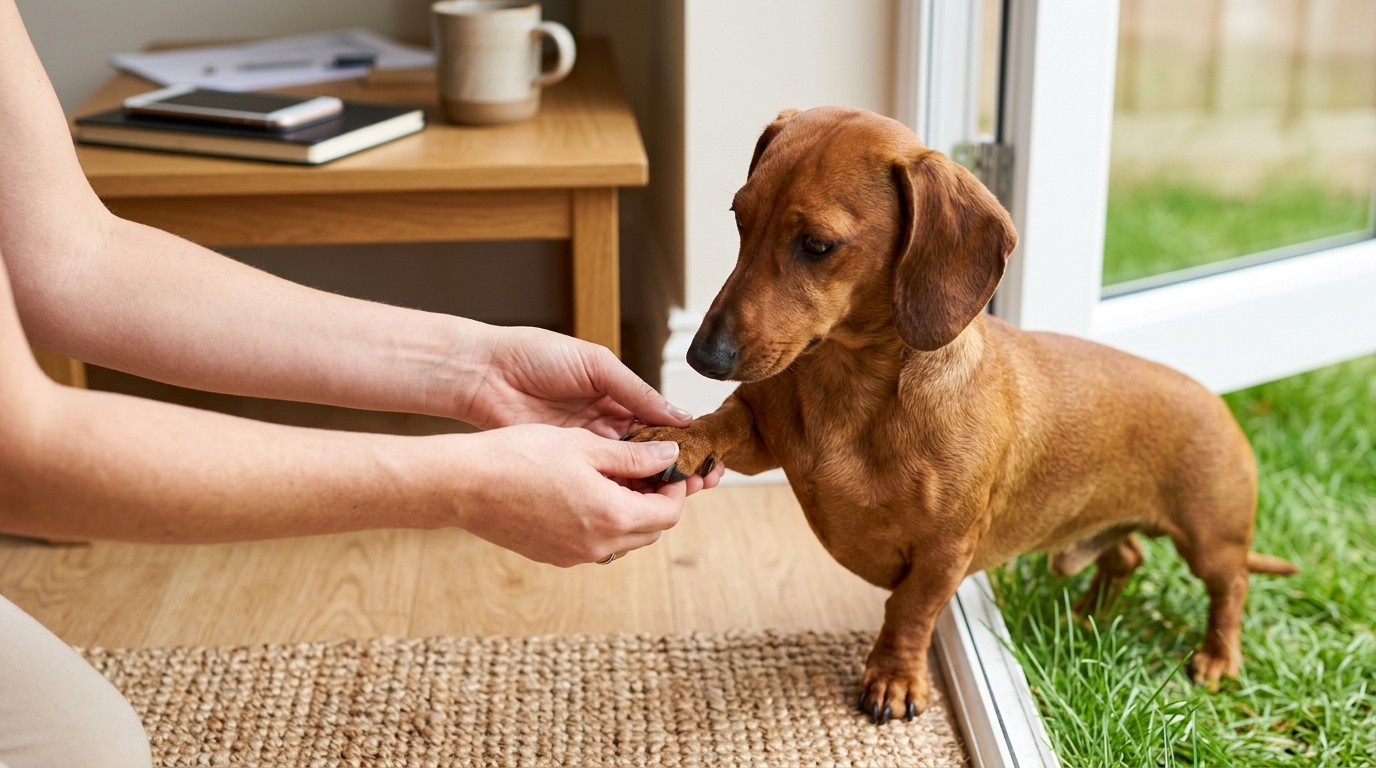
Broken or Bleeding Dog Nail: What to Do and How to Trim Safely
Learn how to stop dog nail bleeding fast, trim nails safely without hitting the quick, and know when a broken nail needs a same-day vet visit.
Signs and Symptoms of Ear Mites in Dogs You Shouldn't Ignore
Learn the early and advanced signs of ear mites in dogs, from head shaking to coffee-ground discharge, and when to get a vet's opinion online.
Can Humans or Cats Catch Ear Mites From Dogs?
Wondering if you or your cat can catch ear mites from your dog? Learn how Otodectes cynotis spreads between pets, the real risk to humans, and how to protect your household.