Table of Contents
Table of Contents
Short Answer
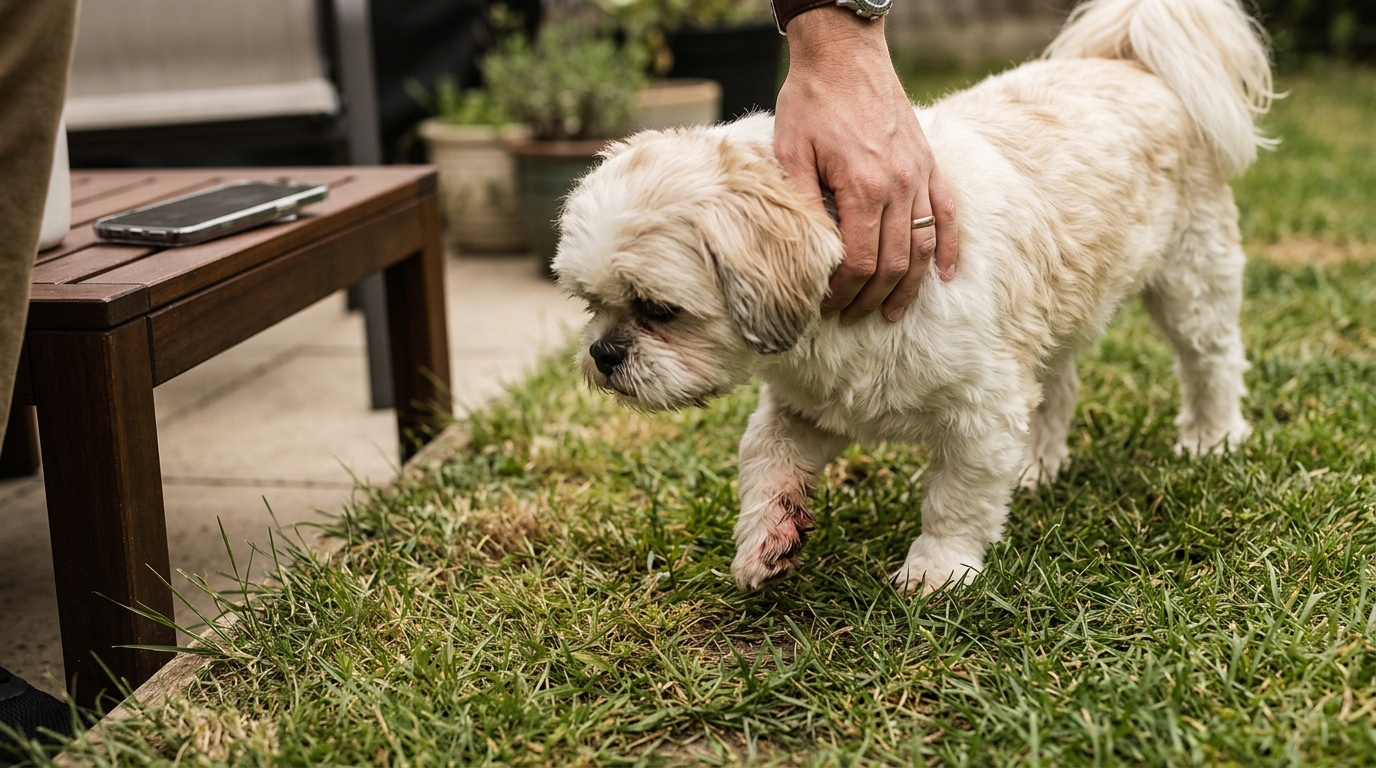
When a dog's paw bleeds after almost every walk or play session, it is usually the same spot reopening rather than a brand new injury. The most common culprits are a pad crack or cut that never fully closed, a worn or split nail catching on impact, or skin that is already thinned from allergy-related licking. Rough terrain, hot pavement, and hard park surfaces make the problem worse because they add friction right where the tissue is trying to heal. One-time bleeding often responds to simple first aid, but bleeding that keeps coming back from the same paw means the tissue is not getting a real chance to recover, and that pattern is worth having a veterinarian look at.
This article was medically reviewed by Dr. Janice, DVM, who has 16 years of clinical veterinary experience.
Why the Same Paw Keeps Reopening After Activity
Paw pads and nails do not heal the way people expect them to. A pad crack or shallow cut needs several days of reduced pressure to close, and every time a dog steps down hard on pavement, gravel, or turf, that partially healed tissue can split right back open. This is different from a single accidental injury, which is covered in more depth in Dog Paws Are Bleeding: Causes, First Aid, and When to See a Vet. Here, the focus is on why one paw seems to bleed over and over.
Once a crack has reopened a few times, the body starts laying down scar tissue at the site. Scar tissue on a paw pad is stiffer and less flexible than normal pad tissue, so it splits again more easily under the same amount of pressure a healthy pad would tolerate without issue. Owners often describe this as "it was fine for a few days and then it happened again," which is a classic sign the wound never fully matured before the dog went back to normal activity.
Nails follow a similar pattern. A nail that is already cracked, split, or simply too long takes a small hit with every step. On soft grass this rarely matters, but on concrete, gravel, or a dog park's hard-packed dirt, that repeated impact can reopen a nail injury again and again. For a deeper look at this specific cause, see broken or bleeding dog nail care and safe trimming.
Terrain and Activity Triggers Owners Often Miss
Surface matters more than most pet parents realize. Hot asphalt in summer, salted sidewalks in winter, loose gravel, and coarse trail rock all wear down pad tissue faster than grass or packed dirt. A dog that walks the same route every day on a rough surface may be accumulating small amounts of damage that never fully resolves, even if no single walk looks like the obvious cause.
Dog parks add another layer. Many have sections of concrete, artificial turf, or compacted clay that create far more friction than natural grass. A dog sprinting, pivoting, and skidding to a stop on those surfaces puts repeated shear force on the same pads and nails, which is often why bleeding shows up specifically after park visits rather than quiet neighborhood walks.
A sudden jump in exercise intensity or distance can also play a role. Dogs that go from occasional short walks to daily runs, hikes, or long fetch sessions have not had time to build up tougher, more conditioned pad tissue. The skin has not caught up to the new activity level yet, and the same tender spot keeps taking the brunt of it.
When Allergies or Skin Irritation Are the Real Cause
Not every recurring paw bleed starts with an injury. Dogs with environmental or food allergies frequently lick, chew, and bite at their paws, especially between the toes. Over time, that constant licking breaks down the skin barrier, leaving it thin, red, and more prone to splitting once the dog is back on its feet and active.
In these cases, the bleeding is often a symptom of an underlying skin issue rather than a standalone injury. Owners may notice the paw looks pink or irritated even before a walk, with saliva staining on the fur, and the bleeding shows up after activity simply because that thinned skin cannot hold up to normal friction anymore. If itching and paw licking are ongoing, it is worth exploring the connection with a vet through TelaVets' allergy treatment options, since managing the underlying allergy is often what actually stops the paw bleeding cycle.
Signs the Bleeding Is More Than Surface-Level
Most recurring pad or nail bleeding is manageable with rest and basic care, but certain signs suggest the situation has moved past simple first aid. It helps to know what those look like before deciding whether to wait it out again.
- Bleeding that soaks through a bandage quickly or has not slowed after about ten minutes of firm, direct pressure
- Visible swelling, heat, or a foul odor coming from the paw
- Limping between walks, not just during them, or reluctance to bear weight at all
- Bleeding paired with vomiting, lethargy, or a dog that suddenly will not walk on the leg
If any of these show up, this is not a wait and see situation anymore. A full breakdown of urgent warning signs is available in bleeding paw emergency signs that mean a vet visit is urgent. A dog showing vomiting alongside a paw injury may also warrant a broader check, and TelaVets' vomiting resources can help you decide how urgent that combination is.
What Pet Parents Can Do Between Walks to Break the Cycle
Breaking a recurring bleeding pattern usually comes down to giving the tissue an actual chance to heal rather than repeatedly reopening it. This does not need to be complicated, but it does need to be consistent.
- Rest the paw off pavement, gravel, and rough terrain until any visible crack or cut has fully closed, not just stopped bleeding for a day
- Keep the area clean and dry between walks, and consider a breathable protective bootie for high-friction surfaces once activity resumes
- Trim nails on a regular schedule so length is not adding extra catching or splitting risk with every step
- Monitor the spot daily for redness, swelling, or reopening before assuming it is fully healed
- Resume normal walking distance and terrain gradually, rather than jumping straight back to the same routine that caused the problem
For more detail on trimming, wound cleaning, or bootie fit, best ways to protect your dog's paws from cuts and injuries covers longer-term prevention strategies.
Expert Insight on Recurring Paw Bleeding
Most of the recurring paw bleeds I see are not new injuries at all. They are the same crack or split nail getting reopened because the dog went right back to full walks or park time before the tissue had a real chance to close. Giving it even a few extra rest days on soft ground makes a bigger difference than most owners expect.
When It Is Time to Get a Vet Involved Instead of Waiting It Out
If the same spot has bled more than once or twice despite rest and basic cleaning, repeating the same first aid at home is unlikely to solve the underlying problem. A veterinarian can tell the difference between a simple pad crack that needs more time, a wound that has become infected, or a skin condition like allergy-driven dermatitis that will keep causing bleeding until it is treated directly.
A TelaVets video visit lets you show the paw on camera, describe when the bleeding happens, and get a licensed veterinarian's opinion on whether the pattern points to healing time, terrain, infection, or an allergy issue. Visits are a flat $65 with no membership required, available in all 50 states, and same-day appointments are often available when a paw problem is not improving on its own. If bandaging or an in-person exam is needed, the vet can guide you on the right next step rather than guessing at home. You can book directly through TelaVets online booking.
Second Expert Insight: Preventing the Next Flare-Up
I always tell owners to condition their dog's paws the same way you would condition a runner's feet, gradually and with attention to surface. If a dog is licking at the same paw between walks or seems stiffer getting up afterward, that is worth mentioning too, since discomfort from something like joint pain can change how a dog places weight and puts more stress on one paw.
Owners noticing stiffness alongside paw issues, especially in older dogs, may find it useful to review TelaVets' arthritis and joint care resources, since altered gait from joint discomfort can put uneven pressure on paws over time.
How This Differs From a One-Time Paw Injury
A single cut from glass, a thorn, or a sharp stick underfoot is a first aid situation. Clean it, control the bleeding, and it typically heals on its own timeline without repeating itself once closed. Recurring bleeding is a different pattern altogether. It points to something ongoing, whether that is insufficient healing time between walks, consistently rough terrain, or an underlying skin condition that keeps breaking down the same tissue.
Recognizing which situation you are dealing with matters, because the fix is different. For the full range of causes, immediate first aid steps, and general vet triage guidance, the pillar article Dog Paws Are Bleeding: Causes, First Aid, and When to See a Vet is the best starting point. If your dog is actively bleeding right now, how to stop a dog's paw from bleeding with step-by-step first aid walks through the immediate steps, and if the wound looks like a defined cut on the pad itself, dog paw pad cut symptoms and recovery timeline covers what a typical healing timeline looks like.
Frequently Asked Questions
Why does my dog's paw bleed every time we go for a walk?
Usually the same crack or cut is reopening because it has not had time to fully close between walks, often made worse by hard or hot surfaces. If it keeps happening despite rest, a vet check is a reasonable next step to rule out infection or an underlying skin issue.
Is it normal for a dog's paw pad to crack and bleed a little after playing?
Occasional light surface cracking can happen after rough play on hard terrain, and pads generally heal within a few days. Bleeding that keeps recurring from the same spot is not typical and deserves a closer look.
Should I stop walking my dog if their paw keeps bleeding?
Short-term rest from pavement and rough surfaces is usually recommended while the wound closes fully. Light leashed walks on grass may be fine once bleeding has stopped, but if it reopens again, that is a sign more time or a vet exam is needed.
Can allergies cause a dog's paw to bleed after walks?
Yes. Allergy-driven licking and chewing can thin and irritate the skin between the toes and on the pads, making that area more likely to split open once the dog is active again.
When should I take my dog to the vet for a bleeding paw?
If bleeding recurs from the same spot more than once or twice, does not slow with steady pressure, shows swelling or an odor, or the dog is limping between walks, it is time for a veterinary exam rather than repeating home first aid.
This article is for general informational purposes and is not a substitute for an individual veterinary exam. If your dog's paw shows signs of a serious injury, uncontrolled bleeding, or any emergency red flags, seek in-person veterinary care right away. For non-emergency questions and guidance, you can book a same-day video visit through TelaVets.
Related Articles
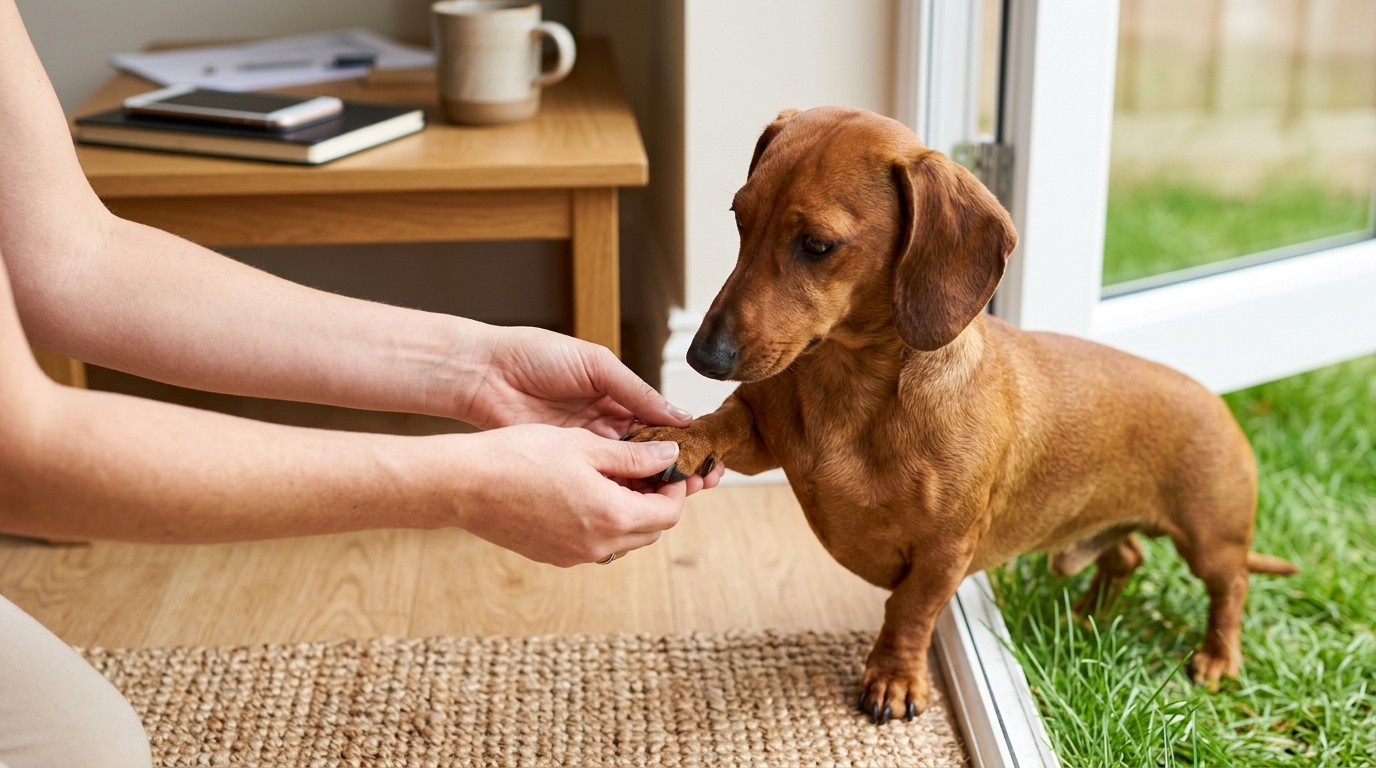
Broken or Bleeding Dog Nail: What to Do and How to Trim Safely
Learn how to stop dog nail bleeding fast, trim nails safely without hitting the quick, and know when a broken nail needs a same-day vet visit.
Signs and Symptoms of Ear Mites in Dogs You Shouldn't Ignore
Learn the early and advanced signs of ear mites in dogs, from head shaking to coffee-ground discharge, and when to get a vet's opinion online.
Can Humans or Cats Catch Ear Mites From Dogs?
Wondering if you or your cat can catch ear mites from your dog? Learn how Otodectes cynotis spreads between pets, the real risk to humans, and how to protect your household.