Table of Contents
Table of Contents
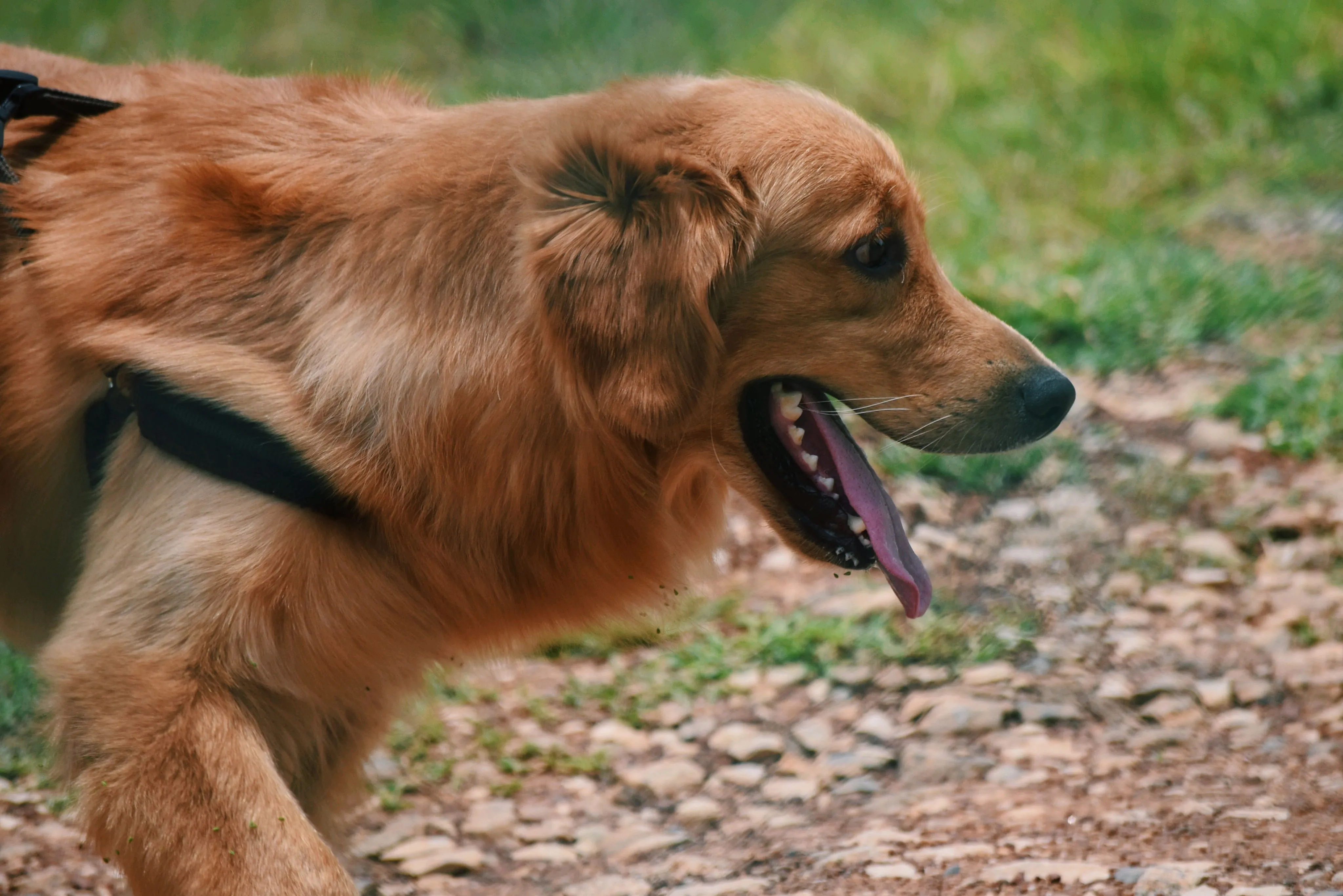
If your senior dog seems to be panting more than they used to, you are not imagining it. Aging changes how a dog's body regulates temperature, moves, and copes with discomfort, and panting is often one of the first visible signs that something has shifted. Some of this increase is a normal part of getting older, but excessive panting in older dogs can also point to heart disease, hormonal changes, chronic pain, or cognitive decline. This article walks through the common causes, the warning signs that need same-day attention, and practical ways to support a senior dog who pants more than they used to. For a broader look at what counts as typical panting behavior at any age, our pillar guide on normal versus excessive panting in dogs is a useful starting point before you dig into the age-specific detail below.
Why Panting Changes as Dogs Get Older
Panting is a dog's main cooling tool, and it depends on efficient airflow, healthy lungs, and a heart that can keep up with demand. As dogs age, several of these systems become a little less efficient. Muscle tone in the airway can loosen, extra weight can accumulate around the chest and abdomen, and general fitness often declines. None of this automatically means something is wrong, but it does mean an older dog may pant sooner and longer than they did as a younger, leaner animal doing the same activity.
The challenge for pet parents is telling the difference between this gradual, age-related shift and a genuine medical problem. A senior dog who pants a bit more on a warm afternoon walk is usually fine. A senior dog who pants heavily at rest, pants with no obvious trigger, or seems distressed while panting deserves a closer look. The rest of this article breaks down the specific causes worth knowing about, along with the signs that mean it is time to stop guessing and get a professional opinion.
How Panting Normally Works in Dogs
Dogs do not cool themselves primarily through sweating the way people do. Instead, they rely on rapid, shallow breathing through an open mouth to move air across the moist surfaces of the tongue, mouth, and upper airway, which releases heat through evaporation. This is why panting increases with exercise, heat, excitement, or stress, and why it usually settles once the dog rests, cools off, or calms down. For a deeper look at the mechanics behind this cooling process, PetMD has a helpful overview of why dogs pant.
In a healthy young dog, panting is efficient and short-lived. In an older dog, the same trigger can produce a longer or more labored panting episode simply because the underlying systems are working harder to accomplish the same job. That baseline shift is worth keeping in mind before assuming every change in panting signals disease, though it should never be used to dismiss a pattern that genuinely looks different from your dog's normal behavior.
Common Medical Causes of Excessive Panting in Senior Dogs
Several conditions that become more likely with age can present with panting as an early or ongoing symptom. Heart disease is one of the most significant. As the heart's pumping efficiency declines, less oxygen-rich blood reaches the tissues, and the body compensates with a faster breathing rate. This kind of panting often shows up alongside exercise intolerance, a persistent cough, or restlessness at night.
Respiratory conditions such as laryngeal paralysis and tracheal collapse are also more common in older dogs, particularly in certain breeds. These conditions narrow or destabilize the airway, making normal air movement harder and panting more frequent, sometimes with a raspy or honking sound. Cushing's disease, a hormonal condition caused by excess cortisol production, is another well-known cause of panting in older dogs and often comes with increased thirst, urination, appetite changes, and a pot-bellied appearance.
Arthritis and chronic joint pain can drive up respiratory rate even without an obvious respiratory cause, since discomfort itself increases stress and effort. Obesity compounds several of these issues at once, adding extra insulation that makes cooling less efficient while placing more strain on the heart, lungs, and joints. If your dog has any combination of joint stiffness, weight gain, or reduced stamina alongside more frequent panting, mentioning all of it during a vet visit helps paint a fuller picture instead of treating panting as an isolated symptom.
Cognitive and Behavioral Reasons Older Dogs Pant More
Not every case of increased panting in a senior dog traces back to a physical illness. Canine cognitive dysfunction, sometimes described as a dog version of dementia, can cause restlessness, disorientation, and disrupted sleep, all of which frequently show up as panting, especially after dark. Anxiety can also increase with age, whether from vision or hearing loss, changes in routine, or simply feeling less steady and secure than before.
This pattern of panting alongside pacing, difficulty settling, or general unease is common enough that we cover it in more detail in our article on panting at night. If anxiety seems to be a meaningful part of what your senior dog is experiencing, our dog anxiety help page outlines how a veterinarian can assess and manage it, sometimes alongside physical causes rather than instead of them.
Medication Side Effects Worth Ruling Out
Senior dogs are more likely to be on daily medications, and some of the most commonly prescribed ones can independently cause panting. Corticosteroids, used for allergies, inflammation, or immune conditions, are well known for increasing thirst, appetite, and respiratory rate as a side effect. Certain pain medications and other long-term prescriptions can have a similar effect in some dogs. If allergies are the reason your dog is on steroids in the first place, our dog allergy care page explains how that condition is typically managed.
Before assuming a new panting pattern means a new disease has developed, it is worth reviewing your dog's current medication list with a veterinarian. Bringing that list, along with dosing details and how long your dog has been on each medication, to an appointment can save time and help separate a manageable side effect from a condition that needs its own workup.
Red Flags That Mean Panting Needs Same-Day Attention
Most panting in senior dogs is not an emergency, but certain signs mean you should not wait for a routine appointment. These situations call for immediate in-person veterinary care rather than a scheduled or virtual visit.
- Bluish, gray, or pale gums, collapse, or extreme visible distress while breathing
- Panting paired with an inability to settle, along with whining, pacing, or a hunched posture
- Suspected heatstroke, or sudden heavy panting after very little activity or heat exposure
If you notice panting alongside shaking, that combination has its own set of possible explanations worth reviewing in our article on panting paired with shaking. A dog who is panting and refusing food is another pattern that deserves prompt attention, covered in detail in our piece on panting and not eating.
What a Vet Visit Can Help Determine
A virtual veterinary appointment is a reasonable first step for many non-emergency panting concerns in senior dogs. During a video visit, a licensed veterinarian can review your dog's history, current medications, recent activity level, and any visible symptoms, then help you understand what is likely happening and what to do next. This can include a same-day prescription when a condition such as anxiety, pain, or a known flare-up is appropriate to treat without an in-person exam first.
That said, some causes of excessive panting in older dogs, particularly heart disease, Cushing's disease, and airway conditions like tracheal collapse, ultimately require hands-on diagnostics such as chest X-rays, bloodwork, or a physical exam to confirm. A telehealth visit can guide you toward the right next step, including whether an in-person specialist or diagnostic workup is needed, rather than replacing that care entirely.
Practical Home Comfort Tips for Panting Senior Dogs
While you work through the diagnostic picture, a few home adjustments can make a real difference in your dog's comfort. Keeping the house cool, providing easy access to fresh water in multiple rooms, and avoiding unnecessary heat exposure during peak afternoon hours all support your dog's natural cooling efforts. If arthritis or joint pain seems to be part of the picture, supportive bedding and reduced use of stairs can lower the physical strain that contributes to labored breathing.
It also helps to track panting episodes for a week or two before your appointment. Note the time of day, what your dog was doing beforehand, how long the episode lasted, and any other symptoms you noticed, such as coughing, limping, or appetite changes. This kind of record gives a veterinarian much more to work with than a general description of "panting more than usual," and it often speeds up the process of narrowing down a cause. It also helps to know how panting after normal activity should look in a healthy dog; our article on panting heavily after exercise covers that baseline for comparison. If your senior dog is a flat-faced breed such as a Bulldog, Pug, or Boxer, airway anatomy adds another layer worth understanding, which we cover in our guide to brachycephalic breeds and panting.
When to Book a Virtual Vet Visit for Your Senior Dog
If your dog's panting is new, more frequent, or paired with other subtle changes but does not involve the emergency signs listed above, booking a virtual visit is a practical way to get expert input quickly. TelaVets offers video appointments with licensed veterinarians for a flat $65 per visit, with no memberships or hidden fees, and same-day, evening, and weekend availability across all 50 states. You can book a virtual vet visit here if you would like a veterinarian's opinion on your dog's panting before it becomes a bigger concern. A veterinarian can help you understand whether your dog's panting fits a normal aging pattern or points toward something that needs further workup, and can provide a same-day prescription when that is medically appropriate.
If your dog shows any of the emergency red flags described earlier, please seek in-person emergency veterinary care right away rather than starting with a virtual visit.
Frequently Asked Questions
Is it normal for older dogs to pant more than they used to?
Some increase is expected as cooling efficiency, joint comfort, and fitness change with age. However, a clear jump in how often or how heavily your dog pants is not something to dismiss as "just getting old." It is worth a vet visit to confirm there is not an underlying cause driving the change.
What does it mean if my senior dog is panting and cannot settle down at night?
This combination is often linked to pain, canine cognitive dysfunction, or anxiety, all of which become more common in older dogs. We cover this pattern in more depth in our article on panting at night. If this is a new or worsening pattern, a vet visit is a reasonable next step.
Can heart or lung disease cause heavy panting in older dogs?
Yes. Cardiac and respiratory conditions become more common with age and can cause persistent or labored panting, sometimes along with coughing, reduced stamina, or exercise intolerance. These conditions generally need prompt veterinary evaluation and diagnostic testing.
When should I take my senior dog to the emergency vet for panting?
Seek immediate in-person emergency care if your dog has blue or pale gums, collapses, seems extremely distressed, cannot catch their breath, or shows signs of heatstroke. These situations need hands-on emergency evaluation rather than a scheduled or virtual visit.
Can a virtual vet visit help figure out why my older dog is panting so much?
A telehealth exam can review your dog's history, current medications, and visible symptoms to help guide next steps and provide a prescription when appropriate. Some causes, such as heart disease or Cushing's disease, still require in-person diagnostics like bloodwork or X-rays to confirm.
This article is for general educational purposes and is not a substitute for an individualized veterinary exam. This content was reviewed for accuracy by Dr. Covadonga, DVM, who has 20 years of clinical veterinary experience.
Sources: PetMD, Why Do Dogs Pant? What To Know About Dogs and Panting.
Related Articles
Broken or Bleeding Dog Nail: What to Do and How to Trim Safely
Learn how to stop dog nail bleeding fast, trim nails safely without hitting the quick, and know when a broken nail needs a same-day vet visit.
Signs and Symptoms of Ear Mites in Dogs You Shouldn't Ignore
Learn the early and advanced signs of ear mites in dogs, from head shaking to coffee-ground discharge, and when to get a vet's opinion online.
Can Humans or Cats Catch Ear Mites From Dogs?
Wondering if you or your cat can catch ear mites from your dog? Learn how Otodectes cynotis spreads between pets, the real risk to humans, and how to protect your household.