Table of Contents
Table of Contents
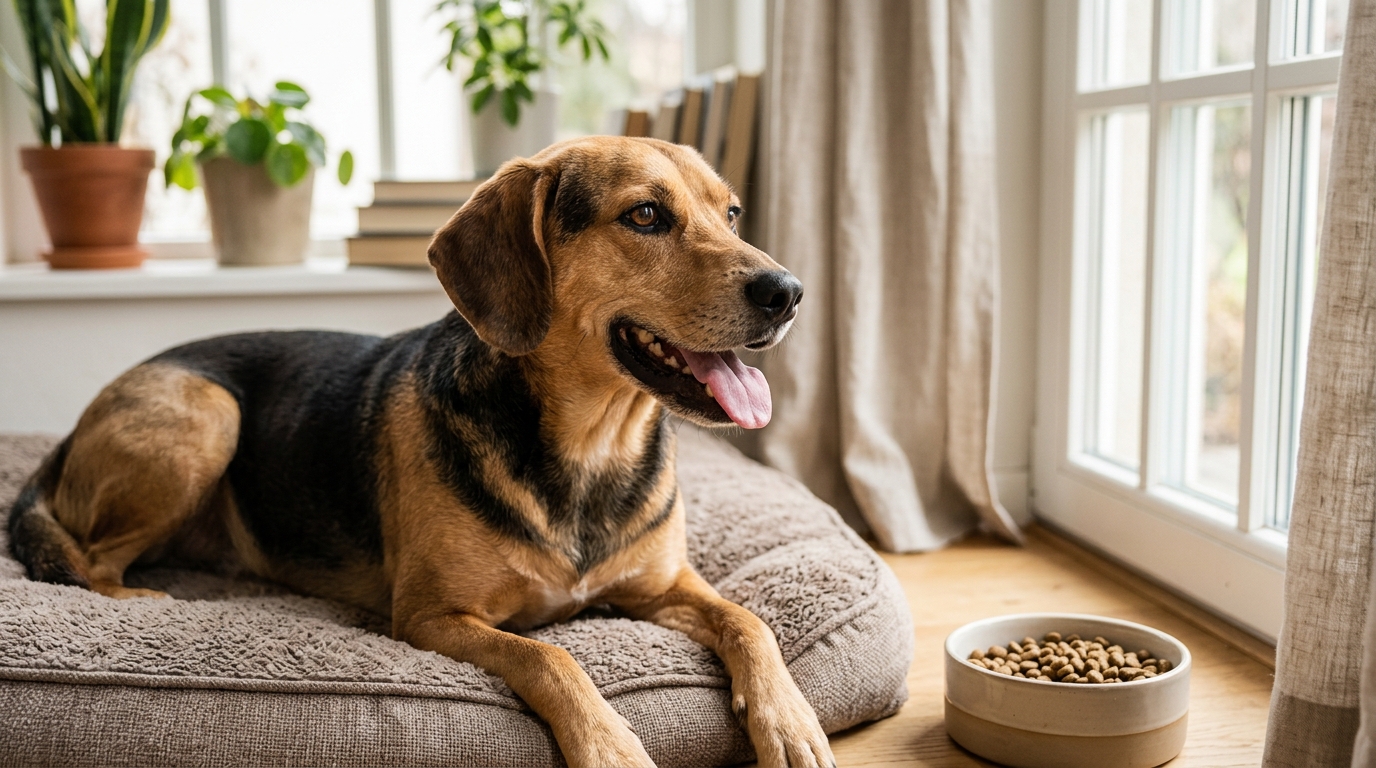
A dog that is panting heavily while also turning away from food gets a pet parent's attention fast, and for good reason. Panting on its own is often normal, especially after a walk or on a warm afternoon. But when a dog is panting and not eating at the same time, the picture changes. This pairing can point to pain, nausea, stress, or an underlying illness, and figuring out which one is at play depends on how the symptoms started, how long they have lasted, and what else is going on.
Some dogs skip a meal here and there without any real problem. Others pant a little more on hot days and still eat normally. The concern grows when both signs show up together, especially if the panting seems out of place for the situation or the dog has gone a full day without eating. This article walks through why vets take this combination seriously, what usually causes it, and how to tell the difference between a wait-and-watch situation and one that needs care right away.
Why This Symptom Combination Gets a Vet's Attention
Panting is not only a cooling mechanism. Dogs also pant in response to stress, discomfort, and pain. A dog with a sore abdomen, an aching joint, or a wave of nausea may start panting even in a cool room with no exertion involved. That is why vets do not automatically assume heat or exercise when a dog is panting for no obvious reason. For a broader look at what counts as normal dog panting versus something worth watching, it helps to understand the baseline first.
Appetite loss carries similar weight. Most healthy dogs are reliably food motivated, so a sudden disinterest in meals is one of the more sensitive general signs that something in the body is off, even before other symptoms appear. When panting and appetite loss show up together, it often suggests the body is responding to something internal, whether that is pain, nausea, infection, or emotional stress, rather than simple exertion or a picky mood. Neither symptom alone always means an emergency, but together they raise the likelihood that a closer look is warranted. For a broader foundation on breathing patterns in general, the complete guide to normal versus excessive dog panting is a good starting point.
Common Causes Behind Panting With Reduced Appetite
There is a fairly wide range of possible explanations, and severity varies quite a bit depending on the cause. Pain is one of the more common threads. Injuries, arthritis and joint pain in dogs, or abdominal discomfort can all cause a dog to pant while also losing interest in food, since eating and moving around both become less appealing when something hurts.
Nausea and gastrointestinal upset are another frequent cause. Dogs that feel queasy, whether from dietary indiscretion, mild gastritis, or early bloat, often pant while refusing meals entirely. Vomiting in dogs frequently accompanies this pattern, though not always, and the absence of vomiting does not rule out nausea as a factor.
Stress and anxiety deserve mention too. A move, a boarding stay, a new pet in the house, or even a thunderstorm can push a dog's respiratory rate up while temporarily shutting down appetite. Fever and infection work in a similar way, since the body directs energy toward fighting illness rather than digestion, and panting can increase as part of that response. Heatstroke or general overheating is another possibility, particularly in warm months, where heavy panting is paired with a dog that feels too uncomfortable to eat.
Some causes are more specific to certain dogs. Older dogs may show this combination due to heart disease, respiratory changes, or hormonal conditions such as Cushing's disease, all of which can independently affect both breathing and appetite. In some cases, chronic skin or ear discomfort from dog allergies can also contribute to general discomfort that lowers appetite and raises stress-related panting.
- Pain from injury, arthritis, or abdominal discomfort
- Nausea, gastrointestinal upset, or early bloat
- Situational stress or anxiety
- Fever or infection
- Heatstroke or overheating
- Heart disease, respiratory disease, or Cushing's disease in older dogs
Red Flags That Mean This Is an Emergency
Certain signs mean this is not a situation to monitor at home. Pale, white, or blue-tinted gums, collapse, or extreme lethargy alongside panting and appetite loss point to a possible circulatory or respiratory emergency. A distended or bloated-looking abdomen, especially paired with unproductive retching where nothing comes up, can signal GDV, commonly known as bloat, which is a life-threatening condition that progresses quickly and often needs immediate surgery. Repeated vomiting or diarrhea combined with a full day or more of not eating, suspected exposure to a toxin, a high fever, or visible difficulty breathing all fall into the same category.
- Pale, white, or blue gums, collapse, or extreme lethargy
- A bloated or distended belly with unproductive retching
- Repeated vomiting or diarrhea with more than a day of not eating
- Suspected toxin ingestion, high fever, or trouble breathing
If any of these are present, the right move is immediate in-person emergency veterinary care rather than a scheduled appointment or a wait-and-see approach at home.
When It's Likely Less Urgent, But Still Worth a Vet Visit
Not every case is an emergency. A mild dip in appetite after a stressful event, like a car ride, a boarding stay, or a new animal joining the household, is common and often resolves within a day as the dog settles back into routine. A slight increase in panting during warm weather, paired with normal energy, normal water intake, and no other symptoms, is usually less concerning than sudden panting with no clear trigger.
As a general rule, symptoms that last less than 24 hours without any red-flag signs tend to fall into this milder category. That said, even mild-looking cases deserve a vet check if the appetite loss continues past a day, since dogs are known for masking discomfort fairly well until a problem has progressed. A brief virtual consultation can help sort out whether the situation is truly mild or whether it needs a closer look sooner rather than later.
How Age and Breed Can Change What This Symptom Combo Means
Age and breed both shape how this combination should be interpreted. Senior dogs are statistically more likely to be dealing with arthritis, heart disease, or organ changes that can independently cause both panting and appetite changes, which is why the same symptoms in an older dog often warrant a bit more caution than in a younger, otherwise healthy one. The article on excessive panting in older dogs goes deeper into age-related causes and care tips.
Brachycephalic breeds, including bulldogs, pugs, and similar flat-faced dogs, pant more easily due to their airway structure, and appetite changes can appear sooner once airway stress builds, since breathing effort and eating both draw on the same limited airway space. The guide on panting in brachycephalic breeds covers this in more detail. Puppies that pant heavily and refuse food also deserve prompt attention, since they have less physical reserve than adult dogs and can decline more quickly if an underlying problem goes unaddressed.
What a Vet Visit for This Symptom Combination Usually Involves
During a visit, a vet will typically ask about when the symptoms started, whether there have been any recent diet changes, what the dog's activity has looked like, and whether other symptoms such as vomiting, diarrhea, or lethargy are present. Physical findings matter too. Gum color, signs of abdominal pain, joint stiffness, and overall body condition all help guide what happens next, whether that means bloodwork, imaging, or simple supportive care at home.
A virtual visit with a licensed veterinarian can be a useful first step in figuring out whether home monitoring is reasonable or whether in-person, hands-on care is needed right away. TelaVets offers same-day virtual appointments for a flat $65 with a licensed veterinarian across all 50 states, connecting pet parents through a secure Google Meet video call. This kind of visit will not replace emergency care when red flags are present, but for ambiguous or milder cases, it can help pet parents get guidance quickly and decide on reasonable next steps without unnecessary delay or expense.
Practical Steps While You Decide What to Do
While you are figuring out how urgent the situation is, there are a few reasonable steps that can help without doing any harm. Offering fresh water and moving the dog to a quiet, cool space can rule out simple overheating or acute stress as contributing factors. It helps to note the timing of the last meal, the last normal bowel movement, and whether any vomiting has occurred, since a vet will likely ask about this timeline.
- Offer fresh water and a cool, quiet resting area
- Note the timing of the last meal, last normal stool, and any vomiting
- Avoid forcing food or offering human medications without veterinary guidance
- Keep the dog calm and limit strenuous activity until symptoms are assessed
Avoid forcing food, since this can worsen nausea or trigger vomiting in some cases, and never give human medications without direction from a veterinarian, as many common over-the-counter drugs are unsafe for dogs. Keeping the dog calm and limiting strenuous activity in the meantime is generally the safest approach until symptoms have been properly assessed. If you are unsure whether the situation warrants a same-day look, you can book a virtual vet visit and get a licensed veterinarian's read on the situation before deciding.
Related Reading on Dog Panting
Panting shows up in a lot of different contexts, and understanding the full picture can help you spot patterns faster next time. The pillar guide on Dog Panting: Normal vs. Excessive and When to Call a Vet is a good place to review the basics. If your dog's panting shows up specifically at night, why some dogs pant more at night covers common overnight triggers. For panting tied to activity, the guide on panting heavily after exercise can help you tell normal exertion from something that needs attention. When shaking is also part of the picture, the article on panting combined with shaking walks through what that pairing can mean.
Frequently Asked Questions
Why is my dog panting heavily and refusing to eat?
This combination usually reflects pain, nausea, stress, or an underlying illness rather than a single obvious cause. How long the symptoms last and what else is going on, such as vomiting, lethargy, or a bloated abdomen, generally determines how urgent the situation is.
Is it an emergency if my dog is panting and not eating?
It can be, particularly if you notice pale or blue-tinted gums, a distended belly, collapse, or repeated vomiting. Those signs call for immediate in-person emergency veterinary care rather than waiting to see how things develop.
Can stress or anxiety cause a dog to pant and skip meals?
Yes. Situational stress from travel, loud noises, boarding, or a new pet in the household can temporarily cause both increased panting and reduced appetite. These cases usually resolve within a day as the dog settles back into a normal routine.
How long can a dog go without eating before I should worry?
Skipping a single meal is often not urgent on its own. Going more than 24 hours without eating, especially alongside panting, lethargy, or other symptoms, is generally a reasonable point at which to have a vet take a look.
Should I take my dog to the ER or book a virtual vet visit first?
Severe red-flag symptoms, such as pale gums, a bloated abdomen, or collapse, need emergency in-person care right away. For milder or unclear cases, starting with a virtual vet visit can help you get guidance quickly and decide whether in-person care is the right next step.
This article is intended for general educational purposes and is not a substitute for a hands-on veterinary examination. If your dog is showing any emergency red-flag signs described above, seek in-person veterinary care right away. This content was reviewed for accuracy by Dr. Amber, DVM, who has 16 years of clinical veterinary experience.
Sources: PetMD, Why Do Dogs Pant? What To Know About Dogs and Panting
Related Articles
Broken or Bleeding Dog Nail: What to Do and How to Trim Safely
Learn how to stop dog nail bleeding fast, trim nails safely without hitting the quick, and know when a broken nail needs a same-day vet visit.
Signs and Symptoms of Ear Mites in Dogs You Shouldn't Ignore
Learn the early and advanced signs of ear mites in dogs, from head shaking to coffee-ground discharge, and when to get a vet's opinion online.
Can Humans or Cats Catch Ear Mites From Dogs?
Wondering if you or your cat can catch ear mites from your dog? Learn how Otodectes cynotis spreads between pets, the real risk to humans, and how to protect your household.