Table of Contents
Table of Contents
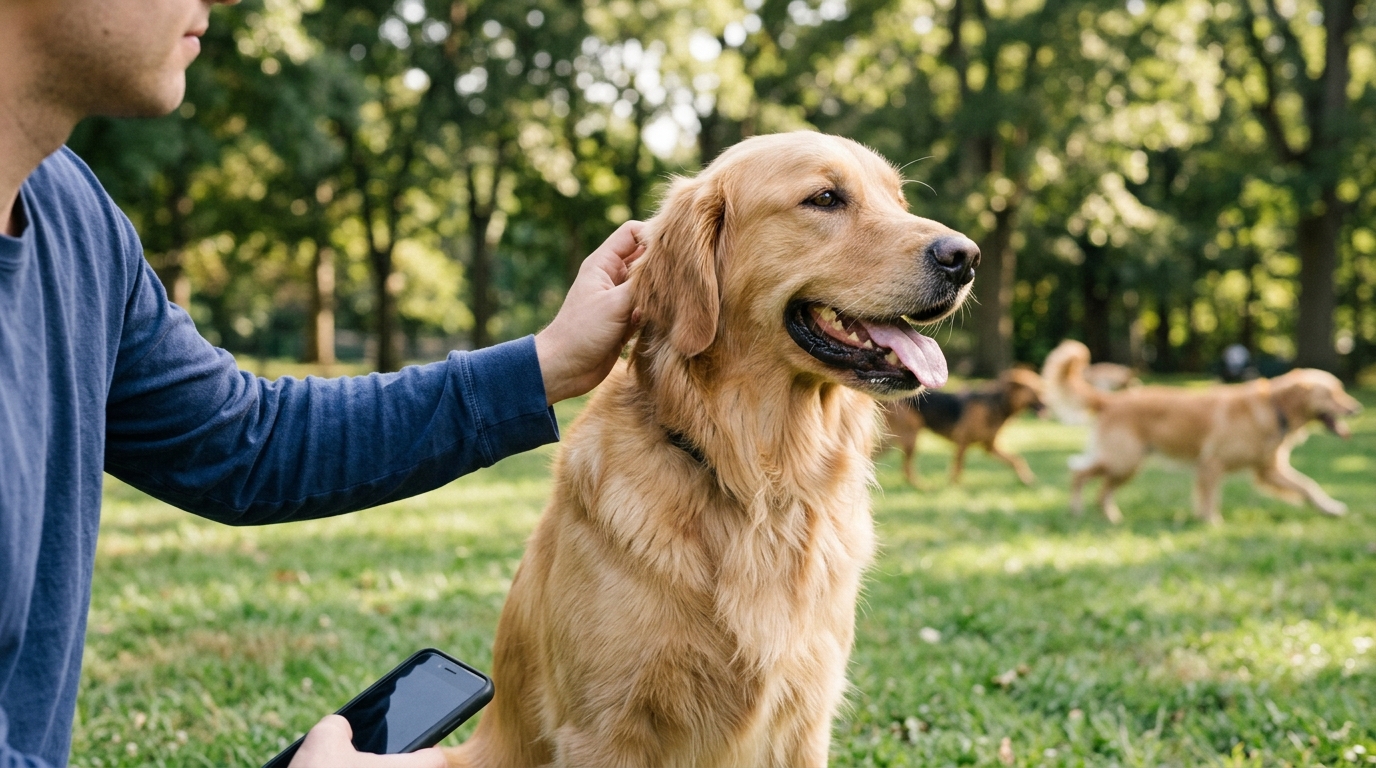
A dog panting and shaking at the same time catches a pet parent's attention fast, even when each symptom on its own might be nothing to worry about. Panting alone can mean a dog is warm or excited. Shaking alone might just be a small dog getting a chill. But when the two show up together, it raises a reasonable question: is this pain, fear, illness, or something more urgent?
The honest answer is that it depends. Context matters here. How old is the dog, what were they doing right before this started, is the room warm or cold, and how long has it been going on? A dog who pants and trembles for a few minutes after a thunderstorm rolls through is having a very different experience than a senior dog who suddenly starts panting and shaking at rest with no clear trigger. This article walks through the common causes behind dog panting and shaking, what tends to be harmless, what deserves a closer look, and when it is time to get a veterinarian involved. For a broader look at panting on its own, our full guide to normal versus excessive dog panting is a helpful companion piece.
Common Reasons Dogs Pant and Shake at the Same Time
Most cases of a dog panting and trembling together trace back to something fairly ordinary. Anxiety is one of the most frequent culprits. Thunderstorms, fireworks, car rides, or a trip to the vet can all trigger a stress response that includes rapid panting alongside visible shaking. This is the dog's nervous system reacting to a perceived threat, and it usually resolves once the trigger passes or the dog is moved somewhere calmer.
Excitement can produce a similar picture, especially in high-energy or naturally jumpy dogs. Some dogs shake with anticipation before a walk or when a favorite person comes home, and that adrenaline surge can bring on panting too. Overheating is another common explanation, particularly for short-nosed breeds or dogs left in a warm car, sunroom, or backyard without shade. Panting is the dog's main cooling mechanism, and if a dog is genuinely hot, trembling can follow as the body works harder to regulate its temperature.
On the flip side, cold weather can cause shivering, and a dog who is also stressed by the cold or an unfamiliar outdoor environment may pant from that combined discomfort. None of these situations are usually dangerous, but they are worth noting because the pattern, and how quickly it resolves, tells you a lot about whether this is a one-time reaction or something that needs follow-up.
Pain-Related Causes to Watch For
Pain is one of the more overlooked reasons dogs pant and shake together. Dogs are not always obvious about showing discomfort, and panting combined with trembling can be a quieter version of a pain response. Joint pain and arthritis are common in this category, especially in middle-aged and older dogs. A dog with sore hips or an aching back may pant more than usual simply from the effort of moving or getting comfortable, and shaking can accompany that discomfort, particularly after getting up from a nap or climbing stairs.
Abdominal pain, back injuries, or a sprain from an awkward jump can also produce restlessness, panting, and shaking in combination. Dogs experiencing this kind of pain sometimes pace, have trouble settling, or seem unusually clingy. If joint pain or arthritis seems like a likely explanation, especially in an older dog, our page on joint pain and arthritis in dogs covers the signs and treatment options in more depth.
Medical Conditions Linked to Panting and Shaking
Beyond pain, there are medical conditions worth being aware of. A fever or an underlying infection can cause both panting and shaking as the body works to regulate its internal temperature. This is the canine version of chills and sweating that people experience when running a fever, though dogs cannot sweat the way humans do, so panting does more of that regulatory work.
Heatstroke deserves special mention because it is a true medical emergency. It often begins with heavy panting, followed by weakness, trembling, or even collapse. Dogs left in warm cars, exercised in high heat, or exposed to direct sun for too long are at risk. According to PetMD, heavy panting is often the first visible sign of overheating in dogs, and it can escalate quickly. If you suspect heatstroke, this is not a wait-and-see situation.
Toxin exposure is another possibility. Certain human foods, plants, medications, or chemicals can trigger panting and shaking as part of a broader toxic reaction. Some prescription and over-the-counter medications list trembling or panting as a known side effect as well. In older dogs, hormonal conditions such as Cushing's disease are sometimes associated with increased panting, though this is one possibility among several and requires proper veterinary testing to confirm rather than something to self-diagnose at home.
How Breed, Age, and Size Play a Role
Some dogs are simply more prone to this combination of symptoms because of their build or life stage. Brachycephalic breeds, including French Bulldogs, Pugs, and Bulldogs, have shorter airways that make panting less efficient at cooling them down. These breeds tend to pant more easily and more heavily, and when they get too warm or overly stressed, shaking can follow. If you share your home with a short-nosed breed, our article on panting in brachycephalic breeds goes into more detail on managing heat sensitivity and breathing effort.
Small and toy breeds often shiver more than larger dogs due to lower body fat reserves and a faster metabolism, which makes them more sensitive to temperature swings and stress in general. Senior dogs bring their own considerations. Aging joints, reduced tolerance for temperature extremes, and a higher likelihood of underlying medical conditions all mean that panting and shaking in an older dog is worth taking a bit more seriously than the same symptoms in a young, healthy adult. Our guide on excessive panting in older dogs covers age-related causes in more depth, and it pairs well with this topic if your dog is a senior.
Red Flags That Mean You Should Call a Vet Right Away
Most cases of dog panting and shaking resolve on their own or with some basic comfort measures. That said, certain signs point to something more serious and should prompt immediate veterinary attention rather than a wait-and-see approach.
- Collapse, pale or bluish gums, or extreme lethargy alongside the panting and shaking
- Known or suspected exposure to a toxin, or being left in a hot environment
- Symptoms lasting more than an hour with no obvious trigger or improvement
- Vomiting, diarrhea, or an inability to stand at the same time
If your dog is showing any of these, an in-person emergency vet visit is the right call. These signs suggest the body is struggling in a way that needs hands-on evaluation and immediate treatment.
What You Can Do at Home While You Assess the Situation
If your dog is panting and shaking but otherwise seems alert, responsive, and stable, there are a few reasonable steps to take while you figure out what is going on. Move your dog to a cool, quiet space away from noise or heat, and offer fresh water in case dehydration or overheating is playing a role. Think back over the last hour or two. Did your dog just come in from exercise, is there a storm outside, or did something change in the environment that could explain a stress response?
Avoid giving any human medications, including pain relievers, since many are unsafe for dogs even in small amounts. Instead, jot down when the symptoms started, how long they have lasted, and anything unusual your dog ate, encountered, or experienced beforehand. This information is genuinely useful if you end up speaking with a veterinarian, since it helps narrow down whether this looks like anxiety, pain, illness, or something else. If your dog also seems reluctant to eat, our article on dog panting and not eating covers that specific combination in more detail, and if the panting seems worse after dark, why dogs pant more at night is worth a read too.
When to Talk to a Veterinarian About Dog Panting and Shaking
If the panting and shaking keep happening, seem to be getting worse, or you simply cannot pin down a clear cause, it is reasonable to get a veterinarian's opinion rather than guessing. A virtual visit can be a convenient way to describe what you are seeing, get guidance on next steps, and figure out whether an in-person exam is needed. TelaVets offers same-day video appointments with licensed veterinarians across all 50 states for a flat $65 per visit, with no memberships or hidden fees, and prescriptions can be sent the same day when medically appropriate. This article was reviewed by Dr. Jeanne, DVM, who has 13 years of clinical veterinary experience.
It is worth repeating that a telehealth visit is not a substitute for emergency in-person care when red-flag signs like collapse, pale gums, or suspected heatstroke are present. Those situations call for a physical exam and immediate treatment at a local clinic. For everything short of an emergency, though, a video visit can be a fast, low-stress way to get a professional opinion on what is causing your dog's panting and shaking, and whether further testing or treatment is warranted.
Frequently Asked Questions
Is it normal for a dog to pant and shake after playing outside?
Mild panting and brief trembling after exercise, play, or excitement is often completely normal, especially in warm weather or after a burst of activity. This usually settles within 15 to 30 minutes once your dog cools down and rests. If it lingers well beyond that or seems paired with weakness, it is worth paying closer attention.
Can anxiety alone cause a dog to pant and shake?
Yes. Fear or stress from loud noises, car rides, vet visits, or unfamiliar situations is one of the most common and generally harmless causes of panting and shaking together. That said, if these episodes happen frequently or seem to be getting more intense, it is worth discussing with a veterinarian, since chronic anxiety can affect a dog's overall well-being and sometimes benefits from a management plan.
When should I worry about my senior dog panting and shaking?
New or worsening panting and shaking in an older dog can relate to joint pain, hormonal changes, reduced tolerance to heat or cold, or other age-related conditions. Because senior dogs are more likely to have an underlying medical explanation, this combination deserves a veterinary evaluation rather than assuming it will pass on its own.
Could my dog's medication be causing panting and shaking?
Some medications and supplements list panting or trembling as a possible side effect. If your dog recently started a new medication and you noticed these symptoms afterward, mention it during a vet visit, including the dosage and timing, so it can be factored into the evaluation.
Is panting and shaking together always an emergency?
No, it is not always an emergency. Many cases are tied to anxiety, mild overheating, or normal excitement and resolve quickly. However, any combination of panting and shaking with collapse, pale gums, vomiting, or extreme weakness needs immediate veterinary attention, since those signs suggest a more serious problem.
This article is for general educational purposes and is not a substitute for a hands-on veterinary examination. If your dog is showing signs of a medical emergency, contact a local emergency veterinary clinic right away.
For more on the symptoms discussed here, see our pages on dog shaking symptoms and causes and the dog panting symptom overview.
Sources
PetMD: Why Do Dogs Pant? What To Know About Dogs and Panting
Related Articles
Broken or Bleeding Dog Nail: What to Do and How to Trim Safely
Learn how to stop dog nail bleeding fast, trim nails safely without hitting the quick, and know when a broken nail needs a same-day vet visit.
Signs and Symptoms of Ear Mites in Dogs You Shouldn't Ignore
Learn the early and advanced signs of ear mites in dogs, from head shaking to coffee-ground discharge, and when to get a vet's opinion online.
Can Humans or Cats Catch Ear Mites From Dogs?
Wondering if you or your cat can catch ear mites from your dog? Learn how Otodectes cynotis spreads between pets, the real risk to humans, and how to protect your household.