Table of Contents
Table of Contents
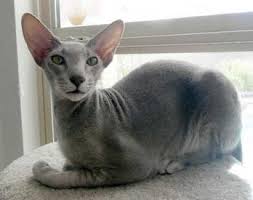
The Peterbald cat is a rare and elegant hairless cat breed known for its slender body, long limbs, and affectionate temperament. Originating in Russia, the Peterbald is admired for its graceful appearance and friendly personality.
Although they share similarities with the Sphynx cat, Peterbald cats have their own unique characteristics that make them a favorite among cat enthusiasts.
In this guide, we'll explore the Peterbald cat's history, personality, care requirements, and health considerations.
Origin and History of the Peterbald
The Peterbald breed was first developed in St. Petersburg, Russia in 1994.
Breeders crossed a Donskoy hairless cat with an Oriental Shorthair to create a new breed that combined the elegant body structure of Oriental cats with the hairless trait.
The result was the Peterbald, a sophisticated and affectionate breed that quickly gained recognition among cat breeders and enthusiasts.
Physical Appearance
Peterbald cats are known for their sleek and elegant look.
Common physical characteristics include:
• Slender, athletic body
• Long legs and tail
• Large pointed ears
• Almond-shaped eyes
• Narrow face with a refined structure
Unlike the Sphynx, Peterbald cats can have different coat types, including:
• Completely hairless
• Peach fuzz coat
• Short velour coat
• Brush-like coat
Some kittens may even develop more coat as they grow older.
Personality and Temperament
Peterbald cats are famous for their intelligence and affectionate nature.
Typical personality traits include:
• Friendly and outgoing
• Very intelligent
• Curious and playful
• Strongly bonded with their owners
• Social with children and other pets
Peterbald cats enjoy being around people and often seek attention. They are known for being talkative and expressive, similar to Oriental breeds.
Grooming and Care
Even though many Peterbald cats are hairless, they still require regular skin care.
Because their skin produces natural oils, owners may need to:
• Bathe them occasionally
• Clean their ears regularly
• Trim their nails
• Protect them from extreme temperatures
Hairless Peterbald cats can be sensitive to cold weather and direct sunlight, so indoor living is usually recommended.
Health and Lifespan
Peterbald cats are generally considered a healthy breed when responsibly bred.
However, like other hairless breeds, they may require extra attention to:
• Skin care
• Temperature regulation
• Heart health monitoring
With proper care, Peterbald cats typically live 12–15 years or longer.
Is a Peterbald Cat a Good Pet?
Peterbald cats are ideal for owners who want a social, intelligent, and affectionate cat.
They are especially suitable for:
• Families with children
• Homes with other pets
• Owners who enjoy interactive cats
• People who want a rare and unique breed
Because of their loving and playful nature, Peterbald cats often become deeply attached to their owners.
Related Articles
Broken or Bleeding Dog Nail: What to Do and How to Trim Safely
Learn how to stop dog nail bleeding fast, trim nails safely without hitting the quick, and know when a broken nail needs a same-day vet visit.

Signs and Symptoms of Ear Mites in Dogs You Shouldn't Ignore
Learn the early and advanced signs of ear mites in dogs, from head shaking to coffee-ground discharge, and when to get a vet's opinion online.

Can Humans or Cats Catch Ear Mites From Dogs?
Wondering if you or your cat can catch ear mites from your dog? Learn how Otodectes cynotis spreads between pets, the real risk to humans, and how to protect your household.