Table of Contents
Table of Contents
Hairless cats are one of the most fascinating and recognizable pets in the world. With their smooth skin, oversized ears, and expressive wrinkles, these unique felines attract attention wherever they go. Over the past decade, interest in hairless cats has grown rapidly across the United States as more people discover their affectionate personalities and distinctive appearance.
Unlike traditional cats with thick coats, hairless cats stand out immediately. Many people first notice them through social media, celebrity pets, or viral photos of a cute hairless cat cuddling with its owner. What surprises most new pet owners is that these cats are not just unusual in appearance they also tend to be extremely social and people oriented.
Several factors have contributed to the growing popularity of hairless cats:
- Increased awareness of unique cat breeds
- Pet owners searching for low-shedding cats
- Social media exposure of exotic pets
- Growing interest in rare and distinctive companions
Despite their bald appearance, hairless cats are far from fragile. Many breeds are playful, energetic, and highly affectionate. Owners often describe them as behaving more like dogs than cats because they follow their humans around the house and crave constant interaction.
However, owning a hairless cat is not the same as caring for a typical cat breed. Because they lack a protective coat, their skin requires special attention, and their environment must be carefully managed to protect them from sunburn, cold temperatures, and irritation.
Understanding these differences is essential before bringing one of these extraordinary pets into your home.
What Is a Hairless Cat?
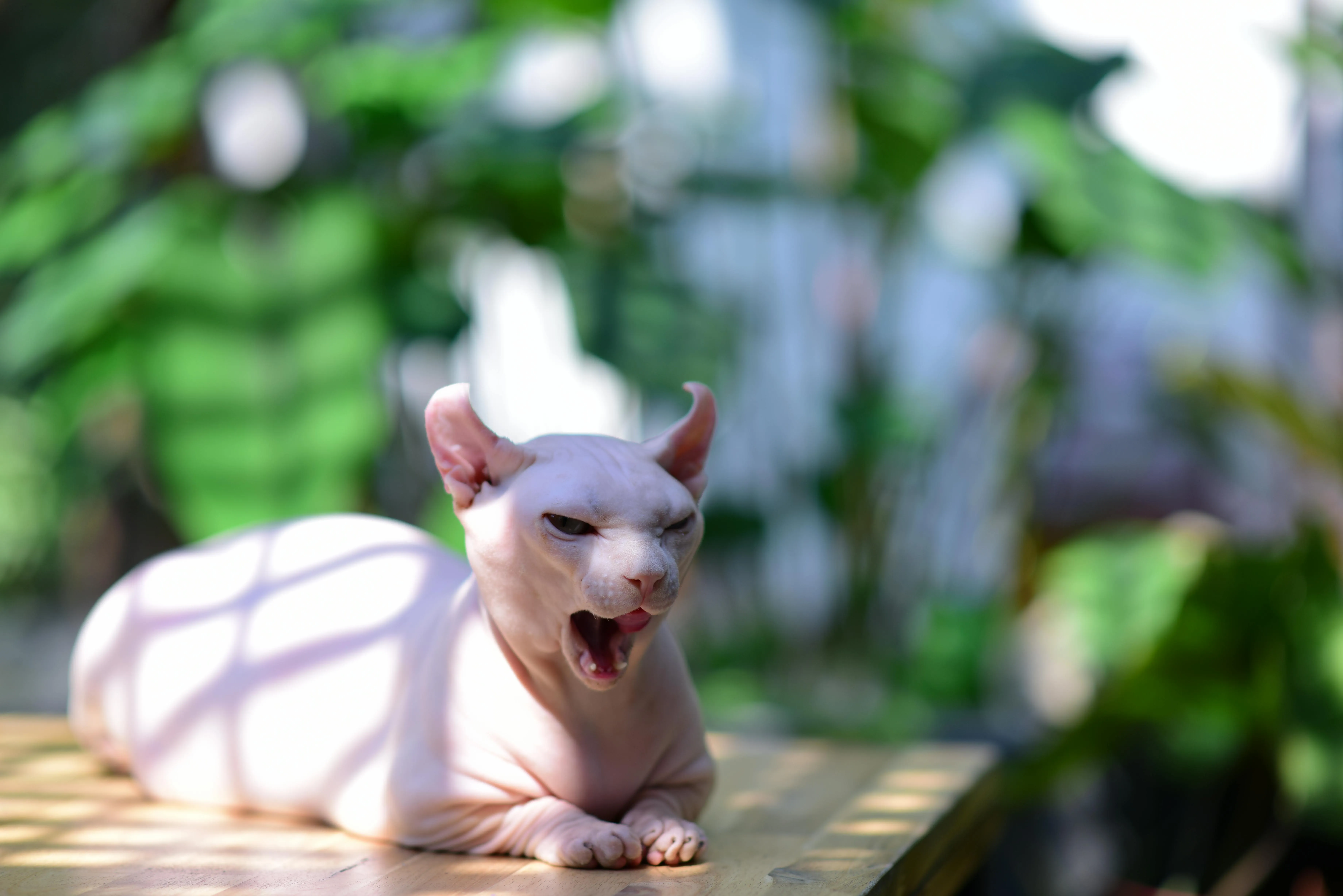
A hairless cat is a breed of domestic cat that either lacks fur completely or has extremely fine, barely visible hair. While they appear completely bald, many hairless cats actually have a thin layer of soft fuzz that gives their skin a suede like or peach fuzz texture.
The most famous hairless breed is the Sphynx cat, which was first developed in Canada during the 1960s after a natural genetic mutation produced kittens without fur. Breeders later refined this trait through careful breeding programs, eventually establishing the breed recognized today.
Hairlessness in cats occurs due to a genetic mutation affecting hair follicle development. Instead of producing a normal coat, the follicles produce extremely short or fragile hairs that often fall out early in life.
Because of this mutation, hairless cats have several physical characteristics that make them unique:
- Loose, wrinkled skin
- Large ears that help regulate body temperature
- High metabolism to maintain body warmth
- Prominent cheekbones and expressive eyes
- Soft, warm skin that feels like suede or warm leather
Another interesting trait is their body temperature. Hairless cats often feel warmer than other cats when touched because there is no insulating fur between their skin and your hand. This makes them particularly fond of cuddling with their owners or sleeping under blankets to stay warm.
Despite their unusual appearance, hairless cats are still fully domesticated cats with the same instincts and needs as any other feline. They play, hunt toys, climb furniture, and form strong bonds with their families.
Understanding what makes these cats unique helps potential owners decide whether their lifestyle is suitable for a breed that requires a bit more care and attention than typical cats.
Are Hairless Cats Truly Hairless?
When people first see a hairless cat, they often assume the animal has completely smooth skin with absolutely no fur. In reality, most hairless cats are not entirely bald.
Many hairless breeds are covered in a very fine layer of downy fuzz that feels similar to suede or peach skin. This subtle texture is why owners often describe touching a hairless cat as feeling like warm velvet or soft leather.
The amount of hair varies depending on the breed and the individual cat. Some cats appear completely bald, while others may have small patches of short hair on areas such as:
- The nose
- The ears
- The tail tip
- The paws
- The back of the neck
Even the well known Sphynx cat is not truly hairless. Most Sphynx cats have an extremely short coat that is almost invisible to the eye.
Because they lack thick fur, the natural oils produced by their skin are not absorbed the way they would be in other cats. Instead, these oils stay on the surface of the skin, which is why hairless cats may sometimes feel slightly greasy if they are not groomed regularly.
Another noticeable feature of hairless cats is their wrinkled skin. These wrinkles appear around the shoulders, legs, and face, giving the cat a very expressive look. While the wrinkles are completely normal, they can collect oil and dirt, which is why proper skin care is important.
Their lack of fur also means their skin color and patterns are fully visible. Hairless cats can have a wide variety of skin colors and markings, including:
- Pink
- Grey
- Black
- Spotted patterns
- Bi-color markings
For example, a black hairless cat may have dark charcoal skin that gives them a striking and dramatic appearance.
Although their appearance may seem unusual at first, many cat lovers quickly grow fond of these distinctive features. In fact, once people spend time with hairless cats, they often find them surprisingly adorable.
Most Popular Hairless Cat Breeds
Hairless cats are not limited to a single breed. Over the years, several unique breeds have been developed, each with its own personality, body structure, and appearance.
Here are some of the most popular hairless cat breeds you may encounter.
1. The Sphynx Cat
The Sphynx cat is by far the most famous hairless cat breed in the world.
Originally developed in Canada during the 1960s, the Sphynx quickly became known for its wrinkled skin, large ears, and extremely affectionate personality.
Sphynx cats are often described as dog-like because they enjoy following their owners around the house and interacting with people throughout the day. They are highly intelligent, playful, and thrive on attention.
Key characteristics include:
- Wrinkled skin and large ears
- Warm, soft skin texture
- Energetic and affectionate personality
- Strong desire for human companionship
Because of their social nature, Sphynx cats generally do best in homes where someone is around frequently.
2. Bambino Cat
The Bambino cat is a newer breed created by crossing a Sphynx with the short legged Munchkin cat.
The result is a small hairless cat with a long body and very short legs. Bambino cats are known for their playful personality and strong attachment to their owners.
Despite their unusual proportions, they are energetic cats that love interactive toys and climbing structures.
However, because of their body structure, some Bambinos may be more prone to joint issues, so responsible breeding and regular veterinary care are important.
3. Peterbald
The Peterbald cat originated in Russia and is known for its elegant body shape and long, slender limbs.
Unlike many hairless cats, Peterbalds can have different coat types ranging from completely bald to a short, velvety coat. Some kittens are born with fur that gradually falls out as they grow older.
Peterbald cats are extremely social and curious. They enjoy exploring their environment and forming strong bonds with their families.
4. Donskoy
Another Russian breed, the Donskoy cat is sometimes confused with the Sphynx, but it developed through a completely different genetic mutation.
Donskoy cats are intelligent, affectionate, and often described as gentle companions. Many owners report that these cats get along well with children and other pets when properly socialized.
Interestingly, some Donskoy kittens are born with hair and gradually lose it as they mature.
5. Lykoi (The Werewolf Cat)
The Lykoi cat is not fully hairless but has an extremely sparse coat that creates a unique "werewolf" appearance.
These cats periodically shed large portions of their coat in a process known as "wolfing out." During this time they may appear almost bald before the fur grows back again.
Lykoi cats are active hunters and playful companions, making them a favorite among owners who enjoy energetic pets.
6. Ukrainian Levkoy
The Ukrainian Levkoy is a rare breed known for its distinctive folded ears and hairless body.
This breed combines traits from hairless cats and the Scottish Fold, giving it a very unusual and recognizable appearance.
Levkoy cats are generally calm, loyal, and enjoy spending quiet time with their owners.
Personality and Temperament of Hairless Cats
Despite their unusual appearance, hairless cats are often known for having some of the most affectionate personalities in the feline world. Many owners say these cats behave more like dogs than typical cats because they crave constant interaction with their humans.
Breeds like the Sphynx cat are especially famous for their social nature. They enjoy following their owners from room to room, sitting on laps, and even greeting guests at the door.
Hairless cats are usually:
• Extremely affectionate
• Highly intelligent
• Curious and playful
• Loyal to their owners
• Comfortable with attention
Because they lack insulating fur, they also seek warmth. This often makes them very cuddly pets that love sleeping under blankets or curling up against their owners.
Another unique trait is their expressive facial features. The wrinkles on their face and body make their emotions easy to read, which many owners find charming. Combined with their large ears and wide eyes, these features often make even a cute hairless cat look full of personality.
Hairless cats are also surprisingly energetic. They enjoy climbing, chasing toys, and exploring new environments. Interactive toys, puzzle feeders, and regular play sessions are important to keep them mentally stimulated.
If properly socialized as kittens, most hairless breeds adapt well to different living situations. They can live happily in apartments, homes with children, or households that already have other pets.
However, because they are so social, hairless cats do not enjoy being left alone for long periods. Owners who work long hours often consider adopting two cats so they can keep each other company.
Why Some People Prefer Hairless Cats
Hairless cats may look unusual at first glance, but they have gained a strong following among cat lovers around the world. Many owners specifically choose these cats because of their unique appearance and affectionate personalities.
One of the biggest reasons people love hairless cats is their strong bond with humans. Unlike some independent cat breeds, many hairless cats actively seek attention and companionship.
For families who want a highly interactive pet, breeds like the Sphynx cat or Peterbald cat can be excellent choices.
Another reason is their distinctive look. A baby hairless cat often attracts attention because of its oversized ears, wrinkled skin, and curious expression. Many owners quickly fall in love with their quirky appearance.
Even internet culture has embraced these cats. Photos of a fat hairless cat lounging comfortably or wearing tiny sweaters frequently go viral on social media because of their humorous and adorable appearance.
Some people also believe hairless cats may be easier for individuals with allergies. While no cat is truly hypoallergenic, hairless breeds tend to spread less loose fur around the house, which can reduce allergen buildup in the environment.
However, choosing a hairless cat should always involve careful research. These cats require a bit more grooming and skin care than typical cats, and responsible ownership is essential for their health.
When properly cared for, hairless cats often become incredibly loyal companions who enjoy being part of daily family life.
How Much Does a Hairless Cat Cost?
One of the most common questions potential owners ask is: "How much is a hairless cat?" The price can vary widely depending on the breed, breeder reputation, and location.
The most well known hairless breed, the Sphynx cat, typically costs between $1,500 and $4,000 in the United States when purchased from a reputable breeder. Rare breeds such as the Peterbald cat or Donskoy cat may cost even more because they are less common.
Several factors influence the price:
Breeder reputation – Ethical breeders invest heavily in health testing and proper kitten care.
Bloodline and pedigree – Cats from champion lines are often more expensive.
Location – Prices can vary depending on the region and demand.
Health screening – Responsible breeders test for genetic conditions, which increases costs but ensures healthier kittens.
In addition to the purchase price, future owners should also budget for ongoing expenses such as veterinary care, grooming products, high quality food, and warm clothing or blankets.
Some hairless cats are also available through rescue organizations or shelters, which can significantly reduce adoption costs while giving a cat in need a loving home.
How to Care for a Hairless Cat
Although they lack fur, hairless cats still require regular grooming and attentive care. Their exposed skin produces natural oils that would normally be absorbed by fur, so these oils can build up on the skin.
Owners usually need to bathe hairless cats every one to two weeks using a gentle, veterinarian-approved shampoo. Regular cleaning prevents skin irritation and helps keep the cat comfortable.
Another important aspect of care is temperature regulation. Without fur, these cats can become cold more easily than other breeds. Many owners provide warm beds, heated blankets, or soft sweaters during colder months.
Sun exposure is another consideration. Hairless cats are more susceptible to sunburn, so they should be kept indoors during peak sunlight hours or protected with pet-safe sunscreen when necessary.
Ear cleaning is also essential because hairless breeds often produce more ear wax. Weekly ear checks help prevent infections.
Despite these additional care steps, many owners say the grooming routine becomes a natural part of bonding with their pet.
Common Health Issues in Hairless Cats
Hairless cats are generally healthy, but like all breeds, they can be prone to certain medical conditions. Regular veterinary checkups play an important role in maintaining their well-being.
One of the most notable health concerns for the Sphynx cat is hypertrophic cardiomyopathy (HCM), a heart condition that affects the thickness of the heart muscle. Responsible breeders screen their breeding cats for this disease to reduce the risk.
Other potential issues may include:
Skin infections due to oil buildup
Sunburn or sensitivity to temperature
Dental problems
Respiratory infections in kittens
Because their skin is directly exposed, owners may also notice cuts or irritations more easily than they would on furry cats.
Veterinary guidance is essential for managing these risks. If a cat shows signs such as lethargy, breathing difficulty, appetite changes, or skin abnormalities, a veterinarian should evaluate the problem promptly.
Are Hairless Cats Hypoallergenic?
Many people assume hairless cats are completely hypoallergenic, but this is a common misconception.
Cat allergies are typically triggered by a protein called Fel d 1, which is found in saliva, skin oils, and dander not just fur. Hairless cats still produce this protein.
However, some allergy sufferers report fewer symptoms around hairless cats because there is less fur to spread allergens around the home.
Regular bathing, cleaning bedding, and maintaining good household hygiene can further reduce allergen levels.
People with severe allergies should always spend time with the breed before adopting to determine whether they react to the cat.
Are Hairless Cats Good Pets for Families?
Hairless cats can make excellent pets for families who are prepared for their unique needs.
Breeds like the Sphynx cat are known for their friendly and affectionate nature. They often enjoy interacting with children and may even learn to play fetch or perform simple tricks.
These cats tend to be highly social and thrive in homes where they receive regular attention. Families who enjoy interacting with their pets throughout the day may find hairless cats to be particularly rewarding companions.
However, families should also consider the grooming commitment and ensure children understand how to handle the cat gently.
When raised in a loving environment, hairless cats can become deeply attached to their human families.
Myths and Misconceptions About Hairless Cats
Hairless cats often attract curiosity, which has led to several myths about them.
One common myth is that they are completely hairless. In reality, many hairless cats have a fine layer of peach-fuzz-like hair that is barely visible.
Another misconception is that they are fragile or sickly. With proper care and responsible breeding, most hairless cats live long and healthy lives similar to other cat breeds.
Some people also assume these cats feel cold to the touch, but their body temperature is actually similar to other cats. The absence of fur simply makes the warmth of their skin more noticeable.
Understanding the truth behind these myths helps potential owners make informed decisions.
Tips Before Adopting a Hairless Cat
Adopting a hairless cat should be a thoughtful decision rather than an impulse purchase.
Prospective owners should research breeders carefully or consider adopting from rescue organizations specializing in hairless breeds.
Before bringing one home, it is important to prepare:
A warm sleeping area
Gentle grooming supplies
Quality nutrition
Regular veterinary care
Hairless cats also thrive in homes where they receive plenty of attention and interaction.
Because they are so people-oriented, they tend to do best with owners who enjoy spending time with their pets.
Frequently Asked Questions About Hairless Cats
Do hairless cats feel cold?
Hairless cats can feel colder than other cats because they lack a thick coat of fur. Many owners provide warm beds, blankets, or soft sweaters to help them stay comfortable indoors.
Are hairless cats high maintenance?
Hairless cats require more skin care than typical cats. Regular bathing, ear cleaning, and temperature management are part of their routine care. However, many owners say the extra grooming becomes a bonding experience.
Do hairless cats smell?
Hairless cats can develop an oily smell if their skin oils build up. Regular baths and cleaning help keep them fresh and comfortable.
Are hairless cats friendly?
Yes. Many hairless breeds, especially the Sphynx, are known for their affectionate and social personalities. They often enjoy attention and may follow their owners around the house.
How long do hairless cats live?
With proper care and regular veterinary checkups, hairless cats often live 12–15 years or longer, similar to many other domestic cat breeds.
Conclusion:
Hairless cats may look unusual, but their affectionate personalities and playful nature have made them beloved pets around the world.
From their distinctive wrinkles to their loyal temperament, breeds like the Sphynx cat offer a unique companionship experience. However, they also require dedicated grooming, careful temperature management, and regular veterinary care.
For pet lovers willing to provide that care, hairless cats can become incredibly loving family members.
If you ever have questions about your cat’s health, grooming needs, or behavior, consulting with a licensed veterinarian is always the best step.
Pet owners can easily connect with experienced veterinarians online through TelaVets, making it simple to get professional advice from the comfort of home.
Reviewed by Dr. Micky Mopin, DVM
Related Articles

Broken or Bleeding Dog Nail: What to Do and How to Trim Safely
Learn how to stop dog nail bleeding fast, trim nails safely without hitting the quick, and know when a broken nail needs a same-day vet visit.

Signs and Symptoms of Ear Mites in Dogs You Shouldn't Ignore
Learn the early and advanced signs of ear mites in dogs, from head shaking to coffee-ground discharge, and when to get a vet's opinion online.

Can Humans or Cats Catch Ear Mites From Dogs?
Wondering if you or your cat can catch ear mites from your dog? Learn how Otodectes cynotis spreads between pets, the real risk to humans, and how to protect your household.