Table of Contents
Table of Contents
The Sphynx cat is one of the most recognizable and unique cat breeds in the world. Known for its hairless appearance, large ears, and affectionate personality, the Sphynx has gained popularity among cat lovers who want a social and playful companion.
Despite their lack of fur, Sphynx cats are far from fragile. They are energetic, intelligent, and extremely people oriented pets that enjoy constant interaction with their owners.
In this guide, we'll explore everything you need to know about the Sphynx cat breed, including personality traits, grooming requirements, health concerns, and whether this unusual breed is the right fit for your home.
Origin and History of the Sphynx Cat
The Sphynx cat originated in Canada during the 1960s when a natural genetic mutation caused a kitten to be born without fur. Breeders carefully developed the breed through selective breeding programs to maintain its distinctive hairless trait while ensuring strong health and temperament.
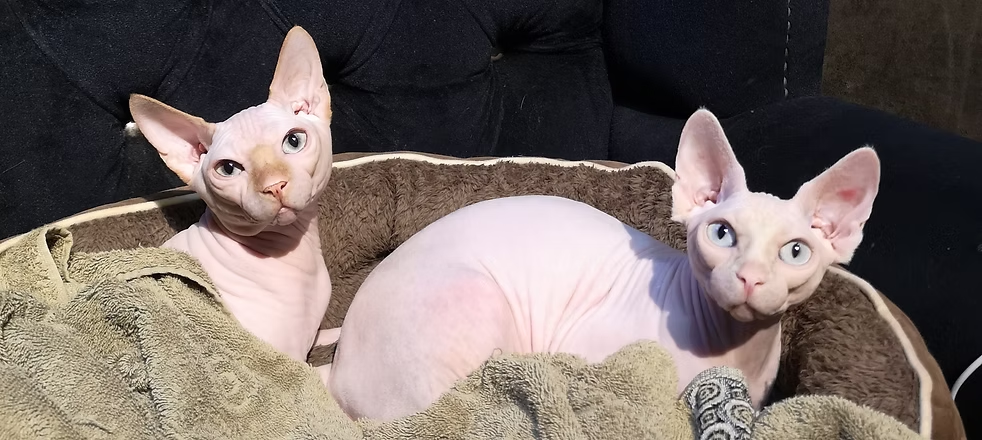
Although they appear completely hairless, most Sphynx cats actually have a very fine layer of peach-fuzz-like hair that gives their skin a soft, suede-like texture.
Today, the Sphynx is recognized by major cat associations and has become one of the most famous hairless cat breeds worldwide.
Physical Appearance
Sphynx cats have a very distinctive look that sets them apart from other breeds.
Key physical traits include:
• Wrinkled skin, especially around the neck and shoulders
• Large bat-like ears
• Prominent cheekbones
• Muscular body with a rounded belly
• Lemon-shaped eyes
• Long slender tail
Their skin can come in many colors and patterns, including solid, spotted, or tabby patterns. Because they lack fur, these colors appear directly on their skin.
Sphynx Cat Personality and Temperament
One of the biggest reasons people love Sphynx cats is their friendly and social personality.
Sphynx cats are known to be:
• Extremely affectionate
• Curious and intelligent
• Playful and energetic
• Loyal to their owners
• Very social with visitors and other pets
Unlike some independent cat breeds, Sphynx cats crave human interaction. They often follow their owners around the house, climb onto laps, and even sleep under blankets to stay warm.
Because of their affectionate nature, they are sometimes described as "dog-like cats."
Grooming and Skin Care
Many people assume that hairless cats require less grooming, but the opposite is often true.
Since Sphynx cats do not have fur to absorb skin oils, these oils can build up on their skin over time. This means they typically need regular bathing.
Recommended grooming routine:
• Bathing every 1–2 weeks
• Regular ear cleaning
• Nail trimming
• Gentle skin wiping if oils build up
Proper grooming keeps their skin healthy and prevents irritation or infections.
Health Considerations
Like all cat breeds, Sphynx cats can be prone to certain health conditions.
Some issues that veterinarians commonly monitor include:
• Hypertrophic cardiomyopathy (a heart condition)
• Skin infections
• Sunburn due to lack of fur
• Sensitivity to cold temperatures
Regular veterinary checkups and proper care can help ensure a Sphynx cat lives a long and healthy life, often between 12–15 years.
Are Sphynx Cats Hypoallergenic?
Many people believe Sphynx cats are hypoallergenic because they don't have fur. However, this is a common misconception.
Cat allergies are usually triggered by a protein called Fel d 1, which is present in saliva and skin oils. Since Sphynx cats still produce this protein, they are not completely hypoallergenic.
However, some allergy sufferers may experience fewer symptoms compared to living with a heavily shedding breed.
Is a Sphynx Cat Right for You?
Sphynx cats make wonderful companions for owners who want an affectionate, playful, and highly interactive pet.
They are best suited for people who:
• Want a very social cat
• Can provide regular grooming
• Spend time at home with their pet
• Want a unique and engaging companion
If you're looking for a cat that enjoys cuddles, attention, and playful interaction, the Sphynx could be the perfect addition to your family.
Reviewed by Dr. Micky Mopin, DVM
Related Articles

Broken or Bleeding Dog Nail: What to Do and How to Trim Safely
Learn how to stop dog nail bleeding fast, trim nails safely without hitting the quick, and know when a broken nail needs a same-day vet visit.

Signs and Symptoms of Ear Mites in Dogs You Shouldn't Ignore
Learn the early and advanced signs of ear mites in dogs, from head shaking to coffee-ground discharge, and when to get a vet's opinion online.

Can Humans or Cats Catch Ear Mites From Dogs?
Wondering if you or your cat can catch ear mites from your dog? Learn how Otodectes cynotis spreads between pets, the real risk to humans, and how to protect your household.