Table of Contents
Table of Contents
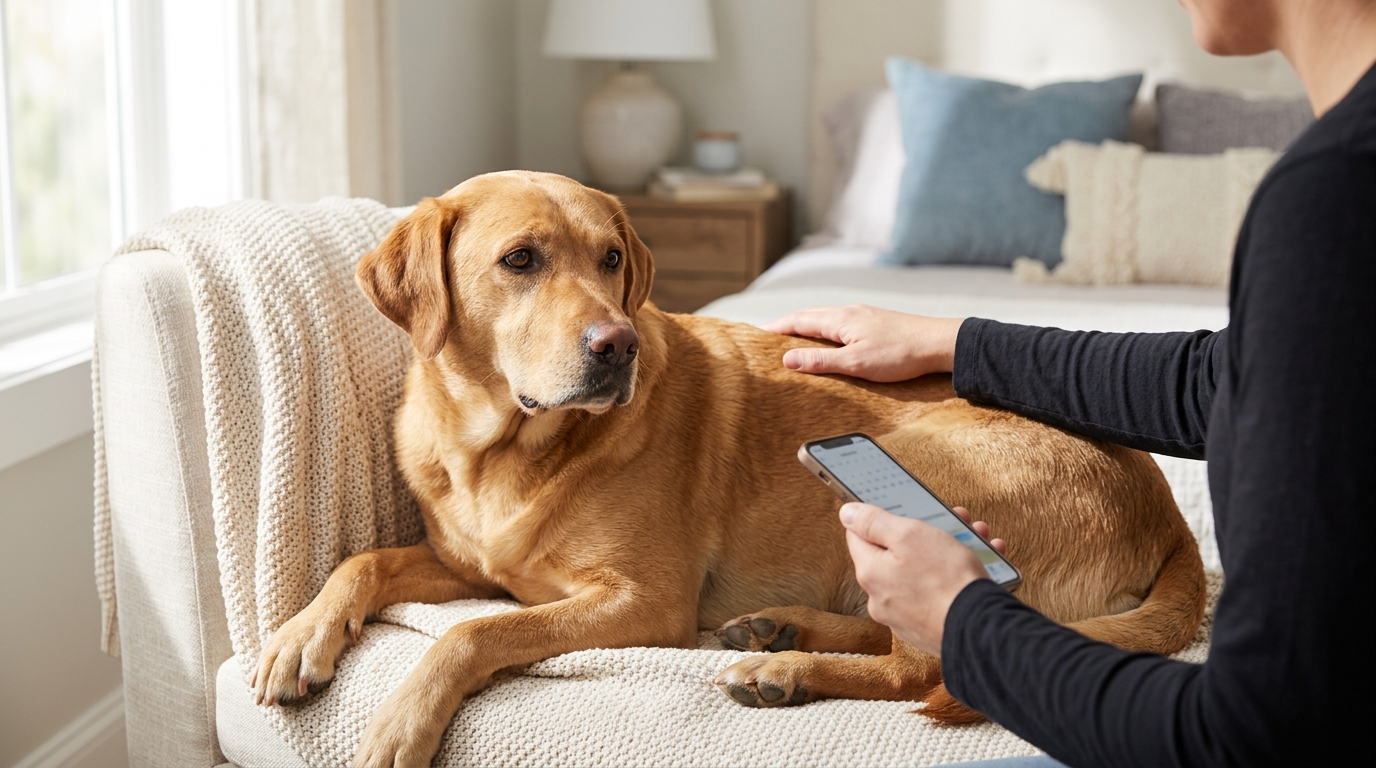
A harsh, honking cough that shows up a few days after daycare, boarding, or a busy afternoon at the dog park is one of the more recognizable patterns in veterinary medicine. Kennel cough is usually the correct first guess, and while it tends to sound far worse than it is, knowing what to expect helps you manage your dog's recovery and keep the illness from spreading to other pets. This article walks through the classic symptoms, how long a dog stays contagious, what treatment typically involves, and when the cough needs more than rest at home.
What Is Kennel Cough in Dogs?
Kennel cough is the common name for canine infectious tracheobronchitis, a contagious respiratory condition that irritates the trachea and upper airways. It is not caused by a single germ. In most cases, the bacterium Bordetella bronchiseptica is involved, either on its own or alongside viruses such as canine parainfluenza virus or canine adenovirus. Because several organisms can produce a nearly identical cough, veterinarians often diagnose kennel cough from history and symptoms alone, reserving lab testing for cases that are unusual, severe, or not responding as expected.
The illness spreads efficiently anywhere dogs share close space and air, which is why it is so closely tied to boarding kennels, daycare facilities, grooming salons, training classes, and dog parks. A healthy adult dog can pick it up from a single afternoon around an infected dog, even one that is not coughing yet.
Recognizing the Symptoms of Kennel Cough
The hallmark symptom is a dry, forceful cough that many owners describe as a goose honk. It arrives in sudden bursts and can sound alarming, almost like choking, even though most affected dogs are not in real distress. Episodes often intensify with excitement, after pulling against a collar on a walk, or right after drinking water.
Many dogs finish a coughing fit with a bit of retching or gagging, sometimes bringing up a small amount of white foam. This pattern overlaps with other conditions, so if you are trying to pin down whether the sound your dog is making qualifies as a true cough, our article on dog dry cough followed by gagging walks through the comparison in more detail.
In an uncomplicated case, the dog usually stays bright, alert, and interested in food and play between coughing episodes. That normal in-between behavior is one of the more reassuring signs that you are dealing with straightforward kennel cough rather than something more serious. If your dog seems dull, tired, or off food in addition to the cough, treat that as a signal to get things checked rather than assume it is a mild case.
How Kennel Cough Spreads and How Long It Is Contagious
Kennel cough spreads mainly through airborne respiratory droplets released when an infected dog coughs or sneezes, along with contact with contaminated surfaces like shared water bowls, toys, bedding, and even hands that move between dogs. This is why the illness moves so quickly through boarding facilities and group play areas.
After exposure, there is typically an incubation period of a few days before coughing starts, meaning your dog could have been infected before you noticed anything at all. Once symptoms begin, dogs commonly remain contagious for one to several weeks, and contagiousness can outlast the visible cough itself. This matters for planning: a dog that sounds better is not automatically safe to return to daycare or the dog park. A cautious approach is to keep a recovering dog away from other dogs for at least two to three weeks after symptoms resolve, though your veterinarian can tailor that timeline to your dog's specific case.
Extra caution is worthwhile around puppies who have not completed their vaccine series, senior dogs, and any dog with an existing respiratory or heart condition, since these groups face a higher risk of complications from what is otherwise a mild illness in a healthy adult dog.
Kennel Cough vs. Other Causes of Coughing
Not every strange respiratory sound is kennel cough, and it is worth knowing a few common look-alikes so you do not miss something that needs different care. Reverse sneezing, for example, can sound dramatic the first time you hear it, but it is a distinct reflex involving rapid inhalation through the nose rather than a true cough. Our comparison of reverse sneezing versus coughing in dogs can help you tell the two apart with more confidence.
Small and toy breed dogs sometimes develop a similarly honking cough from a structural issue called collapsing trachea rather than an infection. Unlike kennel cough, this tends to be chronic and ongoing rather than something that resolves in a few weeks, and it is strongly associated with certain breeds. Our guide to collapsing trachea in dogs covers the signs and long-term management.
Older dogs who develop a persistent cough, especially one paired with tiring more easily on walks or a decreased appetite, should also be evaluated with heart disease in mind. Our article on dog coughing and heart disease outlines the warning signs that separate a cardiac cough from an infectious one. For a broader rundown of every common cause, our pillar guide on dog coughing causes and warning signs is a useful starting point if you are still narrowing things down.
Treatment Options for Kennel Cough
Many mild, uncomplicated cases in otherwise healthy adult dogs improve on their own within roughly one to three weeks, in much the same way a common cold runs its course in people. That said, typical does not mean every dog should be left to recover with zero oversight, particularly if you are not fully sure of the diagnosis.
When a veterinarian suspects a bacterial component such as Bordetella, they may prescribe antibiotics to shorten the illness or head off secondary complications. Not every case needs them, and a vet weighs severity, duration, and your dog's overall health before recommending medication. Some dogs also benefit from short-term cough suppressants or anti-inflammatory medication for comfort, decided case by case rather than used automatically.
At home, rest is one of the most useful things you can offer. A humidified environment, such as time in the bathroom during a warm shower, can soothe irritated airways. Switching from a collar to a harness removes direct pressure on the trachea, which often noticeably cuts down on coughing triggered by leash walks. Keeping your dog away from other dogs until your veterinarian confirms it is safe helps prevent an outbreak among other pets in your home, neighborhood, or usual social spots.
If you want a licensed opinion on your dog's specific cough before starting anything, you can schedule a coughing evaluation for guidance tailored to your dog's history and symptoms.
When Kennel Cough Needs Veterinary Attention
A vet visit becomes more urgent when the cough lasts longer than two to three weeks, keeps getting worse instead of improving, or shows up alongside other symptoms. Watch for these signals that suggest something beyond a simple, self-limiting case:
- Lethargy or noticeably reduced energy compared to normal
- Decreased appetite or reluctance to eat
- Labored or rapid breathing, even at rest
- Green or yellow nasal discharge, which can suggest a secondary infection
Puppies who have not finished their vaccine series, senior dogs, and dogs with pre-existing heart or lung conditions should generally be seen sooner rather than later, since they carry a higher risk of complications such as pneumonia. Our article on when a dog cough becomes an emergency goes deeper into distinguishing a cough that can wait from one that cannot. A licensed veterinarian can help rule out pneumonia or other complications through either a video visit or an in-person exam, depending on what your dog's symptoms suggest.
Preventing Kennel Cough
Vaccination against Bordetella is one of the most effective prevention tools available, and most boarding kennels, groomers, and daycare facilities require proof of it before allowing a dog to attend, precisely because of how easily the illness spreads in group settings. Good ventilation in shared spaces and routine cleaning of communal bowls, toys, and bedding also meaningfully cut transmission risk.
During local outbreaks, or simply as a general habit, it is wise to limit your dog's contact with any dog that appears visibly sick, whether at a park, a training class, or on a walk. A short pause on socializing is a small inconvenience next to weeks of managing an active infection at home. According to PetMD, staying current on preventive care and avoiding exposure to sick dogs remain among the most practical ways owners can lower their dog's risk.
How TelaVets Can Help With a Coughing Dog
If your dog has developed a new cough and you are not sure whether it fits the pattern of kennel cough or points to something else, a virtual vet visit can be a fast, practical first step. A licensed veterinarian can listen to your description of the cough, ask about recent exposure to other dogs, and help determine whether the case sounds consistent with kennel cough or whether in-person diagnostics are needed.
TelaVets offers same-day video appointments with licensed veterinarians for a flat $65, with no memberships or hidden fees, available across all 50 states. Visits happen over a secure Google Meet call, and when appropriate, a prescription can be sent the same day to your pharmacy of choice. If your dog's cough has you unsure whether to wait it out or head to a clinic, you can book a visit for a low-pressure way to get a professional opinion quickly.
Frequently Asked Questions
How long is kennel cough contagious in dogs?
Dogs can shed and spread kennel cough for one to several weeks, and this contagious window often extends beyond the point where the cough itself has visibly improved. It is safest to keep a recovering dog away from other dogs for a couple of weeks after symptoms resolve rather than assume they are no longer contagious the moment the coughing stops.
Can kennel cough go away on its own?
Many mild cases in healthy adult dogs resolve without medication within about one to three weeks. Cases that persist beyond that window, worsen, or come with other symptoms like lethargy or reduced appetite should be evaluated by a veterinarian rather than left to run their course indefinitely.
Is kennel cough dangerous for puppies or senior dogs?
Puppies, senior dogs, and dogs with existing heart or lung conditions are more prone to complications such as pneumonia. These groups generally benefit from being checked by a veterinarian sooner rather than waiting to see if the cough resolves on its own.
Can humans catch kennel cough from dogs?
Kennel cough is not considered a typical human health risk. Even so, practicing good hygiene, such as washing your hands after handling a sick dog and cleaning shared items, is a reasonable precaution while your dog recovers.
Does kennel cough require antibiotics?
Not every case needs antibiotics. A veterinarian decides based on the severity and duration of symptoms and whether a bacterial component such as Bordetella is suspected or confirmed. Mild cases in healthy dogs sometimes resolve with supportive care alone.
This article is for general educational purposes and is not a substitute for an individualized veterinary exam. It has been reviewed for accuracy by Dr. Julia, DVM, who has 14 years of clinical veterinary experience. If your dog shows signs of labored breathing, blue-tinged gums, or collapse, seek emergency veterinary care immediately.
Sources
Related Articles

Dog Dry Cough Followed by Gagging: What It Means
Wondering why your dog has a dry cough followed by gagging? Learn the common causes, red flags, and when to get a licensed vet's opinion online with TelaVets.
Dog Coughing and Heart Disease: Warning Signs Owners Shouldn't Ignore
Learn how dog coughing and heart disease can be connected, which breeds are at higher risk, and when a cardiac cough needs urgent veterinary attention.
Reverse Sneezing vs. Coughing in Dogs: How to Tell the Difference
Learn how to tell reverse sneezing in dogs apart from a true cough, what triggers each, red flags to watch for, and when to book a same-day virtual vet visit.