Table of Contents
Table of Contents
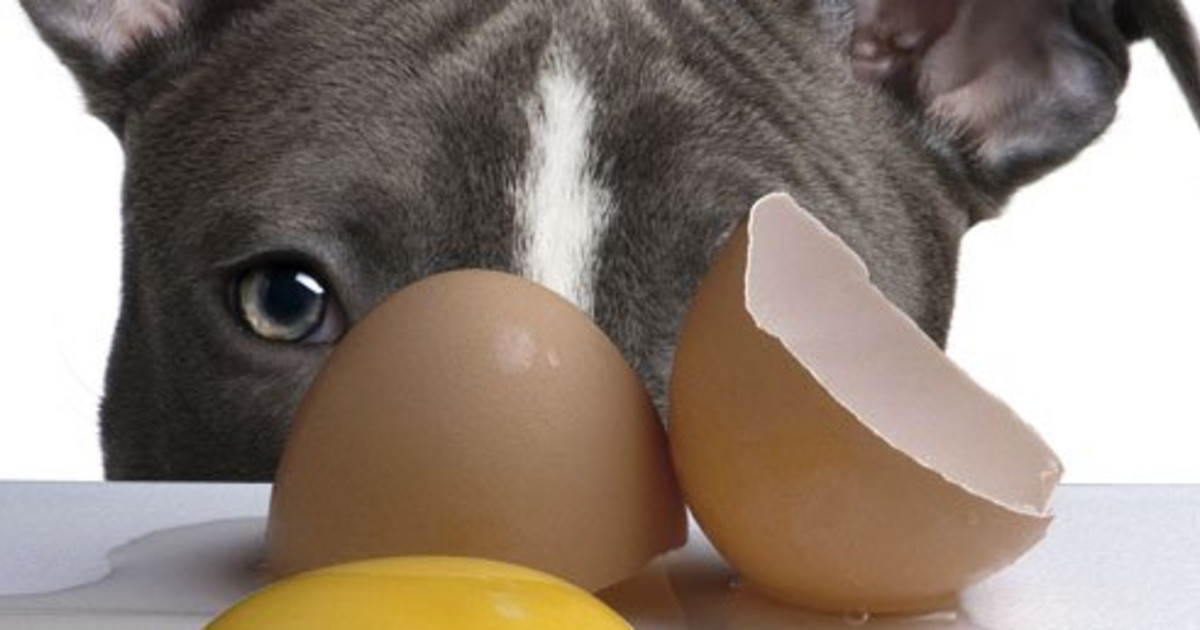
Raw feeding has become one of the most talked about dog nutrition trends in recent years. From TikTok videos to Instagram reels, many pet parents are being told that "raw is more natural" and that foods like raw eggs can improve a dog's coat, energy levels, and overall health. At the same time, trusted sources give mixed advice some say raw eggs are a superfood, while others warn about serious health risks.
This conflicting information leaves many dog owners asking a simple but important question: are raw eggs good for dogs, or could they do more harm than good?
At TelaVets, our licensed veterinarians regularly answer diet related questions during online consultations. The truth is that eggs can be a nutritious food for dogs but how they’re prepared and which dogs eat them matters more than most people realize.
In this vet reviewed guide, we'll break down the real benefits, proven risks, and safest ways to feed eggs to dogs, so you can make an informed decision based on science not social media trends.
Can Dogs Eat Raw Eggs?
Short answer: Raw eggs are not recommended for most dogs.
While eggs are packed with protein, vitamins, and healthy fats, feeding them raw comes with risks that usually outweigh the benefits. These include salmonella exposure, reduced nutrient absorption, and a higher chance of digestive upset especially in puppies, senior dogs, and dogs with sensitive stomachs or medical conditions.
Most veterinarians agree that cooked eggs provide the same nutritional benefits as raw eggs but with far fewer health risks, making them the safer option for the majority of dogs.
That said, there are a few specific situations where raw eggs may be tolerated but only under veterinary guidance and as part of a carefully balanced diet.
Why Dogs Are Drawn to Eggs (Instinct & Biology)
Dogs are naturally attracted to eggs because they are nutrient dense, high in protein, and rich in fats all things a carnivorous scavenger evolved to seek out. In the wild, eggs would have been an easy, high reward food source for early canines, requiring little effort to consume while delivering substantial energy.
From a biological standpoint, eggs contain:
- Complete proteins with all essential amino acids
- Healthy fats that support brain and nerve function
- Micronutrients like vitamin A, vitamin D, selenium, and riboflavin
These nutrients trigger a strong sensory response in dogs, especially the smell and texture of eggs, which signal "high-value food" to their instincts.
However, instinct does not equal safety.
Modern dogs are very different from wild canines. Selective breeding, longer lifespans, indoor living, and processed diets mean their digestive systems may not handle raw foods the same way their ancestors did. What once might have been tolerated occasionally in the wild can now cause digestive upset or nutritional imbalances when fed regularly.
This is why veterinary nutrition focuses not just on what dogs want to eat but on what their bodies can safely digest and absorb over time.
Nutritional Value of Eggs for Dogs (Raw vs Cooked)
Eggs are a powerhouse of nutrients, making them a beneficial addition to your dog's diet when prepared correctly. According to Dr. Micky Mopin, DVM, eggs provide high quality protein, essential fatty acids, and key vitamins and minerals that support your dog's overall health.
Key Nutrients in Eggs:
- Protein: Supports strong muscles and tissue repair
- Healthy Fats: Omega 6 fatty acids help maintain a shiny coat and healthy skin
- Vitamins: A, D, E, and B vitamins support immune function, metabolism, and growth
- Minerals: Iron, calcium, selenium, and phosphorus contribute to strong bones, teeth, and thyroid function
Raw eggs contain all these nutrients but pose risks. Raw egg whites have avidin, a protein that can interfere with biotin absorption, which may lead to nutrient deficiencies over time. Raw eggs can also carry salmonella, a bacteria that can make your dog sick.
Cooked eggs, on the other hand, neutralize avidin and reduce bacterial risks, making them safe and nutritionally beneficial. Boiling, scrambling, or poaching eggs without added salt, butter, or oil preserves the nutrient content while keeping your dog safe.
Expert Tip: "Feeding cooked eggs in moderation ensures your dog receives all the nutritional benefits without the risks associated with raw eggs," says Dr. Micky Mopin, DVM.
How to Safely Feed Eggs to Dogs
Feeding eggs safely is key to getting all the nutritional benefits while avoiding potential risks.
Recommended Ways to Serve Eggs
- Boiled eggs: Fully cooked, peeled, and cut into bite sized pieces.
- Scrambled eggs: Cook plain with no butter, oil, or seasoning.
- Poached eggs: Fully cooked in water, served plain.
Expert Tips from Dr. Micky Mopin, DVM
- Moderation is crucial: Eggs should make up no more than 10% of your dog's daily caloric intake.
- Introduce slowly: Start with a small portion and watch for digestive issues or allergic reactions.
- Avoid additives: Salt, butter, and spices can upset your dog's stomach.
- Use eggs as enrichment: Scrambled eggs can be spread on a lick mat or stuffed in a Kong for mental stimulation.
Following these steps ensures your dog benefits from eggs without experiencing stomach upset or nutrient imbalances.
How Many Eggs Can Dogs Eat
The number of eggs a dog can safely eat depends on their size, age, and activity level.
- Small dogs: Half an egg 1–2 times per week
- Medium dogs: One egg 1–2 times per week
- Large dogs: One and a half eggs 1–2 times per week
- Extra large dogs: Up to two eggs 1–2 times per week
Dr. Mopin advises monitoring your dog for any signs of digestive upset, such as gas, bloating, or diarrhea. Adjust serving sizes based on your dog's weight, diet, and health conditions.
Can Dogs Eat Raw Eggs? Risks Explained
Feeding raw eggs to dogs comes with several risks:
- Salmonella exposure: Raw eggs may carry bacteria that can harm both dogs and humans.
- Avidin in egg whites: Can block absorption of biotin, leading to skin or coat issues if fed regularly.
- Bacterial growth: As raw eggs sit, harmful bacteria can multiply, increasing health risks.
Although some raw feeders advocate raw eggs for natural nutrition, Dr. Micky Mopin, DVM warns that cooked eggs offer the same nutrients without the dangers.
Key takeaway: Cook eggs thoroughly to protect your dog while still providing protein, vitamins, and healthy fats.
Can Dogs Eat Egg Yolks and Egg Whites Separately
Yes, both parts of the egg can benefit your dog but each has its own considerations:
- Egg yolks: High in calories and fat but rich in fat-soluble vitamins (A, D, E, K). Ideal in moderation for dogs with normal digestion.
- Egg whites: High in protein and low in fat; safer for dogs prone to pancreatitis or obesity.
Dr. Mopin notes that mixing yolk and white in moderation is usually safe for most dogs and maximizes the nutritional benefits. For dogs with dietary restrictions, feeding only egg whites may be preferable.
Can Dogs Eat Eggshells?
Eggshells are an excellent source of natural calcium, which supports bones, teeth, and joint health. However, raw eggshells can be sharp and carry bacteria.
Safe Eggshell Feeding Tips:
- Bake or boil eggshells to eliminate pathogens.
- Grind shells into a fine powder before sprinkling on food.
- Consult your vet for proper dosage too much calcium can cause kidney or bone issues.
Dr. Micky Mopin, DVM highlights that eggshells can be particularly useful for older or arthritic dogs who may benefit from additional calcium support.
Are Eggs Good for Puppies?
Yes! Puppies can safely enjoy eggs in small, controlled portions.
- Eggs provide high quality protein for growth.
- Fat soluble vitamins support immune system development and coat health.
- Start with very small amounts and gradually increase as the puppy grows.
Always monitor for allergic reactions or digestive upset. Puppies on a strict puppy formula diet should only receive eggs after vet consultation.
Allergies and Food Sensitivities in Dogs
While uncommon, some dogs are allergic to egg proteins. Signs of an allergy include:
- Vomiting or diarrhea
- Skin irritations such as itching or rashes
- Ear infections or inflamed paws
If your dog shows these symptoms after consuming eggs, stop feeding eggs immediately and consult your vet. Dr. Mopin recommends a gradual introduction to detect potential sensitivities safely.
Eggs can be a nutrient rich, high protein, and delicious treat for most dogs. They are safe when:
- Fully cooked (boiled, scrambled, or poached)
- Fed in moderation
- Introduced gradually
- Prepared without additives
Avoid raw eggs due to salmonella and biotin issues. When served safely, eggs can support your dog's health, coat, muscles, and overall well being making them a perfect occasional addition to your dog's diet.
For personalized guidance or any concerns about feeding eggs to your dog, you can book a consultation with a licensed vet online through TelaVets.
Related Articles
Broken or Bleeding Dog Nail: What to Do and How to Trim Safely
Learn how to stop dog nail bleeding fast, trim nails safely without hitting the quick, and know when a broken nail needs a same-day vet visit.

Signs and Symptoms of Ear Mites in Dogs You Shouldn't Ignore
Learn the early and advanced signs of ear mites in dogs, from head shaking to coffee-ground discharge, and when to get a vet's opinion online.

Can Humans or Cats Catch Ear Mites From Dogs?
Wondering if you or your cat can catch ear mites from your dog? Learn how Otodectes cynotis spreads between pets, the real risk to humans, and how to protect your household.