Table of Contents
Table of Contents
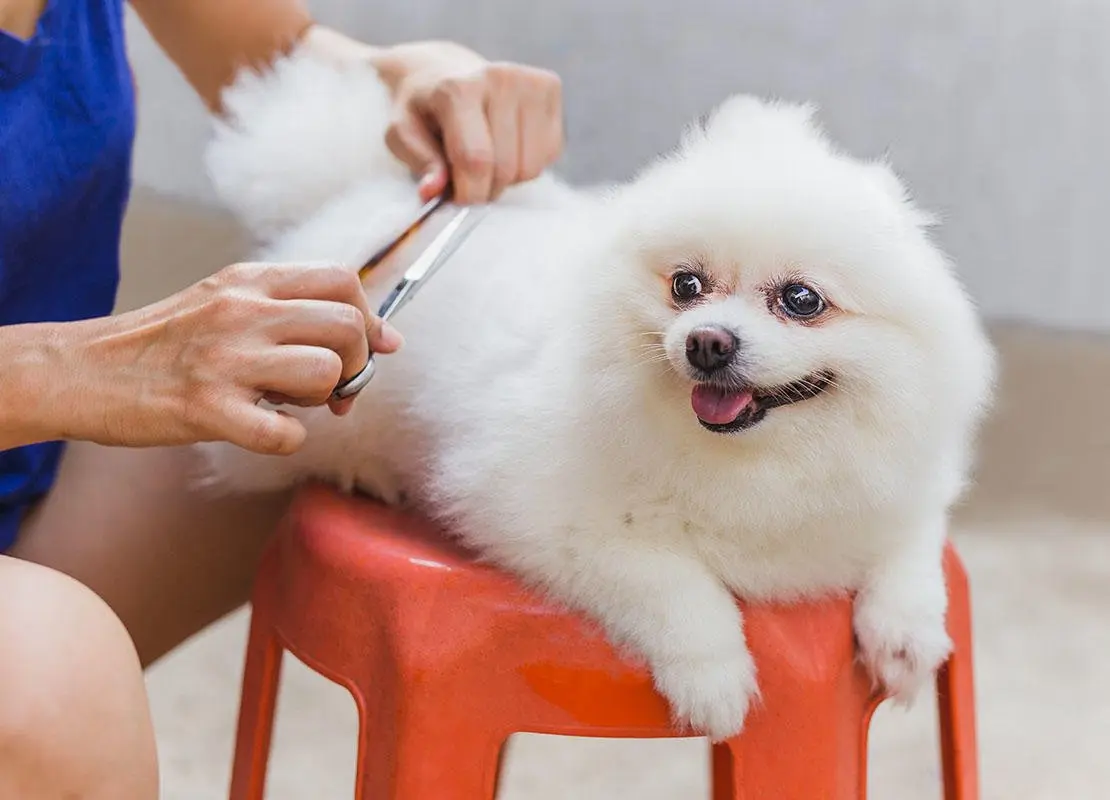
Grooming isn't just about keeping your dog looking cute it's a vital part of their overall health and happiness. From maintaining a shiny, tangle free coat to keeping nails, teeth, and ears in check, proper grooming helps prevent health issues while strengthening the bond between you and your furry friend. For beginners, the idea of grooming can feel overwhelming, but with the right tips and tools, it can become an enjoyable routine for both you and your dog.
At TelaVets, we understand that every dog is unique different breeds, coat types, and temperaments require tailored care. That's why this guide focuses on practical dog grooming tips for beginners, giving you a step by step approach to keep your dog healthy, comfortable, and looking their best. Whether you're brushing a long haired pup for the first time or learning how to safely trim nails, these tips are designed to make grooming easy, safe, and stress free.
By the end of this guide, you'll feel confident in establishing a grooming routine that fits your dog's needs, helping them stay happy, healthy, and full of tail wagging energy.
Why Grooming is Essential for Your Dog
Grooming isn't just about aesthetics it's a cornerstone of your dog's health and well being. Regular grooming allows you to monitor your dog's body closely, detect early signs of health issues, and maintain overall hygiene. Neglecting grooming can lead to a range of problems, from matted fur and skin infections to painful nail overgrowth and ear issues.
Health Benefits of Grooming
- Skin and Coat Care: Regular brushing distributes natural oils across your dog's coat, keeping it shiny, soft, and free from tangles. It also helps reduce shedding and prevents painful mats from forming.
- Early Detection of Health Problems: Grooming gives you the opportunity to spot lumps, bumps, rashes, or unusual odors. Detecting these early can prevent more serious health issues.
- Ear and Eye Hygiene: Cleaning ears and wiping around the eyes reduces the risk of infections, tear stains, and discomfort.
- Dental Health: Brushing your dog's teeth during grooming routines helps prevent tartar buildup, gum disease, and bad breath.
- Nail Maintenance: Trimming nails prevents overgrowth, which can cause pain, difficulty walking, and even joint problems over time.
Emotional and Behavioral Benefits
Grooming is not just a physical health routine it's also a bonding experience. Dogs who are accustomed to gentle, consistent grooming often feel more relaxed and secure. Over time, they associate grooming with care, attention, and affection, making the process less stressful for both of you.
For beginners, understanding the importance of grooming sets the stage for creating a safe and enjoyable routine. It's about more than appearances; it's about promoting your dog's overall health, comfort, and happiness.
Essential Dog Grooming Tools for Beginners
Starting a grooming routine can feel overwhelming, especially for first time dog owners. The right tools make all the difference, ensuring safety, comfort, and effectiveness. Using high quality, appropriate tools also helps build trust between you and your dog during grooming sessions.
1. Brushes and Combs
Different coat types require different brushes.
- Bristle brushes: Ideal for short haired dogs to remove loose hair and stimulate natural oils.
- Slicker brushes: Perfect for medium to long haired dogs to prevent tangles and mats.
- Comb: Helps detangle knots and reach the undercoat for dogs with dense fur.
Regular brushing not only keeps your dog looking neat but also reduces shedding and promotes a healthy coat.
2. Nail Clippers or Grinders
Trimming nails is essential to prevent overgrowth, discomfort, and joint stress. Beginners may prefer a grinder for a more gradual and controlled trim, especially for anxious dogs. Clippers are faster but require careful handling to avoid cutting the quick.
3. Dog-Safe Shampoo and Conditioner
Dogs have sensitive skin, so always use formulated dog shampoos rather than human products. A gentle shampoo keeps the coat clean, while a conditioner can help reduce tangles and maintain shine. Avoid over bathing, as too much can strip natural oils.
4. Towels and Hair Dryers
A soft towel is perfect for drying after a bath. For dogs that tolerate it, a low heat, quiet hair dryer can help dry thick coats safely and prevent dampness that might cause irritation.
5. Ear and Tooth Care Tools
- Ear wipes or gentle cleaners: Prevent buildup and infections.
- Dog toothbrush and toothpaste: Essential for long term dental health and fresh breath.
6. Safety Items
- Grooming table or non slip mat: Keeps your dog stable during grooming sessions.
- Treats and positive reinforcement tools: Reward your dog to make grooming a pleasant experience.
With the right tools, beginners can feel confident, reduce grooming related stress, and make the routine enjoyable for their dog.
Step-by-Step Grooming Routine for Beginners
Establishing a consistent grooming routine is key to keeping your dog healthy, happy, and comfortable. For beginners, taking things slow and focusing on positive reinforcement ensures a stress-free experience for both you and your dog.
1. Brushing
Start every grooming session with brushing.
- Frequency: Short haired dogs 1–2 times a week, long-haired dogs 3–5 times a week.
- Technique: Use gentle, slow strokes in the direction of hair growth. Take extra care with mats or tangles never pull harshly, as it can hurt your dog.
- Benefits: Brushing removes loose hair, distributes natural oils, prevents mats, and allows you to check for skin issues or parasites.
2. Bathing
Bathing helps maintain cleanliness and skin health.
- Frequency: Typically once a month, or more often for active or smelly dogs. Avoid daily baths, as it can dry out the skin.
- Tips for Beginners:
- Use lukewarm water and dog specific shampoo.
- Lather gently, focusing on the neck, back, and underbelly.
- Rinse thoroughly to prevent residue that can irritate the skin.
- Dry with a towel or low heat dryer if your dog tolerates it.
3. Nail Trimming
Healthy nails prevent discomfort, joint issues, and injuries.
- How to Begin: Familiarize your dog with the clippers or grinder by letting them sniff and explore it.
- Technique: Trim a small amount at a time to avoid cutting the quick. For anxious dogs, try trimming one or two nails per session.
- Safety Tip: If your dog resists, take breaks and offer treats to create a positive association.
4. Ear Cleaning
Regular ear care prevents infections and irritation.
- Frequency: Check weekly, clean as needed.
- Method: Use a dog safe ear cleaner and cotton balls. Avoid cotton swabs deep inside the ear canal.
- Signs of Trouble: Redness, foul odor, or discharge indicates a visit to the vet may be necessary.
5. Dental Care
Good oral hygiene improves overall health.
- Routine: Brush teeth 2–3 times a week with dog specific toothpaste.
- Alternative: Dental chews or toys can help reduce plaque and tartar.
Tips for Success
- Start grooming early in your dog's life to develop trust and comfort.
- Keep sessions short (5–10 minutes) at first and gradually extend them.
- Always reward your dog with treats, praise, and affection.
By following this step-by-step routine, beginners can establish a grooming schedule that keeps their dog looking great while strengthening the human animal bond.
How to Make Grooming Fun for Your Dog
Grooming doesn't have to be a stressful chore. With the right approach, you can turn grooming into a bonding experience that your dog actually enjoys. Dr. Micky Mopin, DVM, emphasizes that creating positive associations during grooming is key to long term success.
Tips to Make Grooming Enjoyable
- Use Positive Reinforcement: Treats, praise, and gentle petting reinforce good behavior. Reward your dog immediately after a successful grooming step to create a positive link.
- Start Slowly: Begin with short sessions and gradually increase the duration as your dog becomes more comfortable. Beginners should focus on one grooming task at a time, such as brushing or nail trimming.
- Interactive Toys: Use toys or chew items to distract anxious dogs while brushing or bathing. This helps redirect their focus and reduces stress.
- Consistent Routine: Dogs thrive on routine. Set a consistent grooming schedule so your pet knows what to expect, turning grooming into a familiar and calming activity.
By making grooming fun, you're not only maintaining your dog's hygiene but also building trust and strengthening your bond.
When to Consult a Professional
While many grooming tasks can be handled at home, some situations require the expertise of a professional groomer or veterinarian. Recognizing when to seek help ensures your dog's safety and well being.
Signs Your Dog Needs Professional Grooming
- Persistent matting or tangles that can't be safely removed at home.
- Difficulty handling certain grooming tasks like nail trimming or ear cleaning.
- Behavioral stress or anxiety that makes home grooming unsafe.
Health Concerns to Watch For
Grooming can reveal potential health issues such as:
- Skin irritations, infections, or rashes
- Parasites like fleas or ticks
- Unusual lumps, bumps, or swelling
Dr. Micky Mopin, DVM, recommends that if any of these signs appear, or if you're unsure about your dog's grooming needs, it's best to consult a professional. At TelaVets, you can schedule an online vet consultation for personalized advice on dog grooming and overall health.
Conclusion
Regular grooming is more than just keeping your dog looking good it's essential for their health, comfort, and happiness. Grooming promotes a clean coat, healthy skin, and early detection of potential health issues. For beginners, starting slowly, maintaining a routine, and using positive reinforcement ensures a stress free and enjoyable experience for both you and your dog.
Remember, grooming is also a bonding opportunity. With patience, the right tools, and guidance from experts like Dr. Micky Mopin, DVM, even first-time dog owners can master the basics at home.
For personalized guidance on dog grooming and health, you can book a consultation with a licensed vet online at TelaVets—helping you keep your furry friend happy, healthy, and well groomed.
Related Articles
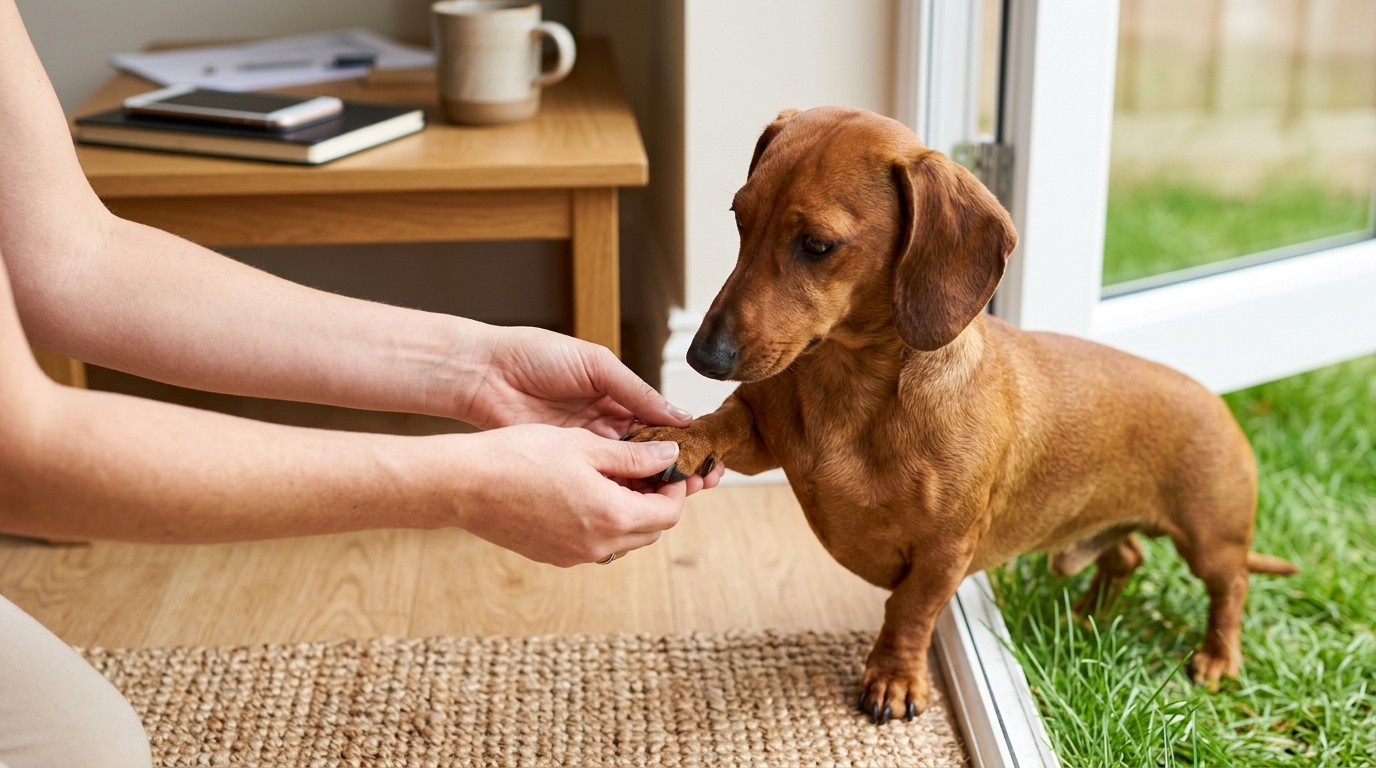
Broken or Bleeding Dog Nail: What to Do and How to Trim Safely
Learn how to stop dog nail bleeding fast, trim nails safely without hitting the quick, and know when a broken nail needs a same-day vet visit.
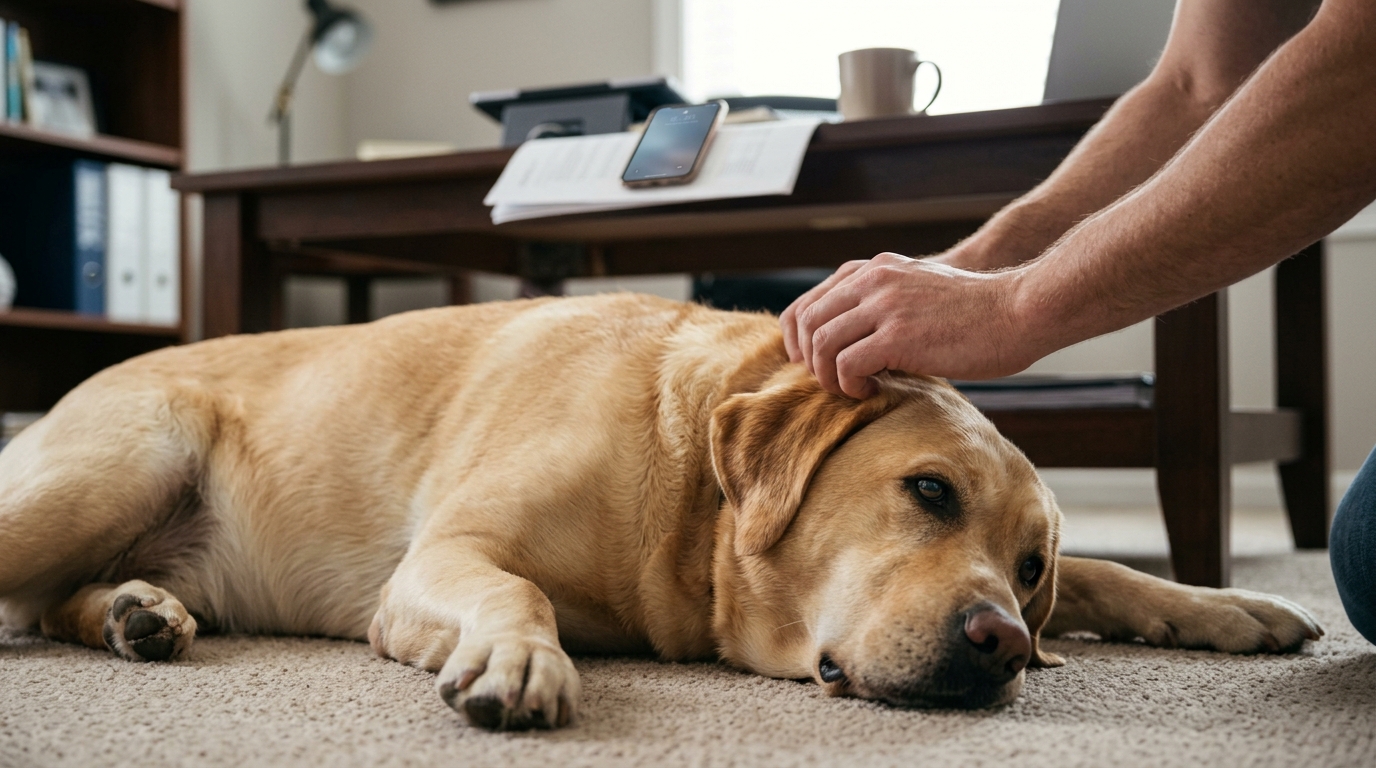
Signs and Symptoms of Ear Mites in Dogs You Shouldn't Ignore
Learn the early and advanced signs of ear mites in dogs, from head shaking to coffee-ground discharge, and when to get a vet's opinion online.
Can Humans or Cats Catch Ear Mites From Dogs?
Wondering if you or your cat can catch ear mites from your dog? Learn how Otodectes cynotis spreads between pets, the real risk to humans, and how to protect your household.