Table of Contents
Table of Contents
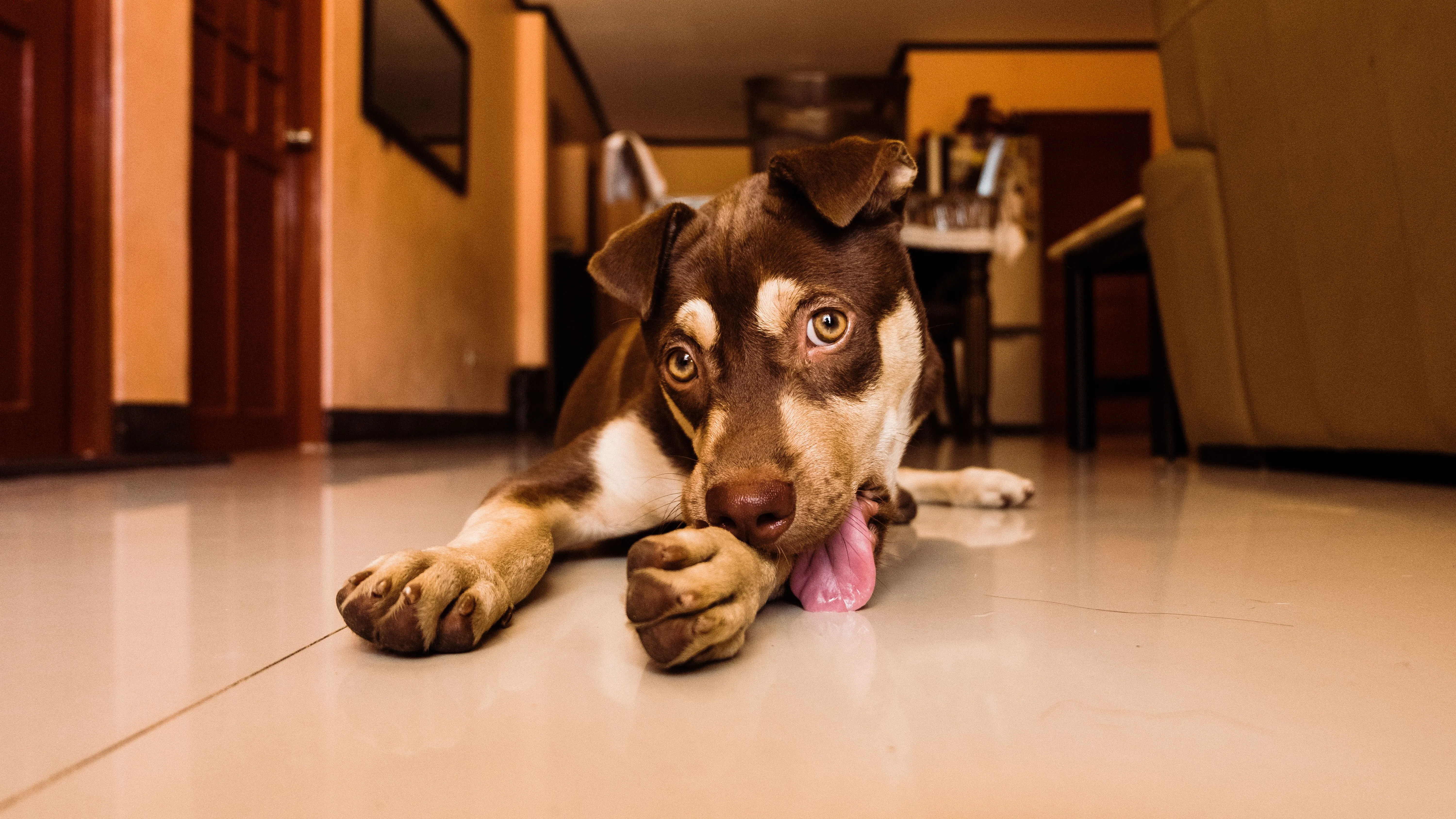
Many dogs lick their paws from time to time. Just like grooming their coat or cleaning their face, occasional paw licking is a normal part of canine behavior. However, if you've noticed your dog licking their paws constantly, chewing between their toes, or spending long periods focused on one or more paws, it may be a sign that something isn't right.
Excessive paw licking is one of the most common reasons dog owners seek veterinary advice. While some people assume the behavior is caused by boredom or anxiety, the reality is that medical issues are often responsible. Allergies, yeast infections, skin infections, parasites, injuries, and even joint pain can all cause a dog to lick their paws repeatedly in an attempt to relieve discomfort.
Over time, constant licking can make the problem worse. The repeated moisture and friction can damage the skin, creating an environment where bacteria and yeast thrive. What may start as mild irritation can eventually lead to red, swollen, painful, or even raw paws that require veterinary treatment.
According to veterinarians, allergies are among the most common causes of chronic paw licking in dogs. Dr. Micky Moppin, DVM, one of the veterinarians working with Telavets, notes that many dogs are brought in for excessive paw licking only to discover that an underlying allergy or skin condition is driving the behavior. Identifying the root cause early can help prevent secondary infections and provide faster relief for your dog.
In this guide, we'll cover 12 common reasons dogs lick their paws, how to recognize warning signs, treatment options that may help, and when it's time to contact a veterinarian.
When Is Paw Licking Normal vs. Excessive?
One of the biggest questions dog owners have is whether their dog's paw licking is actually a problem or simply normal grooming behavior. The answer often depends on how frequently the licking occurs and whether other symptoms are present.
Normal paw licking is usually occasional and brief. A dog may clean their paws after coming inside from a walk, remove dirt or debris from between their toes, or spend a few moments grooming before settling down to rest. In these situations, the behavior is infrequent and doesn't interfere with daily activities.
Excessive paw licking is different. A dog that repeatedly stops playing, eating, resting, or interacting with family members in order to lick their paws may be experiencing discomfort that needs attention. Many owners searching online for terms like "dog licking paws a lot,"dog licking paws too much," or "dog licking paws excessively" are often dealing with a problem that goes beyond normal grooming.
There are several signs that paw licking may have become excessive:
- Licking occurs multiple times throughout the day
- The dog focuses intensely on one or more paws
- The behavior interrupts sleep, play, or meals
- Fur between the toes becomes stained brown or reddish
- The paws appear red, swollen, or irritated
- The dog begins chewing or biting at the paws
- Hair loss develops around the feet
- The paws have a noticeable odor
Another important clue is whether the licking seems seasonal. Dogs with environmental allergies often experience worsening symptoms during certain times of the year when pollen, grass, or mold levels increase. Other dogs may lick year round if food allergies or chronic skin conditions are involved.
The earlier excessive paw licking is recognized, the easier it is to identify the underlying cause and prevent complications. Persistent licking should never be dismissed as simply a habit until medical causes have been properly ruled out.
12 Common Causes of Dog Paw Licking
Allergies (Most Common Cause of Paw Licking)
Allergies are considered the leading cause of chronic paw licking in dogs, and in most cases, they are the first condition veterinarians investigate. Dogs can develop allergies to a wide range of triggers, including environmental allergens like pollen, dust mites, grass, and mold, as well as food ingredients or flea bites.
When a dog's immune system overreacts to these harmless substances, it triggers inflammation in the skin. The paws are one of the most commonly affected areas because they are constantly in contact with the environment. As a result, many dogs begin licking their paws in an attempt to relieve itchiness or irritation.
You may notice that dogs with allergies tend to lick multiple paws rather than just one. The skin may appear mildly red or irritated at first, but over time, repeated licking can make the inflammation worse. This creates a cycle where itching leads to licking, and licking leads to more irritation.
Seasonal allergies often become more noticeable during spring and summer when pollen levels are high. Food allergies, on the other hand, tend to cause year round symptoms and may also be accompanied by ear infections, digestive issues, or skin flare ups in other areas of the body.
Veterinarians, including Dr. Micky Moppin at Telavets, often explain that many owners initially mistake allergy-related licking for behavioral issues like anxiety or boredom. However, in most cases, the root cause is physical discomfort rather than behavior alone. Identifying and managing the specific allergen is key to long-term relief.
Yeast Infections in Dog Paws
Yeast infections are another very common reason dogs lick their paws excessively. These infections usually occur when there is an overgrowth of yeast on the skin, often in warm, moist areas such as between the toes.
One of the most noticeable signs of a yeast infection is redness of the paws, along with persistent licking or chewing. Many dogs with this condition also develop a distinct odor that is often described as similar to corn chips or fermented bread. The skin between the toes may look greasy, inflamed, or slightly thickened.
Yeast infections are not typically the primary problem but rather a secondary issue. They often develop when the skin barrier has already been weakened by allergies, moisture, or repeated licking. As the dog continues to lick, the moisture and warmth create an ideal environment for yeast to multiply, making the irritation worse.
In many cases, owners searching for "dog licking paws red" or "yeast infection dog licking paws red" are actually seeing this type of secondary infection. Without proper treatment, the condition can become chronic and very uncomfortable for the dog.
Treatment usually involves addressing both the infection and the underlying cause. Veterinary care may include antifungal medications, medicated wipes or shampoos, and guidance on preventing moisture buildup in the paws. Simply cleaning the paws at home may provide temporary relief, but it is rarely enough to resolve the issue completely if the infection is already established.
Bacterial Skin Infections
Bacterial skin infections are a common complication of chronic paw licking in dogs. In many cases, the infection does not start the problem but develops after another issue, such as allergies, injuries, or yeast overgrowth, weakens the skin barrier. Once the skin becomes irritated or broken, bacteria can easily multiply and worsen inflammation.
Dogs with bacterial infections in their paws often show noticeable redness, swelling, and discomfort. The affected area may feel warm, and in some cases, there may be discharge or a foul odor. As the infection progresses, the dog may begin licking or chewing more intensely, which further damages the skin and delays healing.
Many pet owners searching for terms like "dog licking paws red" or "dog licking paws raw" are often dealing with bacterial complications that have developed over time. The licking itself becomes part of the problem because it introduces moisture and bacteria while preventing the skin from recovering.
Veterinarians usually diagnose bacterial infections through a physical exam and, in some cases, skin cytology tests to identify the type of bacteria involved. Treatment typically involves topical or oral antibiotics, along with medicated shampoos or wipes to reduce surface bacteria.
However, addressing the infection alone is not enough. Without treating the underlying cause such as allergies or irritants the infection is likely to return. This is why a complete treatment approach is essential for long term improvement.
Fleas, Mites, and Other Parasites
Parasites are another important but often overlooked cause of excessive paw licking in dogs. Fleas, mites, and other external parasites can cause significant itching and discomfort, leading dogs to focus their licking on the paws and lower legs.
Flea allergy dermatitis, in particular, can cause severe itching even from a single flea bite. Dogs affected by this condition may not only lick their paws but also scratch other parts of their body, such as the belly, tail base, and thighs. The irritation can become intense enough to cause redness, hair loss, and secondary skin infections.
Mites, such as those that cause mange, can also lead to persistent itching and paw irritation. These microscopic parasites burrow into the skin or live on its surface, triggering inflammation and discomfort that often prompts constant licking.
Unlike allergies or infections that may develop gradually, parasite related itching can sometimes appear suddenly and worsen quickly. Dogs may become restless, visibly uncomfortable, and focused on specific areas of their body, especially the paws.
Preventing parasite infestations through regular flea and tick control is one of the most effective ways to reduce this cause of paw licking. Once identified, treatment typically involves parasite specific medications along with supportive care to soothe irritated skin and prevent secondary infections.
Injury or Foreign Objects in the Paw
Not all cases of paw licking are caused by internal or chronic conditions. In many dogs, the problem starts with a simple injury or something stuck in the paw. Small cuts, broken nails, splinters, or foreign objects like grass seeds can quickly lead to discomfort and repeated licking.
Dogs are highly sensitive to pain in their paws because they rely on them for movement and balance. Even a tiny object lodged between the toes can cause enough irritation to trigger constant licking. In some cases, owners may not immediately notice the injury, especially if the dog is licking before any visible swelling or redness develops.
Over time, repeated licking can make the area worse. What starts as a minor irritation can progress into inflammation, swelling, and even infection. This is why many dogs with injuries begin showing symptoms that resemble more serious skin conditions.
It is also common for dogs to develop localized licking in just one paw when an injury is present, unlike allergies which often affect multiple paws. Careful inspection of the paw pads, nails, and spaces between toes is important when trying to identify the cause.
If a foreign object is suspected, removing it safely and cleaning the area is essential. However, deeper punctures or persistent pain should always be evaluated by a veterinarian to prevent complications.
Dry Skin and Irritated Paw Pads
Dry skin is another frequent but often underestimated cause of paw licking in dogs. Environmental factors such as cold weather, hot pavement, low humidity, and exposure to harsh cleaning chemicals can all contribute to dryness and irritation in the paw pads.
When the skin becomes dry or cracked, dogs may begin licking their paws in an attempt to soothe the discomfort. Unfortunately, saliva does not help the condition and can sometimes make the irritation worse over time.
Dogs living in urban environments are especially prone to paw pad irritation due to exposure to rough surfaces, de-icing salts in winter, or heated indoor environments that reduce moisture in the air. Similarly, frequent bathing with harsh shampoos can strip natural oils from the skin, leading to increased dryness.
Affected paws may appear rough, flaky, or slightly cracked. While this condition is usually mild at first, continued licking can lead to inflammation or secondary infections if the skin barrier becomes compromised.
In many cases, improving paw care routines such as wiping paws after walks, using pet-safe moisturizers, and avoiding irritants can significantly reduce symptoms. However, persistent dryness combined with redness or swelling should be assessed by a veterinarian to rule out underlying medical conditions.
Contact Dermatitis
Contact dermatitis occurs when a dog's paws react to something they have touched in their environment. This is a form of skin irritation caused by direct exposure to irritants such as cleaning chemicals, lawn fertilizers, pesticides, soaps, detergents, or even certain types of grass.
Unlike allergies that are triggered by the immune system over time, contact dermatitis is often more immediate. Dogs may suddenly start licking their paws after walking on a treated lawn or a recently cleaned floor. The irritation is usually localized to the areas that came into direct contact with the substance.
Common signs include redness between the toes, mild swelling, and increased licking or chewing shortly after exposure. In more sensitive dogs, the skin may appear inflamed or slightly moist due to constant licking.
Many pet owners confuse contact dermatitis with allergies or infections because the symptoms can look similar. However, the key difference is the clear link between exposure and symptom onset. Identifying and removing the irritant is often the most important step in treatment.
Washing the paws gently with clean water after walks can help remove irritants before they cause further inflammation. In more persistent cases, veterinarians may recommend anti inflammatory treatments or medicated products to calm the skin.
Pain, Arthritis, and Joint Problems
Not all paw licking is caused by skin-related issues. In some dogs, the behavior is linked to pain or discomfort deeper within the joints, bones, or muscles. Conditions such as arthritis, hip dysplasia, or minor injuries can sometimes lead to excessive licking of the paws or surrounding areas.
Dogs experiencing joint pain may lick the area not because the paw itself is irritated, but because the sensation of discomfort radiates along the leg. This is more commonly seen in older dogs, although younger dogs with injuries or orthopedic conditions can also be affected.
Unlike allergies or infections, pain-related licking may not always be accompanied by visible skin changes. Instead, pet owners may notice stiffness, reluctance to walk or climb stairs, or changes in activity levels alongside the licking behavior.
In some cases, licking may be more noticeable after periods of rest or activity, when joint stiffness increases. Dogs may also favor one limb over others, depending on where the discomfort is located.
Veterinarians often assess mobility, joint flexibility, and pain response during physical examination to determine whether musculoskeletal issues are contributing to paw licking. Treatment may include pain relief medication, weight management, supplements, or physical therapy depending on the diagnosis.
Anxiety and Stress
Although less common than medical causes, anxiety and stress can sometimes contribute to excessive paw licking in dogs. In these cases, the behavior is not driven by physical irritation but rather by emotional or psychological triggers.
Dogs may lick their paws as a self-soothing behavior when they feel anxious, bored, or overstimulated. The repetitive action can temporarily release calming endorphins, which may reinforce the habit over time. This is why paw licking can sometimes become a compulsive behavior if the underlying stress is not addressed.
Stress-related licking is often seen in situations such as separation anxiety, changes in routine, moving to a new home, or lack of mental stimulation. Dogs that spend long hours alone or do not receive enough exercise may also develop repetitive behaviors like licking.
Unlike allergies or infections, anxiety-related paw licking may start on normal-looking skin without redness or visible irritation. However, over time, constant licking can still lead to inflammation, hair loss, or secondary infections, making it harder to distinguish from medical causes.
It is important to note that anxiety is usually considered only after medical issues have been ruled out. Veterinarians typically first investigate allergies, infections, pain, and other physical causes before concluding that behavior may be the primary driver.
Food Sensitivities
Food sensitivities are another potential cause of chronic paw licking in dogs. While not as immediately obvious as environmental allergies, dietary reactions can lead to persistent skin irritation and itching, especially around the paws, ears, and face.
Dogs with food sensitivities may react to specific proteins such as chicken, beef, dairy, or grains. When the immune system reacts negatively to these ingredients, it can cause inflammation that often presents as itchy skin. The paws are frequently affected because dogs tend to lick areas that feel irritated or uncomfortable.
Unlike seasonal allergies, food-related skin issues tend to occur year-round and do not typically improve with changes in environment. Owners may notice ongoing licking, recurrent ear infections, or skin flare-ups that do not respond fully to basic treatments.
Identifying food sensitivities often requires a strict elimination diet under veterinary supervision. This process helps determine which ingredient is causing the reaction by gradually removing and reintroducing specific foods.
Without proper diagnosis, food sensitivities can easily be mistaken for other skin conditions, leading to ongoing discomfort for the dog. Early identification and dietary management are key to reducing symptoms and preventing chronic paw licking.
Hormonal and Underlying Health Conditions
In some cases, excessive paw licking in dogs is linked to underlying hormonal or systemic health conditions. These are less common than allergies or infections, but they can play an important role in chronic or recurring symptoms that do not fully improve with standard treatments.
Conditions such as hypothyroidism or Cushing's disease can affect the skin’s overall health, leading to dryness, thinning of the coat, and increased susceptibility to irritation. When the skin barrier becomes weak, dogs may start licking their paws more frequently due to discomfort or secondary skin infections.
Because these conditions affect the entire body, paw licking is often just one of several symptoms. Dog owners may also notice weight changes, reduced energy levels, hair loss, or changes in appetite alongside the licking behavior.
In some cases, immune-mediated diseases can also contribute to skin inflammation. These conditions occur when the immune system mistakenly attacks healthy tissues, leading to chronic irritation and discomfort that may affect the paws.
Veterinarians typically investigate hormonal or systemic causes when paw licking is persistent, affects multiple areas of the body, or does not respond to allergy or infection treatment. Blood tests and diagnostic screening are often required to confirm these conditions.
Early diagnosis is important because treating the underlying disease often significantly improves skin health and reduces paw licking over time.
Paw Pad Burns or Environmental Damage
Paw pad burns and environmental damage are another important but often overlooked cause of paw licking in dogs. The paw pads are designed to be durable, but they are still vulnerable to extreme surfaces and harsh environmental conditions.
During hot weather, pavement, sand, and asphalt can become extremely hot and cause thermal burns on a dog's paws. Similarly, in colder climates, ice, snow, and de-icing chemicals can irritate or damage the skin, leading to discomfort and persistent licking.
Dogs affected by paw pad burns may suddenly begin licking or holding up their paws after walks. The affected pads may appear red, swollen, or even cracked in more severe cases. Because the discomfort can be significant, dogs may continue licking in an attempt to soothe the pain, which can delay healing.
Chemical exposure from cleaning agents, road salt, or fertilizers can also cause irritation similar to burns. Even mild exposure can lead to inflammation, especially in dogs with sensitive skin.
Preventing environmental damage involves being mindful of walking surfaces and conditions. Limiting exposure during extreme temperatures, rinsing paws after walks, and using protective paw balms can help reduce risk. If severe damage is suspected, veterinary care is important to prevent infection and promote proper healing.
Dog Licking Paws Red: What Does It Mean?
When a dog's paws appear red along with frequent licking, it usually indicates inflammation of the skin. This redness is not a condition on its own but rather a visible sign that something is irritating or damaging the area.
In many cases, red paws are associated with allergies, especially environmental or food-related triggers. The constant immune response causes the skin to become inflamed, itchy, and uncomfortable, leading the dog to lick even more in an attempt to relieve the sensation. Over time, this cycle of irritation and licking makes the redness more pronounced.
Redness can also be caused by infections. Yeast and bacterial infections are especially common in dogs that already lick their paws excessively. The warm, moist environment created by licking allows microorganisms to multiply, which worsens inflammation and leads to deeper redness between the toes and paw pads.
In some dogs, redness may result from contact with irritants such as cleaning chemicals, grass fertilizers, or rough surfaces. In these cases, symptoms may appear suddenly after exposure and may improve once the irritant is removed.
Because red paws can result from multiple underlying causes, it is important not to treat the symptom alone. Identifying the reason behind the inflammation is essential for long-term relief and preventing recurrence.
Dog Licking Paws Raw: Why It Happens
When paw licking becomes severe and persistent, it can lead to raw, damaged skin. This happens when a dog repeatedly licks or chews the same area over time, breaking down the natural protective barrier of the skin.
Once the skin becomes raw, it is more vulnerable to pain, infection, and further irritation. Many dogs continue licking even after the skin is damaged because the area remains uncomfortable, creating a worsening cycle of injury and inflammation.
Raw paws are often the result of untreated or long standing conditions such as allergies, infections, or parasites. In some cases, anxiety or compulsive behavior can also contribute, but this is usually considered only after medical causes have been ruled out.
Dogs with raw paws may show obvious signs of discomfort. The affected area may appear moist, hairless, or visibly inflamed. In more severe cases, there may be bleeding, scabbing, or a foul odor indicating secondary infection.
At this stage, veterinary care is strongly recommended. Treatment may involve medicated creams, antibiotics or antifungals, anti-itch medication, and protective measures to prevent further licking. Without intervention, raw paws can take longer to heal and may continue to recur if the underlying cause is not addressed.
How Veterinarians Diagnose Excessive Paw Licking
When a dog is licking its paws excessively, veterinarians focus on identifying the underlying cause rather than just treating the symptom. Since paw licking can be linked to multiple conditions, a step-by-step diagnostic approach is usually required.
The first step is a detailed medical history. A veterinarian will ask when the licking started, whether it affects one paw or multiple paws, and if there are any patterns such as seasonal flare-ups or worsening after walks. Information about diet changes, environment, grooming products, and flea prevention is also important.
A physical examination of the paws helps identify visible signs such as redness, swelling, discharge, odor, foreign objects, or hair loss. In many cases, the appearance of the paws provides strong clues about whether the issue is related to allergies, infection, injury, or parasites.
Depending on initial findings, veterinarians may recommend additional tests. Skin cytology is commonly used to check for bacterial or yeast infections. If parasites are suspected, flea combing or skin scrapings may be performed. In cases where allergies are suspected, an elimination diet or allergy testing may be suggested to identify triggers.
If pain is suspected, especially in older dogs, a musculoskeletal examination may be performed to check for joint issues or hidden injuries. In more complex or chronic cases, multiple diagnostic steps may be required before reaching a clear diagnosis.
Veterinarians emphasize that diagnosing paw licking often requires ruling out several conditions one by one. This is why early consultation is important, especially when symptoms persist or worsen over time.
Dog Licking Paws Treatment
Treatment for excessive paw licking depends entirely on the underlying cause, which is why accurate diagnosis is essential before starting any medication or home remedy. Once the cause is identified, treatment is usually very effective and leads to significant improvement.
If allergies are the cause, treatment may include anti-inflammatory medications, antihistamines, or prescription therapies that reduce itching. Long term management may also involve avoiding known triggers, using hypoallergenic diets, and maintaining regular flea control.
For yeast or bacterial infections, veterinarians typically prescribe antifungal or antibiotic treatments, depending on the type of infection present. Medicated shampoos, wipes, or sprays may also be recommended to help control microbial growth on the skin and prevent recurrence.
When parasites such as fleas or mites are involved, targeted parasite control medications are used. These treatments are often combined with environmental cleaning to prevent reinfestation.
If pain or joint issues are contributing to paw licking, treatment focuses on managing discomfort through pain relief medications, supplements, or physical therapy. In some cases, weight management or lifestyle adjustments may also be recommended to reduce strain on the joints.
For anxiety related licking, treatment may include behavior modification strategies, environmental enrichment, and in some cases, medication prescribed by a veterinarian. However, behavioral causes are considered only after medical issues have been ruled out.
Across all cases, veterinarians stress the importance of preventing the licking cycle itself. Protective collars or paw coverings may be used temporarily to allow the skin to heal while treatment takes effect.
Dog Licking Paws Remedies at Home
In mild cases of paw licking, especially when symptoms are just starting, some home care strategies can help reduce discomfort and prevent the condition from getting worse. However, it is important to understand that home remedies are supportive only and should not replace veterinary care if symptoms persist or worsen.
One of the most effective first steps is cleaning your dog’s paws after walks. This helps remove allergens, irritants, or chemicals such as pollen, dust, or lawn treatments that may be triggering inflammation. Using plain lukewarm water or a vet-safe paw wipe is usually enough.
Keeping the paws dry is equally important. Moist environments between the toes can encourage yeast and bacterial growth, which can worsen licking behavior. After washing or outdoor exposure, gently drying the paws helps reduce this risk.
Preventing access to the affected paw may also help break the licking cycle. In some cases, using an Elizabethan collar or protective booties can give the skin time to heal without further irritation.
Some dog owners also try paw balms or moisturizers designed specifically for pets. These can help soothe dry or irritated skin, but they should be used carefully and only with pet safe products.
It is important to avoid common human remedies such as essential oils, hydrogen peroxide, or medicated creams not approved for dogs, as these can worsen irritation or even be toxic if licked.
If the underlying cause is not addressed, symptoms are likely to return even if home care provides temporary relief. That is why persistent paw licking should always be evaluated by a veterinarian.
When Should You See a Vet?
While occasional paw licking is normal, there are clear situations where veterinary attention is necessary. If your dog is licking their paws frequently throughout the day or the behavior is getting worse over time, it is important to investigate the underlying cause.
You should contact a veterinarian if you notice any of the following signs:
- Red, swollen, or raw paws
- Bleeding or open sores
- Persistent licking that disrupts sleep or daily activity
- Foul odor coming from the paws
- Limping or signs of pain
- Dark staining or discharge between toes
- No improvement after a few days of home care
Puppies, senior dogs, and dogs with existing health conditions should be evaluated sooner, as they are more vulnerable to complications from infections or untreated allergies.
Early diagnosis not only helps relieve your dog’s discomfort faster but also prevents secondary infections and chronic skin damage.
How Telavets Can Help
Telavets provides convenient online veterinary consultations for pet owners who are concerned about symptoms like excessive paw licking. Instead of waiting days for an in-clinic appointment, you can connect with a licensed veterinarian from home and get guidance quickly.
Through Telavets virtual vet appointments, veterinarians can assess your dog’s symptoms, review photos of the affected paws, and help determine the most likely cause of the problem. This is especially helpful for conditions like allergies, yeast infections, and mild skin irritations where early treatment can make a big difference.
In many cases, Telavets veterinarians can also provide same-day prescriptions when medically appropriate, helping start treatment without delay. This ensures your dog gets relief faster while also reducing the risk of the condition worsening.
Whether your dog is dealing with sudden paw licking, redness, or suspected infection, Telavets makes it easier to get professional veterinary guidance when you need it most.
Frequently Asked Questions
Why is my dog licking its paws so much?
Excessive paw licking is usually caused by allergies, skin infections, parasites, injuries, or irritation. In rare cases, anxiety or stress may also contribute.
Why are my dog's paws red from licking?
Red paws often indicate inflammation caused by allergies, infections, or constant licking that damages the skin barrier.
Can allergies cause dogs to lick their paws?
Yes, allergies are one of the most common causes of chronic paw licking in dogs.
What does a yeast infection on dog paws look like?
Yeast infections often cause red, itchy, smelly paws with brown discoloration between the toes.
How do I stop my dog from licking its paws?
The most effective way is to identify and treat the underlying cause with veterinary guidance. Home care may help temporarily, but persistent licking needs medical attention.
Is paw licking ever normal?
Yes, occasional licking is normal grooming behavior. It becomes a concern when it is frequent, persistent, or causes visible irritation.
Conclusion
If your dog is licking its paws frequently, it is usually a sign that something is irritating or uncomfortable rather than a harmless habit. Common causes include allergies, yeast or bacterial infections, parasites, injuries, or environmental irritants. In some cases, pain or behavioral factors may also play a role.
Because continued licking can quickly lead to red, raw, and infected paws, early attention is important. Identifying the root cause is the key to effective treatment and long term relief.
If you are unsure why your dog is licking its paws, Telavets offers online veterinary consultations to help you understand the cause and guide you toward the right treatment plan. With access to licensed veterinarians and same-day prescription support where appropriate, you can take quick action to protect your dog's comfort and health.
Reviewed by: Dr. Micky Moppin, DVM
Date: June 23, 2026
Related Articles

Dog Dry Cough Followed by Gagging: What It Means
Wondering why your dog has a dry cough followed by gagging? Learn the common causes, red flags, and when to get a licensed vet's opinion online with TelaVets.

Dog Coughing and Heart Disease: Warning Signs Owners Shouldn't Ignore
Learn how dog coughing and heart disease can be connected, which breeds are at higher risk, and when a cardiac cough needs urgent veterinary attention.
Kennel Cough in Dogs: Symptoms, Contagious Period & Treatment
Learn how to recognize kennel cough in dogs, how long it stays contagious, and what treatment usually involves. Reviewed guidance from a licensed veterinarian.