Table of Contents
Table of Contents
Short Answer
Watery eyes in a chicken are usually caused by simple irritation from dust or ammonia buildup, or by a respiratory infection such as infectious coryza, mycoplasmosis, or a viral illness like infectious bronchitis. Mild tearing that clears up once the coop is cleaned and better ventilated generally is not an emergency. Bubbly discharge, facial swelling, crusted eyelids, or any change in breathing should be checked the same day, because chickens are prey animals that hide illness well and can decline faster than they let on.
Medically reviewed by Dr. Mickey, DVM, who has 19 years of clinical experience treating backyard poultry and companion animals.
Why Chickens Get Watery or Bubbly Eyes
A chicken's eye tears for the same basic reason a human eye does. It is trying to flush out something irritating or responding to inflammation somewhere nearby. In backyard flocks, that irritant can be nothing more than blowing dust, pollen, or a stray piece of bedding caught under the eyelid. But in poultry, watery or bubbly eyes are also one of the earliest visible signs of an upper respiratory problem, often showing up before a bird looks sick in any other way.
What makes this symptom tricky is that it rarely stays isolated for long if an infection is behind it. A single watery eye today can turn into nasal discharge, sneezing, or a swollen face within a day or two. That progression is exactly why owners are wise to pay close attention rather than assume it will pass on its own, and it is part of the broader picture covered in chicken respiratory problems like sneezing and coughing.
Common Causes Behind Watery Eyes in Backyard Flocks
Several conditions can produce eye discharge in chickens, ranging from easily fixed to medically serious. Infectious coryza is one of the more common bacterial causes, and it often brings swelling under one or both eyes along with a foul, musty odor to the discharge. Mycoplasma gallisepticum, sometimes called chronic respiratory disease, tends to cause sinus swelling and bubbling around the eyes, and it can flare up repeatedly over a bird's lifetime, especially during stress, temperature swings, or after a move to a new coop.
Viral illnesses such as Newcastle disease and infectious bronchitis can also cause watery eyes, usually alongside broader flock impact like a drop in egg production or several birds getting sick around the same time. According to the Merck Veterinary Manual, both mycoplasmosis and infectious coryza are well documented causes of ocular and respiratory signs in commercial and backyard poultry alike, which is part of why a thorough history matters when narrowing down the cause.
On the less alarming end, ammonia buildup from wet or dirty bedding is a frequent culprit, since ammonia fumes irritate the mucous membranes of the eyes and respiratory tract over time. Dust, pollen, and foreign debris cause similar but usually short-lived irritation. Vitamin A deficiency is a less common but real contributor too, since inadequate diets can affect eye tissue health gradually rather than suddenly, and it is worth mentioning to a vet if a flock is on a homemade or unbalanced diet.
Watery eyes are one of those symptoms that can mean almost nothing or almost everything. I always ask owners about the coop's bedding and ventilation first, because ammonia irritation is so common and so fixable, but I don't rule out coryza or mycoplasma until I've heard about the rest of the bird's symptoms.
Symptoms That Often Accompany Watery Eyes
Watery eyes are rarely the whole story, and the symptoms that show up alongside them help point toward a cause. Owners should watch for facial swelling under one or both eyes, nasal discharge, sneezing, or a rattling sound during breathing. A drop in appetite, general lethargy, or a noticeable dip in egg production can signal that the issue is affecting the whole bird rather than just the eye. Crusting around the eyelids, or an eye that stays partly closed, is also worth noting since it often means discharge has been present for a while.
- Swelling around the face or under the eye
- Nasal discharge, sneezing, or rattling breath sounds
- Reduced appetite, lethargy, or fewer eggs
- Crusting or an eye that will not open fully
If any of these appear together, it is worth reviewing related symptoms like why your chicken might have a runny nose or why your chicken is sneezing, since the combination often tells a vet more than any single sign alone.
When Watery Eyes Signal a Flock-Wide Risk
Some of the conditions linked to watery eyes spread easily between birds. Coryza and mycoplasma in particular can move quickly through a flock sharing a coop, run, or waterer, which is part of why a single sick bird deserves prompt attention rather than a wait-and-see approach. New birds brought into a flock without a proper quarantine period are a common source of outbreaks, since a bird can carry mycoplasma without showing obvious symptoms right away.
Separating the affected bird from the rest of the flock while you arrange an evaluation is a reasonable precaution. It will not guarantee the others stay healthy if the cause is already circulating, but it lowers the chances of a mild situation becoming a flock-wide problem.
Home Care Steps While You Arrange a Vet Visit
There are a few safe things owners can do at home while waiting on a professional opinion. None of these steps replace a diagnosis, but they can make the bird more comfortable and limit spread.
- Move the affected bird to a clean, dry, well-ventilated space away from dusty bedding and ammonia fumes.
- Gently wipe away discharge with a warm, damp cloth if the bird tolerates handling, without forcing the eye open.
- Keep the bird isolated from flockmates until a cause has been identified.
- Avoid starting antibiotics or over-the-counter eye medications on your own, since the wrong product can mask symptoms without treating the actual problem.
That last point matters more than it might seem. Treating the wrong condition, or under-treating the right one, can let an infection progress quietly while appearing to improve on the surface.
I see a lot of well-meaning owners who try a home remedy first and lose valuable time if it turns out to be coryza or mycoplasma. A quick video visit early on often means a simpler treatment plan than waiting until the bird is visibly worse.
Red Flags That Need Same-Day Veterinary Attention
Certain signs mean the situation has moved beyond simple irritation and needs prompt evaluation.
- Facial swelling, especially under one or both eyes
- Difficulty breathing, open-mouth breathing, or audible gurgling, similar to what is described in chicken breathing with an open mouth and chicken making gurgling sounds
- Green, yellow, or foul-smelling discharge from the eyes or nose
- Sudden lethargy, refusal to eat or drink, or several birds affected at once
Any of these warrant getting the bird seen the same day rather than waiting to see if things improve.
How a Telehealth Vet Visit Helps With Chicken Eye Issues
A licensed veterinarian can review the bird's symptoms over video, ask about the coop's environment, bedding, ventilation, and flock history, and help narrow down whether the cause is likely environmental or infectious. TelaVets offers flat $65 video visits for chickens across all 50 states, with same-day, night, and weekend appointments available for cases that cannot wait for a local clinic opening. Appointments are conducted over Google Meet with a licensed veterinarian, not a vet tech or chatbot, and you can book a visit online in a few minutes.
When treatment is medically appropriate, a prescription can be sent the same day to a local or online pharmacy, which is especially useful for owners in rural areas without easy access to a poultry vet. For a broader look at causes and treatment paths, the chicken respiratory treatment options page and the chicken treatment options hub cover related conditions in more depth. Occasionally chronic eye irritation is tied to internal parasites rather than infection, in which case the chicken parasite treatment page is a useful next step, and digestive issues that sometimes accompany respiratory illness are covered on the crop issues page.
Related Chicken Respiratory Symptoms to Watch For
Watery eyes rarely travel alone. They often show up alongside sneezing, coughing, gurgling, or nasal discharge, and describing the full combination to a vet makes it much easier to reach an accurate assessment. If your bird is also coughing, it is worth reading why your chicken is coughing for a fuller picture of what that symptom means on its own and in combination with eye discharge. Understanding how these signs overlap is part of what makes early evaluation more useful than waiting for a single dramatic symptom to appear, and it ties back to the broader overview in chicken respiratory problems like sneezing and coughing.
Frequently Asked Questions
Can watery eyes in chickens go away on their own?
Mild irritation from dust or ammonia can improve once the coop is cleaned and better ventilated. Discharge tied to an underlying infection, though, usually will not resolve without addressing the actual cause, and may look temporarily better before worsening again.
Is chicken eye discharge contagious to other chickens?
It can be. Infectious coryza and mycoplasma both spread readily between birds that share a coop, run, or water source, so isolating the affected bird is a reasonable precaution while the cause is being confirmed.
Can I use human eye drops on my chicken?
Human eye products are not formulated for poultry and should not be used without veterinary guidance. Some ingredients may be inappropriate for the bird's condition or simply ineffective against the underlying cause.
Why does only one chicken in my flock have watery eyes?
A single affected bird can point to an early-stage infection, a localized irritant, or a minor injury. It is still worth watching closely, since many flock illnesses start with one bird before spreading.
Does watery eyes always mean my chicken has a respiratory disease?
Not always. Dust, wind, ammonia fumes, or minor debris can cause temporary tearing without any underlying disease. That said, discharge that persists or worsens over a day or two deserves a closer look.
This article is for general education and is not a substitute for an individualized veterinary exam. If your bird shows facial swelling, breathing difficulty, or sudden lethargy, seek same-day veterinary evaluation rather than waiting.
Sources
Related Articles
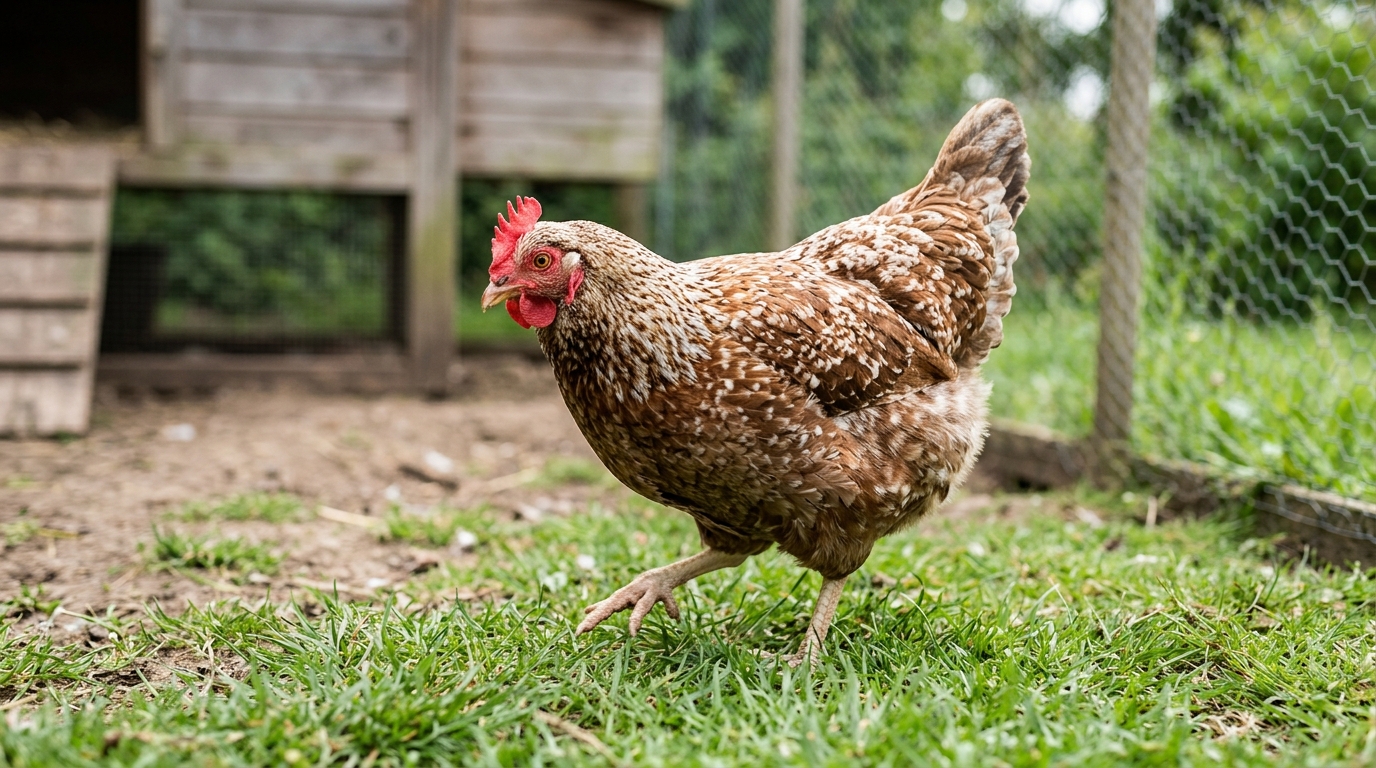
Why Is My Chicken Sneezing? Causes and When to Call a Vet
Chicken sneezing can be harmless dust irritation or an early sign of respiratory illness. Learn the difference and when to book a same-day virtual vet visit.
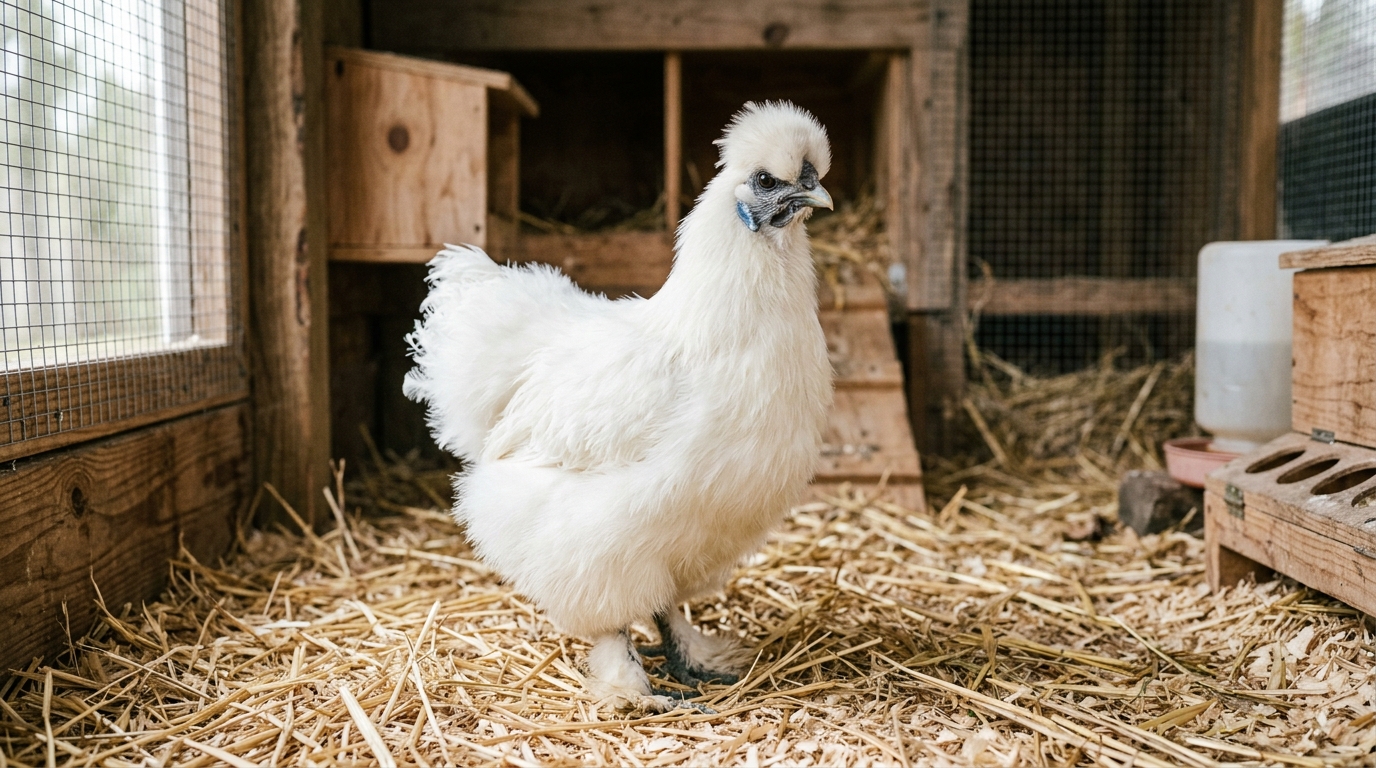
Why Is My Chicken Coughing? Causes, Warning Signs, and What to Do
Chicken coughing can signal dust irritation or a respiratory infection like mycoplasma. Learn the causes, warning signs, and when to book a same-day online vet visit.
Chicken Making Gurgling Sounds: What It Means and When to Worry
Chicken making gurgling sounds? Learn the common crop, respiratory, and parasite causes, red flags to watch for, and when to get vet help fast.