Table of Contents
Table of Contents
Short Answer
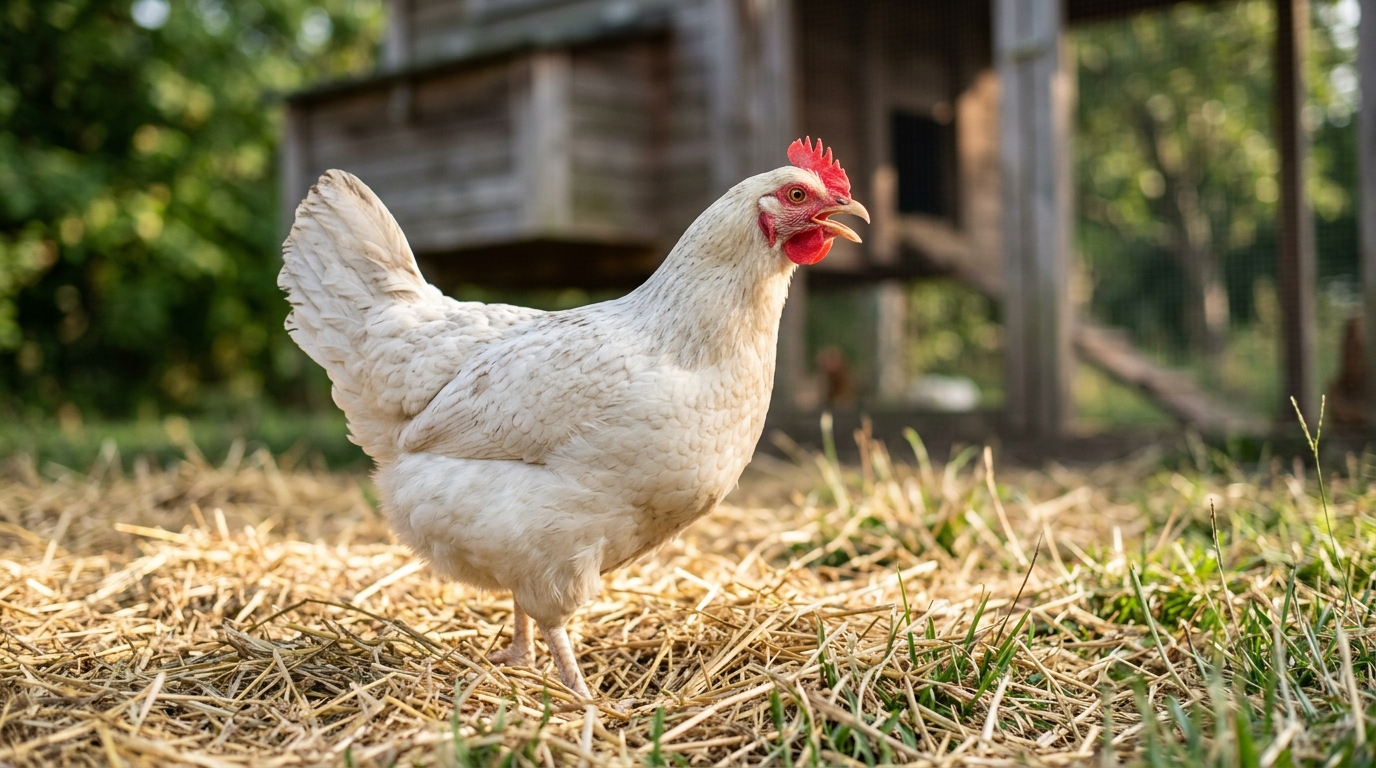
A chicken breathing with its mouth open is often just panting, a normal way for birds to cool off after heat, exertion, or a stressful moment like being chased or carried. It can also point to a respiratory infection, an impacted crop pressing on the airway, or in rare cases a parasite like gapeworm. The key is how quickly it resolves and whether other symptoms show up alongside it. If open-mouth breathing continues once your chicken is calm, shaded, and cool, or if you notice discharge, gasping, or lethargy, it is time to have a vet take a look.
Medically reviewed by Dr. Brandond Dever, DVM, who has practiced veterinary medicine for over 20 years.
Why Chickens Open Their Beaks to Breathe
Chickens do not have sweat glands, so they cannot cool down the way humans do. Instead, they rely on respiration to shed excess body heat, and panting is one of their main tools for doing that. When a hen or rooster opens its beak and breathes quickly and shallowly, it increases evaporative heat loss through the moist tissues of the mouth and upper airway. This is a normal physiological response, not unlike a dog panting on a warm afternoon.
You will typically see this behavior on hot, humid days, after a bird has been chasing flock mates, following a startle response like a hawk shadow overhead, or right after being picked up and carried. In most of these situations, panting eases within a few minutes once the chicken settles down, finds shade, or gets access to cool water. If your bird returns to normal closed-beak breathing shortly after the trigger passes, that is a reassuring sign rather than a red flag.
When Open-Mouth Breathing Points to Heat Stress
Heat stress is one of the more common and preventable reasons chickens breathe with their beaks open, especially during summer months or in poorly ventilated coops. Along with panting, watch for wings held slightly away from the body, a pale or dull comb, reduced appetite, and general lethargy. Heavier breeds and meat-type birds tend to struggle more in the heat than lighter, more heat-tolerant breeds, so they deserve extra attention when temperatures climb.
If you suspect heat stress, move the bird to shade immediately and offer cool, not ice-cold, water. Improving airflow around the coop, wetting the feet and comb with cool water, and reducing handling can help bring body temperature down. These steps usually produce noticeable improvement within fifteen to twenty minutes. Left unaddressed, heat stress can progress to heat stroke, a true emergency involving collapse, seizure-like activity, or unresponsiveness. That situation needs urgent veterinary guidance rather than home management alone.
When It Signals a Respiratory Problem Instead
Open-mouth breathing that continues after your chicken has cooled down, or that happens in mild weather with no obvious trigger, deserves a closer look. This pattern often overlaps with other chicken respiratory problems like sneezing, coughing, and labored breathing, and it rarely shows up alone. Owners frequently also notice wheezing, clicking sounds, or gurgling sounds when a chicken breathes, along with nasal or ocular discharge.
Several common poultry illnesses can cause this combination of signs. Infectious bronchitis, mycoplasma gallisepticum (often called chronic respiratory disease, or CRD), and infectious laryngotracheitis (ILT) are among the more familiar culprits in backyard flocks. These conditions can also bring on a chicken coughing or a chicken sneezing repeatedly, so it is worth reviewing those symptoms if they appear together. When more than one bird in the flock starts showing similar signs within a short window, that pattern strongly suggests a contagious respiratory illness rather than an isolated, non-infectious cause. The Merck Veterinary Manual notes that several of these respiratory pathogens spread easily between birds sharing housing and water sources, which is part of why isolating a sick bird matters even before a diagnosis is confirmed.
In my experience, the fastest way to sort out heat panting from something more concerning is to watch the timeline. A healthy bird calms down within minutes once it is shaded and hydrated. If the open-mouth breathing lingers past that window, or the comb starts looking dusky, I want to examine that bird the same day rather than wait it out.
Other Causes: Crop Problems and Airway Obstruction
Not every case of open-mouth breathing traces back to heat or a classic respiratory infection. An impacted or sour crop can enlarge enough to press against the trachea, physically making it harder for a chicken to breathe, which sometimes forces mouth breathing even in a cool, calm bird. You may also notice a visibly swollen or doughy crop area, weight loss, or a foul smell on the breath in these cases. Reviewing a runny nose in your flock alongside crop symptoms can help you and your vet build a fuller picture, since discharge and digestive issues sometimes appear together in sick birds.
Physical airway obstruction is another possibility, whether from inhaled bedding material, a mucus plug, or localized swelling inside the trachea. Gapeworm, a parasite that lodges directly in the airway, is a less common but notable cause of gasping, neck stretching, and open-beak breathing, particularly in young or free-ranging birds. These structural and parasitic causes often come with visible clues like a swollen crop, unexplained weight loss, or a bird repeatedly stretching its neck upward while gasping for air, and they typically require in-person evaluation such as crop palpation or targeted diagnostics to confirm.
Crop impactions get missed more often than people realize because owners focus entirely on the breathing and not the abdomen. If I see open-mouth breathing paired with a firm or overly full crop, that changes my whole approach to the visit, and it usually means we need hands-on assessment sooner rather than later.
Red Flags That Mean It Is Time for a Vet Visit
Most cases of panting resolve on their own with basic cooling and rest, but certain signs mean you should not wait to see how things progress. Keep an eye out for the following:
- Open-mouth breathing that continues even in cool, shaded, quiet conditions
- Tail bobbing, audible gasping, or clear effort with every breath
- A blue or purple tint to the comb or wattles
- Nasal discharge, swollen sinuses, or swelling on one side of the face
- The bird is isolating from the flock, refusing food, or seems unusually weak
If your chicken shows any of these along with mouth breathing, do not wait to see if it improves overnight. Getting a licensed veterinarian's eyes on the bird quickly gives you a much better shot at effective treatment.
What a Telehealth Visit Can and Cannot Tell You
A video visit with a licensed veterinarian lets you show real-time breathing patterns, posture, comb color, and behavior, which is often enough for a vet to help you sort out likely causes and next steps. TelaVets veterinarians can walk through your bird's history, watch how it breathes on camera, and recommend supportive care or a same-day prescription when that is medically appropriate. For issues like a suspected crop impaction, internal airway obstruction, or confirming gapeworm, the vet may recommend an in-person exam, crop palpation, or diagnostics like radiographs, since some conditions cannot be fully assessed through a screen.
What telehealth is especially good for is helping you decide, often the same day, whether your chicken needs urgent in-person care or can be safely monitored at home with guidance. That decision alone can save a lot of stress and unnecessary emergency trips. TelaVets offers a flat $65 per visit with no membership required, licensed veterinarians in all 50 states, and same-day, night, and weekend appointments through secure Google Meet video calls, which makes it a practical first step for a single flock concern rather than a recurring subscription commitment.
You can review labored breathing causes in chickens before your appointment, and explore chicken respiratory treatment options or crop impaction and sour crop treatment if those seem relevant to what you are seeing. TelaVets also maintains a full range of chicken treatment options for other backyard flock concerns.
Supportive Home Care While You Monitor Your Chicken
While you decide on next steps or wait for an appointment, a few simple actions can help keep your bird more comfortable and limit risk to the rest of the flock. Isolating the affected chicken lets you observe it closely without added flock stress and reduces the chance of spreading a contagious illness if one is present. Offer fresh, cool water and set up a quiet, shaded, low-stress space away from direct sun or drafts.
Try to limit handling to what is necessary, since extra stress can worsen breathing difficulty in a bird that is already working harder than normal. It also helps to jot down basic notes: how fast the bird is breathing, whether it is eating or drinking, and any changes in droppings. Details like nasal or eye discharge in chickens are also worth tracking closely, since eye and nasal symptoms often show up alongside breathing changes and can help a vet narrow down the cause faster during your visit.
Frequently Asked Questions
Is it normal for a chicken to breathe with its mouth open on a hot day?
Yes. Panting with an open beak is a normal cooling mechanism since chickens cannot sweat. It should ease within minutes once the bird is moved to shade, calms down, and has access to cool water.
How can I tell if my chicken is overheating versus sick?
Heat-related panting usually improves noticeably with shade, water, and cooling within about fifteen to twenty minutes. Illness-related breathing tends to persist or worsen and is often paired with discharge, lethargy, or a drop in appetite that does not resolve with cooling alone.
Can a respiratory infection spread to the rest of my flock?
Several poultry respiratory illnesses, including infectious bronchitis and mycoplasma, are known to spread between birds. Isolating a symptomatic chicken and watching the rest of the flock closely for similar signs is a reasonable precaution while you sort out what is going on.
What does gapeworm have to do with open-mouth breathing?
Gapeworm is a parasite that can lodge in a chicken's airway, causing gasping, neck stretching, and mouth breathing as the bird tries to clear its throat. It is diagnosed and treated differently than a bacterial or viral respiratory infection, so an accurate assessment matters before starting treatment.
Can TelaVets prescribe medication for my chicken over video?
A licensed TelaVets veterinarian can evaluate your chicken's symptoms over a video visit and issue a same-day prescription when it is medically appropriate. Some cases, particularly ones involving suspected crop impaction or internal airway obstruction, may still need an in-person exam or diagnostics to confirm the cause.
Sources
Merck Veterinary Manual, poultry respiratory disease overview.
Disclaimer
This article is for general educational purposes and is not a substitute for an individualized veterinary exam. Every bird and situation is different, and only a licensed veterinarian who has evaluated your chicken can provide an accurate diagnosis and treatment plan. If your chicken shows signs of severe distress, collapse, or a blue or purple comb, seek veterinary care right away through your local emergency vet or by booking a same-day TelaVets appointment if travel is not immediately possible.
Related Articles
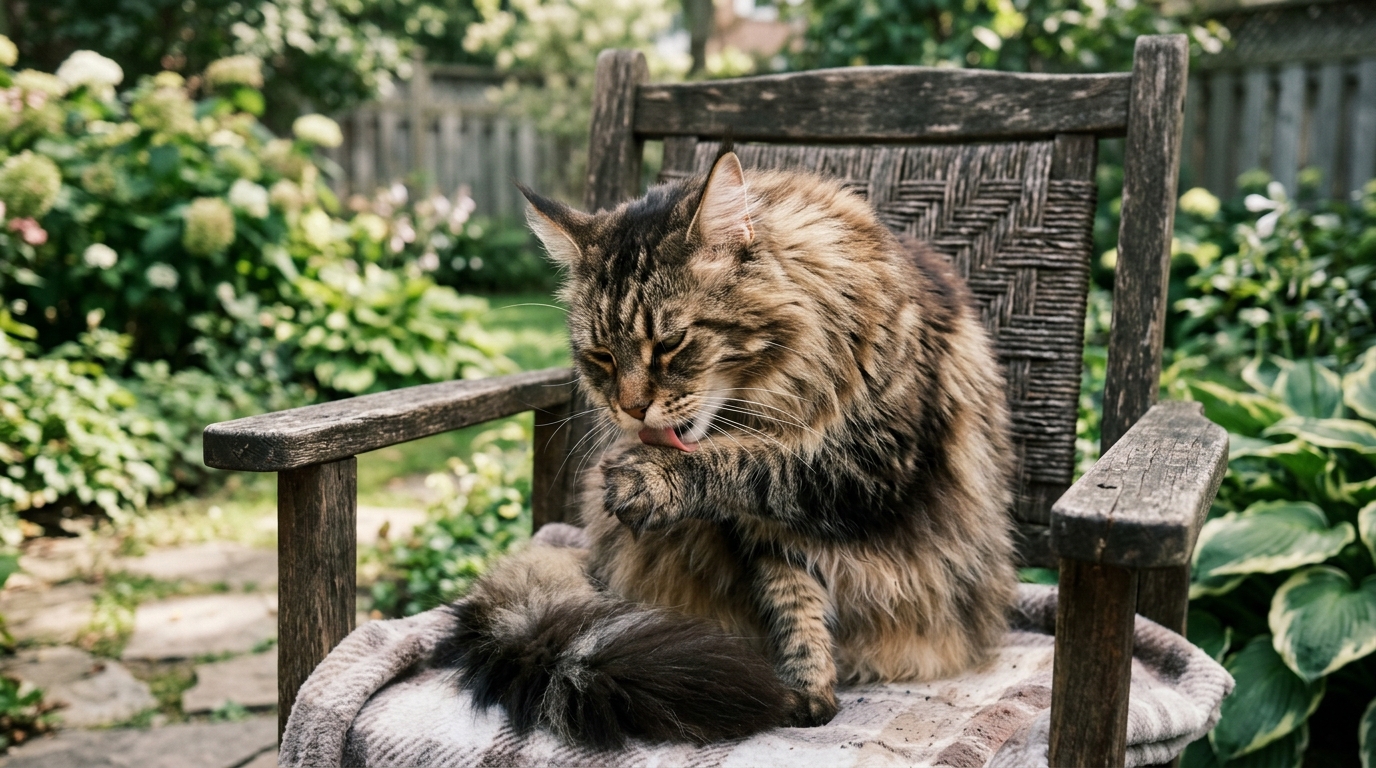
Cat Sneezing and Watery Eyes: What It Means and How to Treat It
Cat sneezing and watery eyes together usually mean a mild URI, irritant, or allergy. Learn the causes, home care tips, red flags, and when to see a vet online.
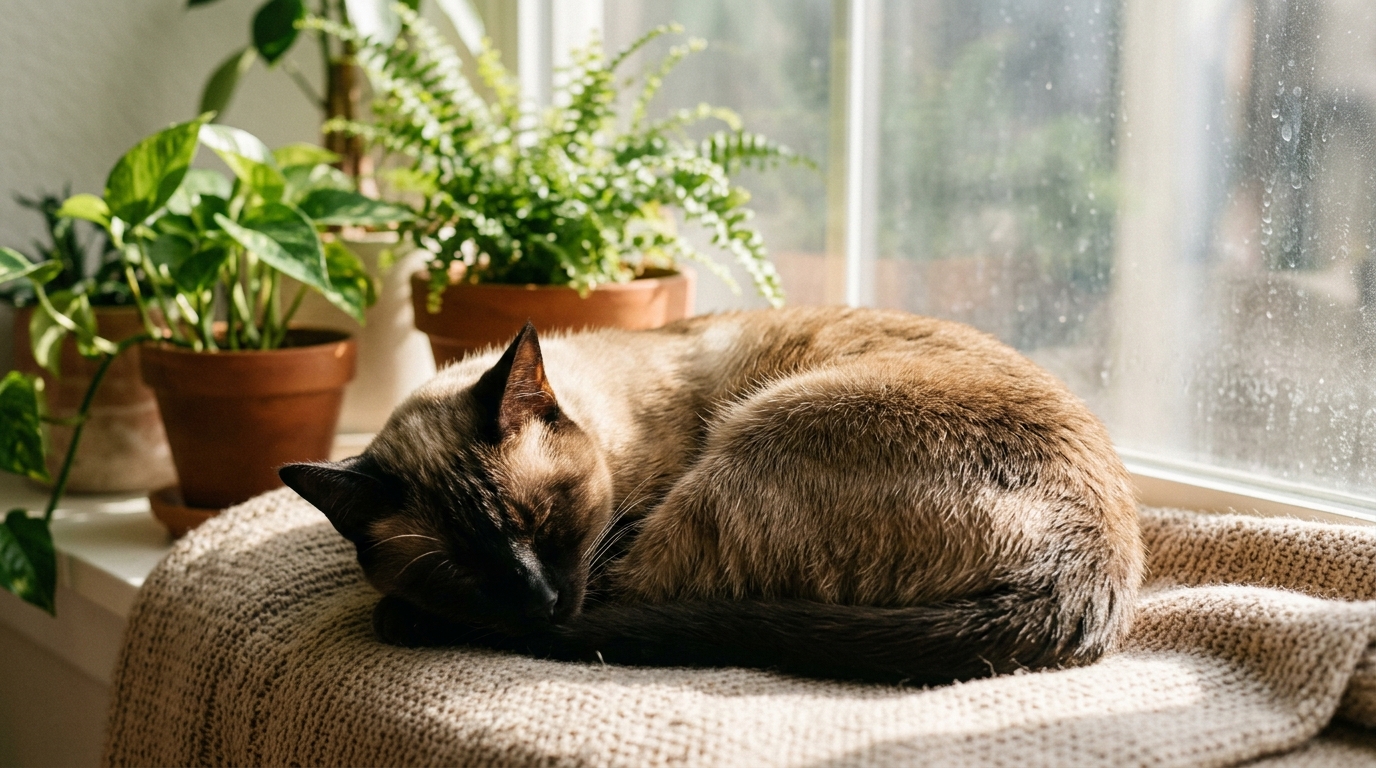
Cat Upper Respiratory Infection: Symptoms, Treatment, and Recovery Time
Learn the symptoms, causes, and treatment options for a cat upper respiratory infection, plus how long recovery typically takes and when to see a vet.

Kitten Sneezing: Causes and Care for Young Cats
Wondering why your kitten is sneezing? Learn common causes, red flags, and home care tips, plus when to book a same-day $65 online vet visit with TelaVets.