Layer Behavior

Broody Hen Care — Support, Break, or Rule Out Emergencies

A puffed, growling hen who refuses to leave the nest may be broody — or she may be in trouble. Learn the difference and how to manage either path.

Licensed Vets
$65 Flat Fee
Same-Day Rx
24/7 Access
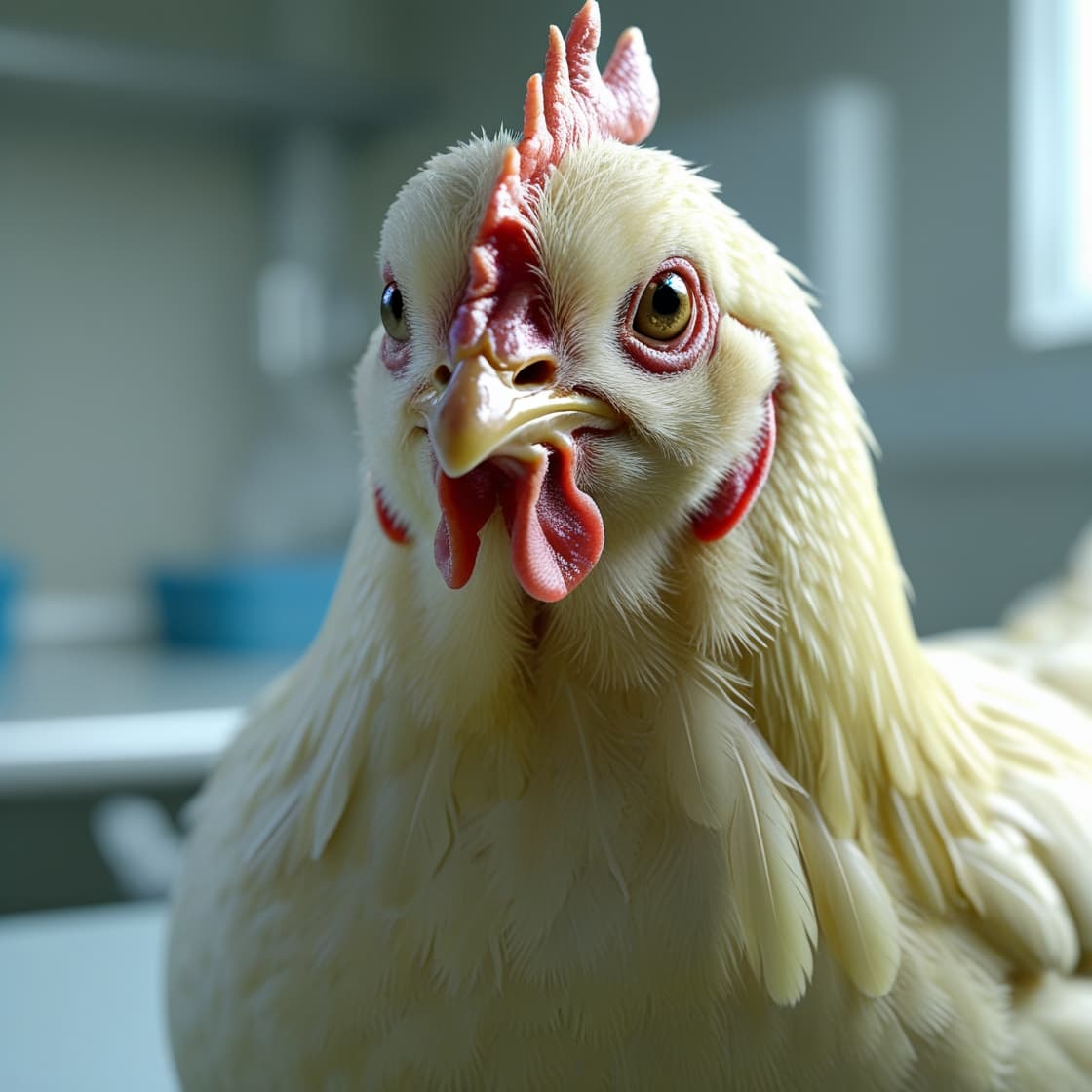
Broody backyard hen sitting tight on a nest — broody hen care guidance

Note: These guides provide general flock-care education. They are not a substitute for an examination of your birds. For a sick hen or flock outbreak, book a $65 TelaVets video visit with an avian-experienced veterinarian.

Healthy broody hen being monitored during backyard flock care

Broodiness in backyard flocks

Manage broodiness without ignoring reproductive emergencies

  • Classic broody signs vs. egg-binding red flags

  • Humane methods to break broodiness

  • Nest setup if you want her to hatch

  • Nutrition and parasite checks for sitting hens

  • Flock integration after chicks or after breaking

  • $65 vet triage when the nest behavior looks wrong

Broodiness is hormonal: the hen sits tightly, plucks breast feathers, and leaves the nest only briefly to eat and dust bathe. Silkies and some heritage breeds go broody often; many hybrid layers rarely do. Your job is to decide whether you want chicks — and to make sure the behavior is truly broodiness.

Egg-bound hens can also spend long hours in the nest while straining and looking unwell. If she is lethargic, penguin-walking, or not passing droppings normally, treat it as urgent and contact a veterinarian. For true broodiness, TelaVets can still help with breaking strategies, nest hygiene, and chick health questions for $65.

Why this matters for your flock

  • Distinguish broodiness from dangerous laying problems
  • Break broodiness before body condition crashes
  • Set up cleaner, safer nests for intentional hatches
  • Protect sitting hens from mites in warm nest boxes
  • Plan chick introductions without shocking the flock
  • Reduce egg eating and nest competition during broodiness
  • Get fast vet input when you are unsure which problem you have

Key points flock owners should know

Confirm it is broodiness

Broodies flatten, fluff, growl or peck when moved, and return insistently to the nest. They usually still pass large “broody poops” after long sits. Straining, tail pumping without settling, and systemic illness point elsewhere.

Breaking a broody humanely

Common approaches include removing her to a well-lit wire-bottom or open crate setup with food and water, blocking favorite nests, and consistency for several days. Avoid cruel methods like ice baths as a first-line habit.

If you want her to hatch

Provide a quiet nest, mark eggs, ensure she eats and drinks daily, and plan for chick-proof housing. Candling helps remove rotten eggs that endanger the clutch.

Health costs of long sits

Broodies lose weight, bathe less, and pick up nest mites. Weigh her, offer high-quality feed on forced breaks, and check the vent and skin under feathers.

After the broodiness ends

Reintroduce her carefully if she has been separated. Watch for bullying and for a rapid return to the nest — some hens restart without a firm break.

Step-by-step flock actions

  • Observe nest behavior for 24 hours and note appetite, droppings, and mobility.
  • Rule out emergency signs; book a vet visit immediately if egg binding is possible.
  • Decide: break broodiness or support a hatch — do not leave her in limbo for weeks.
  • For breaking: move to a broody-breaker pen with good light, airflow, and no dark nest.
  • For hatching: set up a dedicated nest, control egg numbers, and schedule daily check-outs.
  • Monitor weight and parasites throughout the sit or break period.
  • Confirm normal roosting and flock behavior once broodiness resolves.

Practical tips for backyard keepers

  • Collect eggs frequently if you do not want broodiness triggered by a full clutch.

  • Provide multiple nest boxes so one broody does not block all layers.

  • Expect temporary egg pauses; broodiness and molt can overlap seasonally.

  • Do not force a weak hen to hatch a huge clutch — smaller sets are kinder.

  • Keep a photo log of comb color and body condition across the sit.

  • If she breaks and re-broods repeatedly, discuss breed tendencies and management with a vet.

Why flock owners choose TelaVets

  • Licensed DVMs Only

    Every consultation is with a licensed Doctor of Veterinary Medicine — not a chatbot or technician.

  • $65 Flat Fee

    One transparent price covers your full video consultation and treatment plan. No facility fees or surprise charges.

  • Same-Day Appointments

    Most flock owners are connected with a vet within 1–3 hours of booking, 7 days a week.

  • Next-Day Prescriptions

    When medication is appropriate, prescriptions are issued same-day and delivered to your door next business day.

  • Avian-Experienced Vets

    Our vets have experience with backyard chickens and flock health — rare among telemedicine platforms.

  • Secure & Private

    Encrypted video calls and HIPAA-compliant records keep your pet's health information protected.

How online chicken vet care works

  1. Book your consultation

    Pick a same-day or upcoming slot — appointments available 7 days a week.

  2. Connect with a licensed vet

    Your vet assesses your pet via secure video, asks detailed questions, and reviews their history.

  3. Get your treatment plan

    Receive a diagnosis, personalised care plan, and same-day prescriptions delivered next-day.

What Our Pet Parents Say

Join thousands of happy pet parents who trust TelaVets for their furry family members care

"Fantastic service! My dog gets extremely anxious at the vet, so having a virtual appointment from home was a game-changer. The vet was kind and helpful, and getting his medication delivered the next day made the whole process stress-free and more affordable than going to the clinic."

DL

David Long

Verified Pet Parent

"The vet I spoke with Dr. Ricksaw was very knowledgeable and nice. He took the time to go through all of my options and ideas with me. Reassured me that all we were doing for my dog's anxiety was good and gave me a couple of new ideas as well."

CH

Courtney Hughes

Verified Pet Parent

"I would definitely use them again. I'm cat sitting for 2 weeks and needed to see a vet. I was so worried about the kitten. I used Televets the cat got his prescription and all is good. Excellent service!"

M

Maria

Verified Pet Parent

"Dr Corey was amazing, helpful, compassionate and well versed. I would highly recommend using this. It is so much easier than trying to get a 3 legged cat into a carrier, take him to a doctor's office and stress him out, love it!!!"

JG

Jackie Gardner

Verified Pet Parent

"I had a TelaVets Zoom appointment and couldn't be more impressed. They spent a lot of time with me, walking through every option to help my cat recover from her skin issues. I've also reached out about getting her medication through Chewy.com, and they've been extremely helpful every step of the way."

LD

Lara Durand

Verified Pet Parent

"Dr. Moppin is a dedicated professional who truly cares about his furry patients and their humans, too! It's such a relief that Dr. Cole took the time to listen and address my concerns thoughtfully. Thank you for taking care of our cats 🐈"

WW

Wanida Walker

Verified Pet Parent

"This service was amazing! My dog ran out of his medication before we were able to get in with a new vet and they were able to help get him a short term supply quickly. I would definitely use them again!"

AT

Amanda Tobias

Verified Pet Parent

"Knowledgeable, professional caring provider! Needed urgent Vet care on a weekend and TeleVet kept me from having to miss a day of work, as well as half the price of local weekend options. Thank you!"

JH

Jana Humble

Verified Pet Parent

"Dr. McGinnis was very knowledgeable and listened to my cat's issues. She addressed the problem and may have come up with an answer after 5 years of trying with local vet practices."

MK

Marilyn Kerr

Verified Pet Parent
Broody Hen Care — FAQ

Broodies are alert, defensive on the nest, and still eat on short breaks. Egg-bound hens often look painful, strain, walk oddly, and decline quickly. When unsure, book a $65 TelaVets visit rather than waiting.

A full incubation is about 21 days for chickens. If you are not hatching, break broodiness within days so she does not lose excessive condition.

Consistent removal from dark nests into a cooler, well-lit wire or open setup with food and water works for many hens within 3–7 days. Persistence matters more than harsh tricks.

Yes if you are breaking her — eggs encourage sitting. If hatching, manage a set number of viable eggs and remove extras or addled eggs as appropriate.

Yes. Vets help differentiate emergencies, advise on breaking setups, and guide nest hygiene or chick issues via video without a stressful clinic trip.

Broody — or something more serious?

Same-day avian video advice — $65 flat fee