Core wound-care items
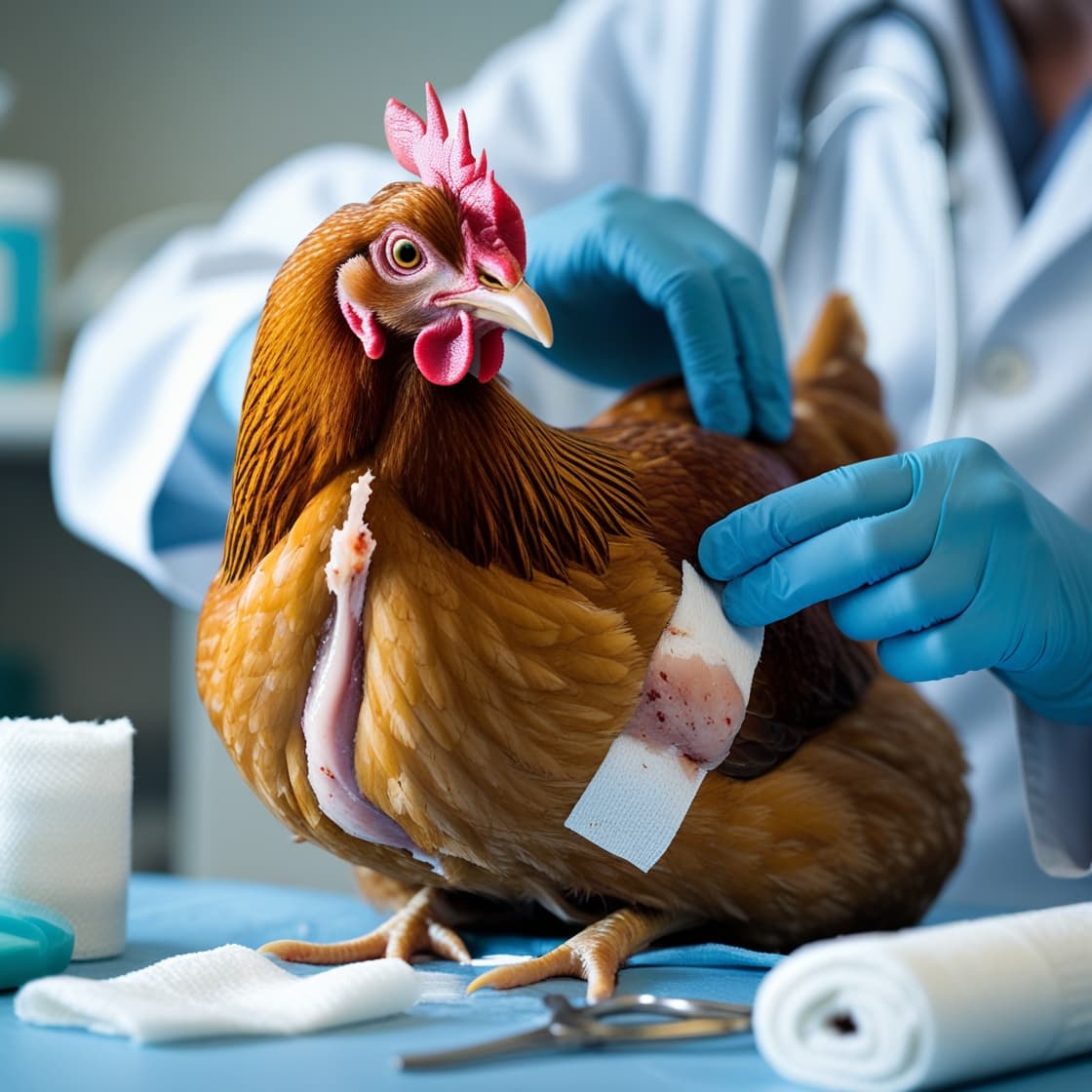
Sterile saline, gauze, non-stick pads, self-adhesive wrap, blunt-tip scissors, tweezers, and a poultry-appropriate antiseptic. Avoid alcohol and hydrogen peroxide on open tissue unless a vet specifically directs otherwise.
Peck wounds, bumblefoot flare-ups, and heat stress rarely wait for a store trip. A dedicated poultry first-aid kit lets you stabilize a hen while you book veterinary guidance.
Note: These guides provide general flock-care education. They are not a substitute for an examination of your birds. For a sick hen or flock outbreak, book a $65 TelaVets video visit with an avian-experienced veterinarian.
Poultry emergency prep
Complete backyard-chicken first-aid supply list
Wound cleaning and bandaging basics for hens
Electrolyte and supportive-care staples
Hospital-pen setup checklist
Clear guidance on when to stop DIY and call a vet
Pair kit use with a $65 TelaVets video consult when needed
A dog-and-cat first-aid kit is not enough for poultry. Chickens need saline, poultry-safe wound products, electrolytes formulated for birds, and a plan to isolate patients away from pecking flockmates. Building the kit in calm times means you are not improvising with kitchen peroxide at midnight.
First aid stabilizes — it does not replace diagnosis. Use your kit to stop bleeding, clean contamination, warm a chilled bird, or cool a heat-stressed hen, then get a licensed opinion if the injury is deep, the bird will not eat, or infection signs appear. TelaVets avian-experienced vets can walk you through next steps on video for $65.
Sterile saline, gauze, non-stick pads, self-adhesive wrap, blunt-tip scissors, tweezers, and a poultry-appropriate antiseptic. Avoid alcohol and hydrogen peroxide on open tissue unless a vet specifically directs otherwise.
Poultry electrolytes, probiotics labeled for chickens, a syringe for careful oral fluids, corn starch or styptic for minor nail bleeds, and clean towels for restraint and warmth.
A dog crate or wire pen, solid flooring with dry bedding, separate food and water dishes, and a heat source you can control. Isolation prevents pecking of bloody feathers and limits disease spread.
Skip mystery “poultry cure-all” powders, leftover dog antibiotics, and essential oils. Wrong drugs delay real care and can create egg-safety problems you did not intend.
Trim sharp coop wire and splintered roost edges that cause foot and comb injuries.
Provide enough feeder space to reduce bullying and peck wounds.
Keep nesting boxes clean so vent soiling does not invite flystrike.
Check feet weekly in heavy breeds to catch early bumblefoot.
Store medications only after a vet recommends them — not “just in case” unlabeled bottles.
Review kit contents every spring and fall when weather stress rises.
Every consultation is with a licensed Doctor of Veterinary Medicine — not a chatbot or technician.
One transparent price covers your full video consultation and treatment plan. No facility fees or surprise charges.
Most flock owners are connected with a vet within 1–3 hours of booking, 7 days a week.
When medication is appropriate, prescriptions are issued same-day and delivered to your door next business day.
Our vets have experience with backyard chickens and flock health — rare among telemedicine platforms.
Encrypted video calls and HIPAA-compliant records keep your pet's health information protected.
Pick a same-day or upcoming slot — appointments available 7 days a week.
Your vet assesses your pet via secure video, asks detailed questions, and reviews their history.
Receive a diagnosis, personalised care plan, and same-day prescriptions delivered next-day.
Join thousands of happy pet parents who trust TelaVets for their furry family members care
"Fantastic service! My dog gets extremely anxious at the vet, so having a virtual appointment from home was a game-changer. The vet was kind and helpful, and getting his medication delivered the next day made the whole process stress-free and more affordable than going to the clinic."
Verified Pet Parent
"The vet I spoke with Dr. Ricksaw was very knowledgeable and nice. He took the time to go through all of my options and ideas with me. Reassured me that all we were doing for my dog's anxiety was good and gave me a couple of new ideas as well."
Verified Pet Parent
"I would definitely use them again. I'm cat sitting for 2 weeks and needed to see a vet. I was so worried about the kitten. I used Televets the cat got his prescription and all is good. Excellent service!"
Verified Pet Parent
"Dr Corey was amazing, helpful, compassionate and well versed. I would highly recommend using this. It is so much easier than trying to get a 3 legged cat into a carrier, take him to a doctor's office and stress him out, love it!!!"
Verified Pet Parent
"I had a TelaVets Zoom appointment and couldn't be more impressed. They spent a lot of time with me, walking through every option to help my cat recover from her skin issues. I've also reached out about getting her medication through Chewy.com, and they've been extremely helpful every step of the way."
Verified Pet Parent
"Dr. Moppin is a dedicated professional who truly cares about his furry patients and their humans, too! It's such a relief that Dr. Cole took the time to listen and address my concerns thoughtfully. Thank you for taking care of our cats 🐈"
Verified Pet Parent
"This service was amazing! My dog ran out of his medication before we were able to get in with a new vet and they were able to help get him a short term supply quickly. I would definitely use them again!"
Verified Pet Parent
"Knowledgeable, professional caring provider! Needed urgent Vet care on a weekend and TeleVet kept me from having to miss a day of work, as well as half the price of local weekend options. Thank you!"
Verified Pet Parent
"Dr. McGinnis was very knowledgeable and listened to my cat's issues. She addressed the problem and may have come up with an answer after 5 years of trying with local vet practices."
Verified Pet Parent
"Fantastic service! My dog gets extremely anxious at the vet, so having a virtual appointment from home was a game-changer. The vet was kind and helpful, and getting his medication delivered the next day made the whole process stress-free and more affordable than going to the clinic."
Verified Pet Parent
"The vet I spoke with Dr. Ricksaw was very knowledgeable and nice. He took the time to go through all of my options and ideas with me. Reassured me that all we were doing for my dog's anxiety was good and gave me a couple of new ideas as well."
Verified Pet Parent
"I would definitely use them again. I'm cat sitting for 2 weeks and needed to see a vet. I was so worried about the kitten. I used Televets the cat got his prescription and all is good. Excellent service!"
Verified Pet Parent
"Dr Corey was amazing, helpful, compassionate and well versed. I would highly recommend using this. It is so much easier than trying to get a 3 legged cat into a carrier, take him to a doctor's office and stress him out, love it!!!"
Verified Pet Parent
"I had a TelaVets Zoom appointment and couldn't be more impressed. They spent a lot of time with me, walking through every option to help my cat recover from her skin issues. I've also reached out about getting her medication through Chewy.com, and they've been extremely helpful every step of the way."
Verified Pet Parent
"Dr. Moppin is a dedicated professional who truly cares about his furry patients and their humans, too! It's such a relief that Dr. Cole took the time to listen and address my concerns thoughtfully. Thank you for taking care of our cats 🐈"
Verified Pet Parent
"This service was amazing! My dog ran out of his medication before we were able to get in with a new vet and they were able to help get him a short term supply quickly. I would definitely use them again!"
Verified Pet Parent
"Knowledgeable, professional caring provider! Needed urgent Vet care on a weekend and TeleVet kept me from having to miss a day of work, as well as half the price of local weekend options. Thank you!"
Verified Pet Parent
"Dr. McGinnis was very knowledgeable and listened to my cat's issues. She addressed the problem and may have come up with an answer after 5 years of trying with local vet practices."
Verified Pet Parent
Same-day video care for backyard hens from avian-experienced veterinarians.
Read moreSneezing, rattling, and flock respiratory disease treatment guidance.
Read moreConnect with a licensed vet for your flock today.
Read moreSame-day online vet appointments for $65 — no membership required.
Read moreLearn how our licensed vets diagnose and treat pets via secure video consultation.
Read moreAt minimum: sterile saline, gauze, wrap, poultry-safe antiseptic, electrolytes, tweezers, scissors, towels, and a plan for a hospital pen. Add items your TelaVets vet recommends after reviewing your flock’s common risks.
Some keepers use plain antibiotic ointment on minor wounds, but products with pain relievers can be unsafe for birds. Ask a veterinarian which topical is appropriate for the specific injury and whether eggs need any special handling.
Deep punctures, ongoing bleeding, exposed tissue, foul odor, inability to walk, or a bird that stops eating need veterinary care the same day — not another round of home cleaning alone.
Do not stock random antibiotics. Incorrect drugs waste time, drive resistance, and create egg withdrawal confusion. Obtain medications through a veterinary plan when they are truly indicated.
Yes. During a $65 TelaVets video visit, the vet can see the wound, coach cleaning and bandaging, and tell you whether home care is sufficient or if escalation is needed.
Avian-experienced guidance on video — $65 flat fee