Table of Contents
Table of Contents
Short Answer
A single sneeze here and there from dust, litter, or a strong scent is normal cat behavior and usually nothing to worry about. Repeated sneezing over several days, nasal or eye discharge, lethargy, or a drop in appetite point more toward an upper respiratory infection or another condition that needs veterinary attention. If you are not sure which one you are dealing with, a same-day virtual vet visit can help you decide whether home care is enough or your cat needs an in-person exam and prescription.
Medically reviewed by Dr. Julia, DVM, who has 14 years of clinical veterinary experience.
Why Do Cats Sneeze? Understanding the Basics
Sneezing is a reflex that clears irritants, mucus, or debris from a cat's nasal passages. It works the same way it does in people: something irritates the nerve endings lining the nose, and the body forces air out quickly to push that irritant back out. A cat that sneezes once while sniffing a dusty corner or after a puff of air freshener is simply doing what a nose is built to do.
What matters more than a single sneeze is the pattern. Is your cat sneezing once and then acting completely normal, or is it happening in clusters, several times an hour, day after day? Is there discharge from the nose or eyes, congestion, a smaller appetite, or more hiding than usual? Frequency, duration, and whatever symptoms travel alongside the sneezing are what separate harmless irritation from something that deserves a closer look.
Common Causes of Cat Sneezing
There is no single reason cats sneeze. Working out the cause usually comes down to context: your cat's age, vaccination history, household environment, and how long the sneezing has been going on. Some of the most common cat sneezing causes veterinarians see are listed below.
Upper respiratory infections are among the most frequent culprits, especially feline herpesvirus and feline calicivirus. These viruses are widespread in the cat population and tend to flare during stress, in multi-cat households, or in cats with incomplete vaccine histories. Environmental irritants are another major category: dust, cigarette or wood smoke, scented candles, aerosol cleaning sprays, and even certain cat litters can trigger sneezing just by irritating the nasal lining.
Allergies, whether seasonal or tied to something in the home, can also cause intermittent sneezing that comes and goes with exposure. Less commonly, a foreign object such as a grass awn or piece of plant material can get lodged in the nasal passage, causing sudden, often one-sided sneezing that does not resolve on its own. Dental disease, particularly infections at the roots of the upper teeth, can sometimes affect the nasal passages above them and cause sneezing along with bad breath or drooling. In older cats, nasal or sinus growths, including polyps or tumors, become a more relevant possibility when sneezing is persistent and does not respond to typical treatment.
Cat Sneezing in Kittens vs Adult and Senior Cats
Age changes the likely cause quite a bit. Kittens, especially those from shelters, rescues, or multi-cat litters, are particularly prone to viral upper respiratory infections because their immune systems are still developing and they are often in close contact with other cats. A kitten that starts sneezing with watery eyes shortly after adoption is a very common scenario and usually points toward a viral cause rather than something more serious. Our dedicated guide on kitten sneezing causes and care walks through what to expect and when a young cat's sneezing needs urgent attention.
Adult cats tend to sneeze more often from allergies, environmental irritants, or a mild viral flare-up triggered by stress. Senior cats deserve more caution. Persistent sneezing in an older cat is worth having evaluated for dental disease or nasal masses, since both become more common with age and are not always obvious from the outside. A cat that has never had sneezing issues before and suddenly develops them later in life is a different clinical picture than a kitten with a first-time cold.
When Cat Sneezing Signals an Upper Respiratory Infection
Upper respiratory infections, often just called URIs, are the most common reason cats end up sneezing repeatedly over several days. Along with sneezing, cats with a URI often show nasal discharge, eye discharge or squinting, congestion that makes their breathing sound stuffy, and a noticeable drop in appetite since a blocked nose interferes with their sense of smell. Some cats run a mild fever and seem quieter than usual.
Viral URIs, caused by feline herpesvirus or calicivirus, spread easily between cats sharing a household, litter box, or food and water bowls, which is why outbreaks are common in shelters, catteries, and multi-cat homes. Most mild cases improve within a week or two with supportive care such as rest, good nutrition, and keeping the eyes and nose clean. Some cats develop a secondary bacterial infection on top of the virus, and those cases often need a prescription antibiotic to fully clear up. For a deeper breakdown of symptoms, typical recovery timelines, and treatment options, see our full article on cat upper respiratory infection symptoms and recovery.
Most sneezing cats I see through virtual visits fall into one of two buckets: a mild irritant that clears up on its own in a day or two, or the early stage of a viral URI that benefits from supportive care before it gets worse. The discharge color and how the cat is eating tell me a lot even before an in-person exam is needed.
Cat Sneezing With Watery Eyes or Discharge
The color and thickness of any discharge from your cat's nose or eyes gives useful clues about what is going on. Clear, watery discharge often points to simple irritation or the early stage of a viral infection, before the body has mounted a fuller immune response. Yellow or green discharge usually suggests a secondary bacterial infection has set in, which typically needs veterinary treatment rather than home care alone.
Watery eyes paired with sneezing are a classic combination seen with feline herpesvirus, since the virus affects both the eyes and the upper respiratory tract. That said, allergies can produce a similar picture of watery eyes and sneezing without any other signs of illness, so duration and the presence of other symptoms still matter for telling the two apart. Our article on cat sneezing and watery eyes goes into more detail on what different discharge patterns typically mean and how they are managed.
Cat Sneezing Blood: A Warning Sign
Occasional clear or slightly discolored discharge is common with routine sneezing causes, but blood in a sneeze is different. Blood-tinged nasal discharge can point to trauma, a lodged foreign body, a fungal infection, or in some cases a nasal mass, particularly in older cats. This is not a symptom to watch and wait on. If your cat sneezes blood, even once, it is worth having a veterinarian evaluate them promptly rather than assuming it will resolve on its own. Our detailed guide on cat sneezing blood covers the possible causes and what a diagnostic workup typically involves.
Chronic or Recurring Sneezing in Cats
Sneezing that lasts more than one to two weeks, or that keeps coming back after seeming to resolve, is generally considered chronic and deserves a more thorough look. Chronic sneezing can stem from a variety of sources beyond a simple cold, including ongoing dental disease, nasal polyps, fungal infections such as cryptococcosis, or structural issues within the nasal passages that developed after an earlier infection scarred the tissue.
Cats with chronic sneezing often need more than a physical exam to pin down the cause. Depending on the history, a veterinarian may recommend imaging such as x-rays or a CT scan, or referral to a specialist for a scope of the nasal passages. This is one area where patience matters, since chronic nasal conditions in cats can take time and a step-by-step diagnostic process to sort out. Our full guide to chronic sneezing in cats covers what that workup often looks like and what owners can expect.
Cat Allergies vs a Cold: How to Tell the Difference
Owners often want to know whether their cat's sneezing means allergies or an infectious cold, since the two can look similar at first glance. Allergies tend to follow a pattern tied to a specific trigger, such as a change in litter, a new candle, seasonal pollen, or a cleaning product, and allergic sneezing usually happens without a fever, lethargy, or loss of appetite. A cold or URI, by contrast, more often comes with additional signs of feeling unwell, including reduced energy, a lower appetite, and sometimes a mild fever, alongside the nasal and eye discharge.
Duration is another clue. Allergic sneezing can be intermittent and long-running without getting noticeably worse, while a viral infection tends to build over a few days before gradually improving. If you are trying to work out which one applies to your cat, our comparison guide on how to tell cat allergies from a cold breaks down the distinguishing signs in more detail.
What a Vet Looks For During a Sneezing Evaluation
When you bring up a sneezing cat during a vet visit, whether virtual or in person, the veterinarian is trying to build a timeline and rule out red flags. Expect questions about when the sneezing started, how often it happens, whether other cats in the household are affected, and whether your cat has been around new animals, plants, or products recently. This history often narrows things down significantly before any hands-on exam even happens.
During a physical exam, a veterinarian checks the eyes for discharge or redness, looks inside the nose and mouth for visible irritation, foreign material, or dental problems, and feels the lymph nodes under the jaw for swelling that might suggest infection. Based on what they find, they decide whether supportive care and monitoring is appropriate, whether a prescription is warranted, or whether the case needs in-person diagnostics like x-rays, bloodwork, or a nasal swab that cannot be done remotely.
How to Help a Sneezing Cat at Home
For mild, uncomplicated sneezing without other worrying symptoms, there is a fair amount you can do at home to keep your cat comfortable while the irritation or mild infection runs its course.
- Run a humidifier in the room where your cat spends most of their time, or let them sit in a steamy bathroom for ten to fifteen minutes while you shower, since moist air helps loosen congestion.
- Gently wipe away any nasal or eye discharge with a warm, damp washcloth a few times a day to keep your cat comfortable and prevent crusting.
- Reduce exposure to dust, smoke, scented candles, and aerosol sprays, and consider switching to a low-dust, unscented cat litter if sneezing seems worse around the litter box.
- Encourage eating and drinking, since a stuffy nose can dull a cat's appetite. Warming wet food slightly can boost its scent and make it more appealing.
These steps support recovery but do not replace a diagnosis. If sneezing persists despite a few days of home care, or if it was accompanied by other symptoms from the start, it is time to have a veterinarian take a look.
Owners sometimes wait too long because the cat is still eating and playing, but a nose that has been blocked or draining for a week is worth addressing before it turns into a sinus infection that is harder to clear. Catching it earlier usually means a simpler treatment plan.
Red Flags: When Cat Sneezing Needs Urgent Veterinary Care
Most sneezing resolves with time and basic supportive care, but certain signs mean you should not wait to have your cat seen.
- Sneezing with blood, thick yellow or green discharge, or visible facial swelling
- Loss of appetite lasting more than a day, especially in kittens or senior cats
- Labored or noisy breathing, marked lethargy, or discharge coming from only one nostril
Any of these warrant a prompt veterinary evaluation rather than continued monitoring at home. Kittens and senior cats in particular can decline faster than a healthy adult cat, so err on the side of getting them checked sooner rather than later.
How TelaVets Can Help With a Sneezing Cat
If you are trying to decide whether your cat's sneezing is something to watch or something to treat, a virtual vet visit is often a practical first step. TelaVets offers video appointments with licensed veterinarians for a flat $65, with no membership required and no hidden fees, available in all 50 states. During the visit, the vet reviews your cat's symptoms and history over Google Meet, offers guidance on home care, and can send a same-day prescription to your preferred pharmacy when medically appropriate.
Same-day, evening, and weekend appointments are available, which helps when sneezing starts after your regular clinic has closed or you simply cannot get an in-person slot quickly. A virtual visit will not replace hands-on diagnostics like nasal x-rays if those turn out to be necessary, but it is often enough to determine whether your cat needs that next level of care or whether supportive treatment at home is the right path forward. You can book a same-day virtual vet visit whenever you are ready.
Frequently Asked Questions
Is it normal for a cat to sneeze occasionally?
Yes. An occasional single sneeze from dust, litter, or a strong scent is normal cat behavior. Frequent or clustered sneezing that continues over several days is what warrants a closer look.
Why does my cat keep sneezing but seems otherwise fine?
Mild irritants or an early-stage viral infection can cause sneezing before any other symptoms appear. It is reasonable to monitor for 24 to 48 hours and watch for nasal or eye discharge, lethargy, or appetite changes during that window.
Can cat sneezing be contagious to other cats?
Yes. Viral upper respiratory infections like feline herpesvirus and calicivirus spread easily between cats that share litter boxes, food bowls, or living space, so it is wise to separate a sneezing cat from other cats in the household when possible.
Can I give my cat human allergy medication for sneezing?
Some antihistamines are used in cats, but only under veterinary guidance regarding which product and how much. Owners should not give human medications to a cat without a veterinarian's direction, since some common ingredients are unsafe for cats.
How long does cat sneezing from a cold usually last?
Mild viral upper respiratory infections often improve within seven to ten days with supportive care. Sneezing that continues beyond two weeks, or that gets worse instead of better, should be evaluated by a veterinarian.
Should I take my cat to the vet for sneezing?
If sneezing is frequent, comes with discharge or lethargy, or lasts more than a few days, a vet visit, whether virtual or in person, is a reasonable next step to rule out infection or other causes.
Can litter dust cause my cat to sneeze?
Yes. Fine particles or added fragrance in some cat litters can irritate the nasal passages. Switching to a low-dust, unscented litter often reduces sneezing that is triggered this way.
Conclusion
Cat sneezing covers a wide range, from a harmless response to a dusty room to an early sign of a viral infection, allergies, or in less common cases something more serious like a nasal mass or foreign body. Paying attention to how often the sneezing happens, whether discharge or other symptoms are present, and how your cat's age and history fit into the picture will help you judge whether home care is enough or a vet visit is the right move. When in doubt, an affordable, same-day virtual vet visit through TelaVets can help you get a professional read on the situation and a clear plan for what to do next.
This article is for general educational purposes and is not a substitute for individualized veterinary care. If your cat is showing any red-flag symptoms described above, please seek veterinary attention promptly.
Related Articles
Cat Sneezing and Watery Eyes: What It Means and How to Treat It
Cat sneezing and watery eyes together usually mean a mild URI, irritant, or allergy. Learn the causes, home care tips, red flags, and when to see a vet online.
Cat Upper Respiratory Infection: Symptoms, Treatment, and Recovery Time
Learn the symptoms, causes, and treatment options for a cat upper respiratory infection, plus how long recovery typically takes and when to see a vet.
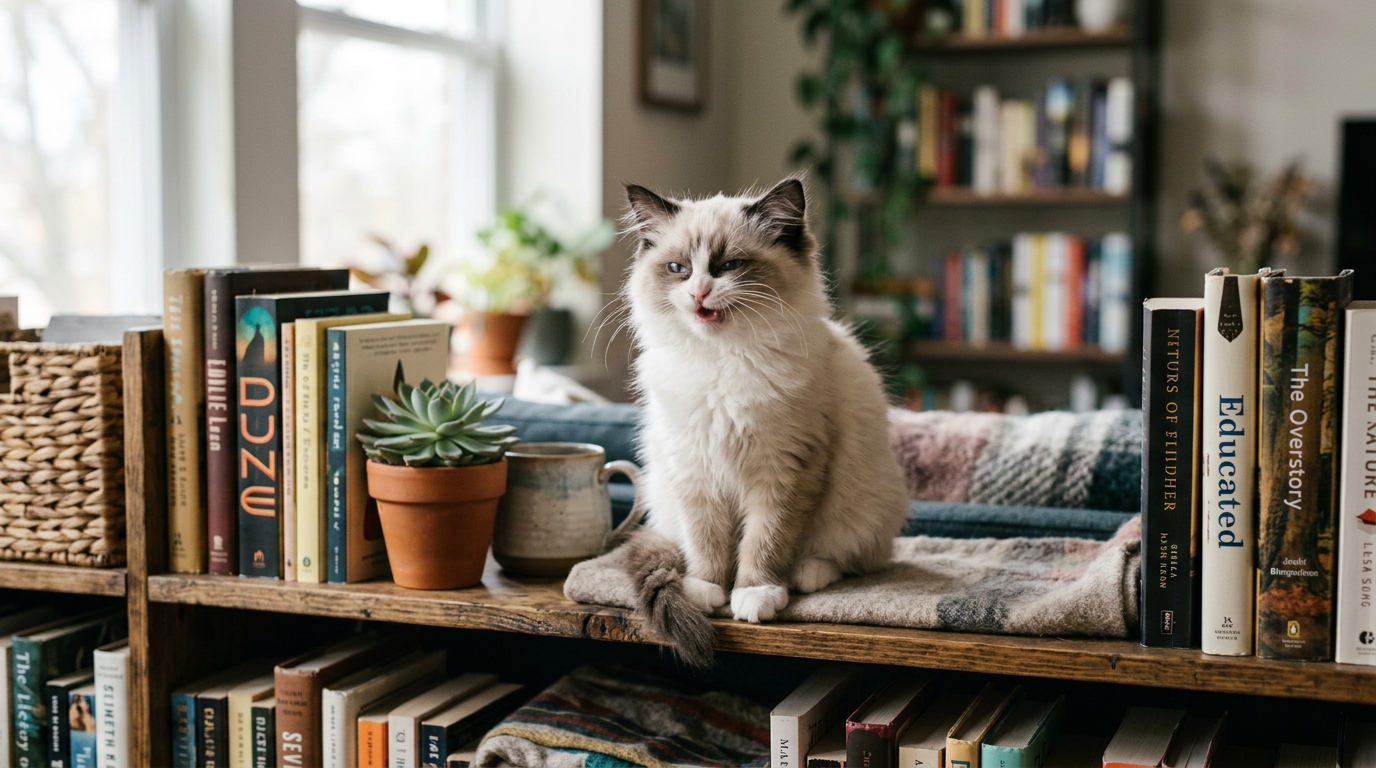
Kitten Sneezing: Causes and Care for Young Cats
Wondering why your kitten is sneezing? Learn common causes, red flags, and home care tips, plus when to book a same-day $65 online vet visit with TelaVets.