No coop catch or farm call stress
Let your birds stay calm at home while a licensed poultry vet walks you through what you are seeing on video.
Chicken bumblefoot treatment online
Bumblefoot (pododermatitis) is the #1 foot condition in backyard chickens — and it can be fatal if untreated. Get a licensed poultry vet to assess your bird and prescribe the right treatment, from home.
Talk to a Chicken Vet Now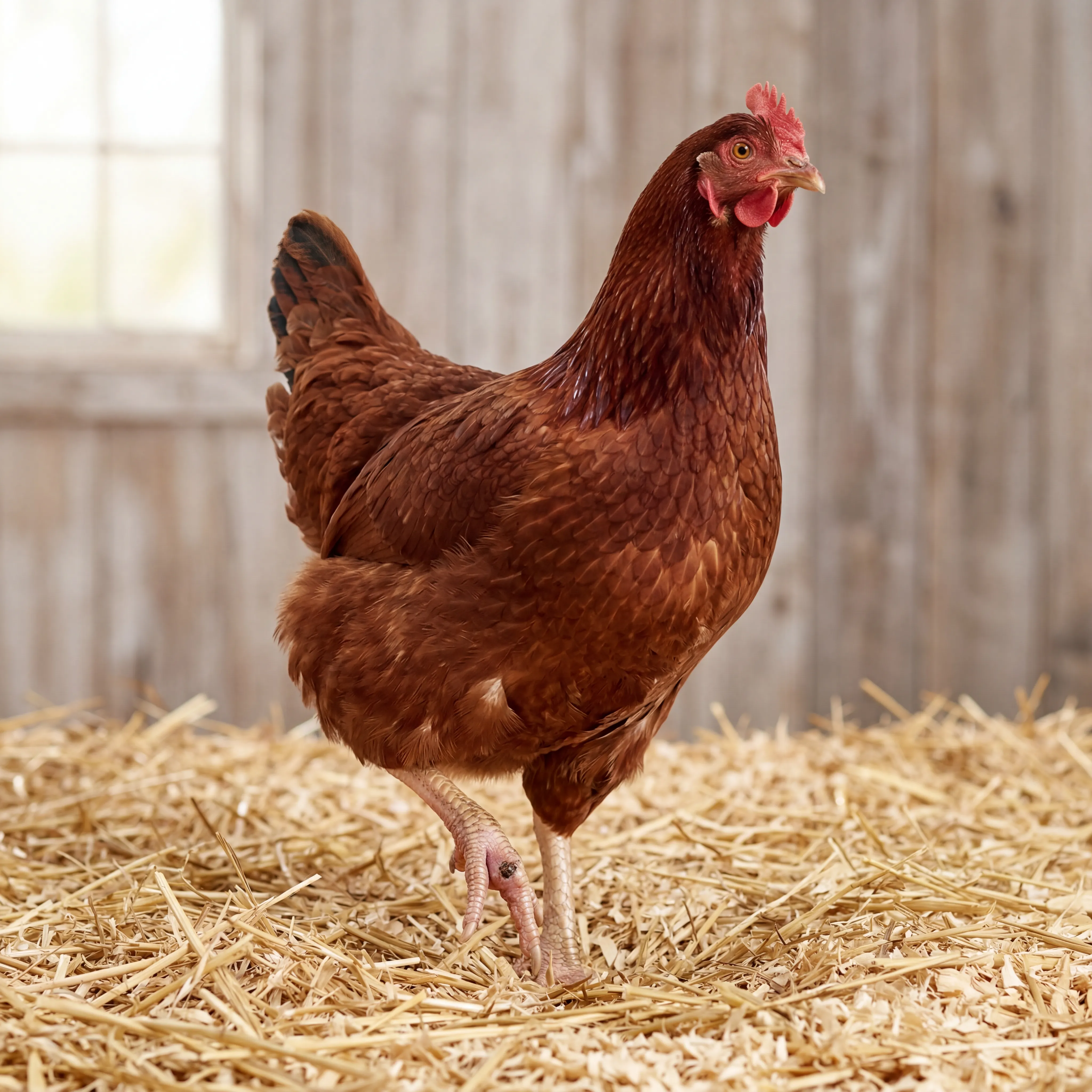
Depending on the grade of infection, your chicken's history, and overall health, our veterinarians may prescribe or recommend:
Amoxicillin
20 mg/kg orally twice daily • 10-14 days • first-line for most cases
Enrofloxacin (Baytril)
For resistant infections or Grade 4-5 cases
Doxycycline
Broad-spectrum; used when concurrent respiratory infection is present
Silver sulfadiazine cream
Topical • applied twice daily to the wound after cleaning
Chlorhexidine solution
Antiseptic wash for wound cleaning and soaking
Vitamin A supplementation
Addresses underlying deficiency that increases susceptibility
Pain management guidance
Meloxicam when appropriate for Grade 3+ infections
Your vet will choose the safest and most effective option based on the bumblefoot grade and your bird's individual history. Note that all antibiotics carry an egg and meat withdrawal period — your vet will advise on exact withdrawal times.
Choose a time that works for you — appointments are just $65.
Join a secure video visit from home. Show your bird’s feet, describe symptoms, and ask every question on your mind.
Your licensed poultry veterinarian assesses bumblefoot severity and recommends safe wound care, medications, and next steps.
If medication is appropriate, we can help you get it quickly — including next-day delivery options when available.
Bumblefoot is painful — birds with Grade 3+ infections are in constant discomfort, which reduces eating, drinking, laying, and flock integration. Early care gets your bird back to normal faster and prevents the infection from reaching bone.
With TelaVets, you skip the farm-call wait and get expert poultry vet care from home — with same-day prescriptions sent directly to your pharmacy.
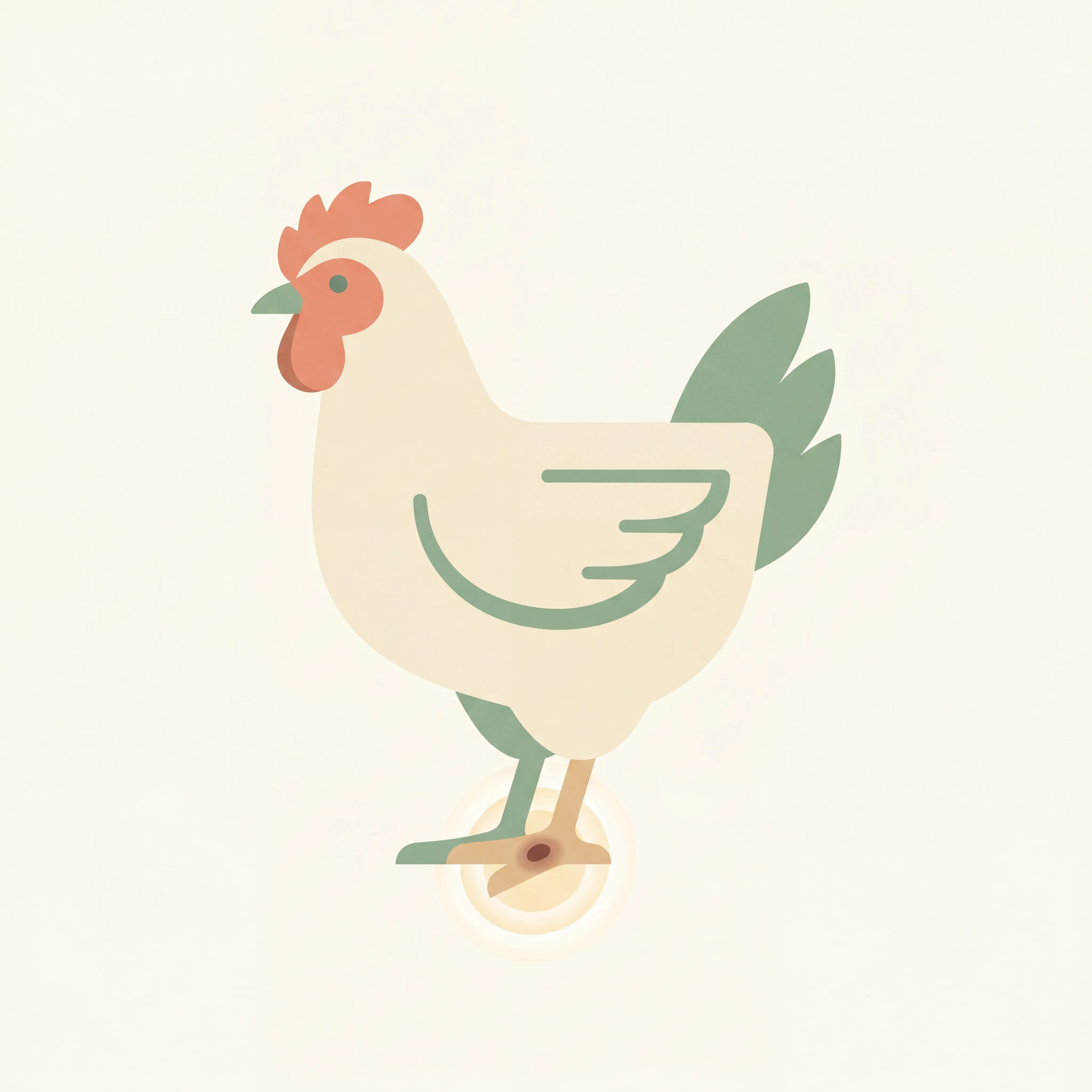
Sharp objects in the coop or run
High perches with rough landing impact
Vitamin A deficiency
Wire or hard flooring causing pressure sores
Overweight or obese birds
Overcrowding and stress
Wet or dirty bedding softening foot pads
Poor coop sanitation
Let your birds stay calm at home while a licensed poultry vet walks you through what you are seeing on video.
Book when you need help instead of waiting on a clinic that may not even see backyard poultry.
Visits are $65 flat — no surprise fees and no membership required.
Same-day visits are often available so you are not watching a sore foot turn into something worse.
Send scripts to a pharmacy you can reach or use delivery when that is an option for your situation.
Stories from backyard flock owners. Reviews shown as shared with TelaVets.
“I was panicking about my hen's foot — couldn't get a local vet to see a chicken. TelaVets connected me with a vet within an hour. She had the prescription and a step-by-step bandaging guide within the day. My bird is completely healed now.”
“The vet knew exactly what she was looking at the moment I showed her my Barred Rock's foot. Diagnosed Grade 3 bumblefoot, explained the whole treatment, sent the antibiotic prescription same day. This service fills a huge gap.”
“We are so thankful for this service. I have peace now that I didn't have before. I feel like my hen is finally getting the help she needs. Thank you.”
“Dr. Cole was great — took his time explaining everything and answered all my questions. Best vet experience I've had. Also very easy to get the prescription to the pharmacy!”
Yes — for many backyard flocks, a video visit is enough to get started. You can show the foot, describe how long it has been going on, and walk through your coop setup. The vet can talk you through cleaning, bandaging, and when antibiotics make sense. If they think your bird needs hands-on surgery or a culture right away, they will tell you straight and help you plan the next step with a local clinic.
A TelaVets consult is $65 for the visit. That is the appointment fee — not a subscription. Medication is billed separately at the pharmacy, just like any other vet visit. If you are comparing to a farm call, many people find the flat online rate easier to budget around.
Watch for a limp, a bird that hesitates to jump up to a perch, or a small dark spot on the bottom of the foot. The pad may look a little puffy or pink before you ever see a big scab. Catching it here usually means simpler treatment than waiting until the foot is swollen, smelly, or the bird is off feed.
Common choices include amoxicillin-clavulanate (often sold as Clavamox) for many mild-to-moderate cases, and enrofloxacin (Baytril) when a vet is worried about resistant bacteria or a deeper infection. Your vet picks the drug, dose, and length based on weight, severity, and whether you still eat the eggs — they should also give you clear egg and meat withdrawal guidance.
When a prescription is appropriate, many orders can go to your pharmacy the same day. If you use delivery, timing depends on the pharmacy and your area, but our goal is to get you moving quickly so treatment is not sitting in limbo while the foot gets worse.
You can do supportive care like warm soaks and keeping the coop clean, but bumblefoot often needs prescription antibiotics once the skin is broken or infected. Guessing the drug or dose yourself can waste time and put eggs or meat out of compliance with withdrawal rules. A quick consult usually costs less than letting a Grade 2 case turn into a surgery conversation.
The limp itself is not like a cold that spreads through the air. What does spread is the same rough bedding, wet spots, and sharp edges that injure one foot after another. If one bird has it, check the flock’s perches and floor, clean problem areas, and watch the others for early scabs so you are not fighting the same environment on repeat.