Overcrowding and boredom
Insufficient space is the leading cause of pecking behavior. Chickens need room to establish hierarchy without constant contact — overcrowded birds peck out of stress and boredom.
Pecking wounds can escalate from minor to life-threatening when flock cannibalism starts. Get same-day expert guidance on wound care, isolation, and stopping the cycle.

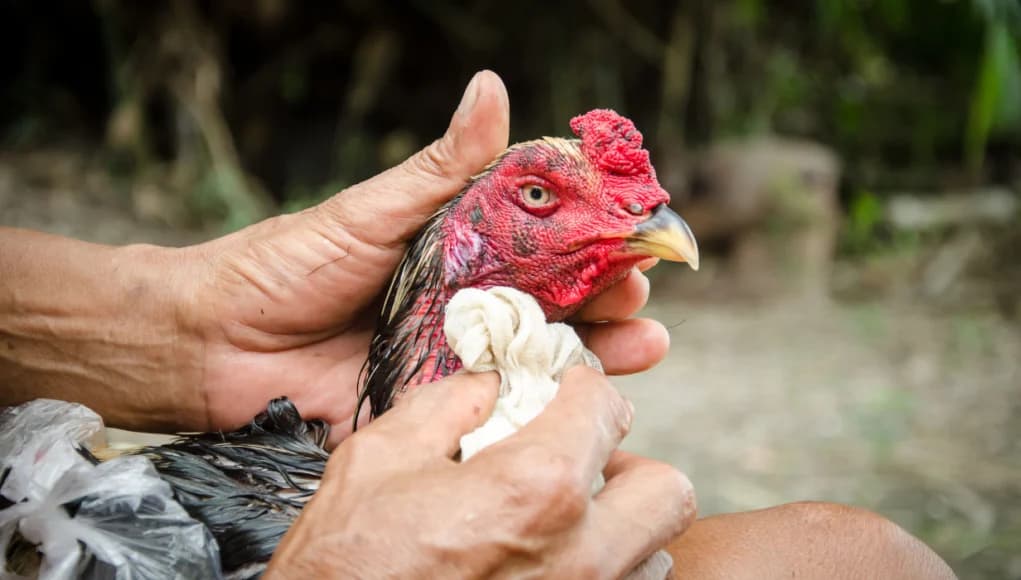
Understanding pecking injuries in flocks
Licensed avian vet wound assessment via guided video examination
Same-day appointments — most flock owners seen within 1–3 hours
Step-by-step wound cleaning and dressing guidance
Flock behavior analysis to identify and stop the pecking cycle
$65 flat fee — no memberships or hidden charges
Antibiotic guidance when wounds risk infection
Pecking wounds range from minor feather loss to deep lacerations on the back, vent, or head. Chickens are attracted to the color red, so even a small wound can trigger relentless flock pecking that turns a minor injury into a medical emergency. Vent pecking is particularly dangerous and can be fatal.
TelaVets avian veterinarians assess wound severity on video, guide you through cleaning and dressing techniques, advise on when antibiotics are needed, and help you identify the behavioral or environmental triggers causing flock aggression so you can break the cycle.
Pecking wounds are a symptom of underlying flock management issues — treating the wound and addressing the cause prevents recurrence.
Insufficient space is the leading cause of pecking behavior. Chickens need room to establish hierarchy without constant contact — overcrowded birds peck out of stress and boredom.
Low-protein diets, insufficient methionine, and mineral deficiencies (especially salt) trigger feather pecking and cannibalism as birds seek missing nutrients.
Excessively bright coop lighting, introduction of new birds, molting, and visible wounds or blood all intensify pecking behavior and can trigger cannibalism outbreaks.
Our vets assess wound severity and flock dynamics on video to create a treatment plan that addresses both the injury and the behavioral cause.
Pecking wound care requires both proper wound management and breaking the flock pecking cycle — our vets guide you through both aspects.
Wound cleaning with saline or dilute betadine solution
Application of wound spray (Blu-Kote or similar) to disguise redness
Bandaging guidance for back and wing wounds
Antibiotic treatment when wounds show infection signs
Isolation in a see-through pen within the flock to prevent re-injury
Hen saddle (apron) fitting for back wounds during regrowth
Flock management changes to reduce aggression triggers
All medications are prescribed only when clinically appropriate by a licensed veterinarian and dispensed through our FDA-compliant pharmacy.
Provide minimum 4 square feet per bird inside the coop and 10 square feet per bird in the run.
Add enrichment — hanging cabbage, pecking blocks, and dust bathing areas reduce boredom-driven pecking.
Ensure layer feed contains at least 16% protein and provide free-choice oyster shell.
Dim coop lighting to mimic natural day length — bright artificial light increases aggression.
Remove injured birds immediately when blood is visible — never return a bleeding bird to the flock without wound treatment.
Every consultation is with a licensed Doctor of Veterinary Medicine — not a chatbot or technician.
One transparent price covers your full video consultation and treatment plan. No facility fees or surprise charges.
Most flock owners are connected with a vet within 1–3 hours of booking, 7 days a week.
When medication is appropriate, prescriptions are issued same-day and delivered to your door next business day.
Our vets have experience with backyard chickens and flock health — rare among telemedicine platforms.
Encrypted video calls and HIPAA-compliant records keep your pet's health information protected.
Pick a same-day or upcoming slot — appointments available 7 days a week.
Your vet assesses your pet via secure video, asks detailed questions, and reviews their history.
Receive a diagnosis, personalised care plan, and same-day prescriptions delivered next-day.
Join thousands of happy pet parents who trust TelaVets for their furry family members care
"Fantastic service! My dog gets extremely anxious at the vet, so having a virtual appointment from home was a game-changer. The vet was kind and helpful, and getting his medication delivered the next day made the whole process stress-free and more affordable than going to the clinic."
Verified Pet Parent
"The vet I spoke with Dr. Ricksaw was very knowledgeable and nice. He took the time to go through all of my options and ideas with me. Reassured me that all we were doing for my dog's anxiety was good and gave me a couple of new ideas as well."
Verified Pet Parent
"I would definitely use them again. I'm cat sitting for 2 weeks and needed to see a vet. I was so worried about the kitten. I used Televets the cat got his prescription and all is good. Excellent service!"
Verified Pet Parent
"Dr Corey was amazing, helpful, compassionate and well versed. I would highly recommend using this. It is so much easier than trying to get a 3 legged cat into a carrier, take him to a doctor's office and stress him out, love it!!!"
Verified Pet Parent
"I had a TelaVets Zoom appointment and couldn't be more impressed. They spent a lot of time with me, walking through every option to help my cat recover from her skin issues. I've also reached out about getting her medication through Chewy.com, and they've been extremely helpful every step of the way."
Verified Pet Parent
"Dr. Moppin is a dedicated professional who truly cares about his furry patients and their humans, too! It's such a relief that Dr. Cole took the time to listen and address my concerns thoughtfully. Thank you for taking care of our cats 🐈"
Verified Pet Parent
"This service was amazing! My dog ran out of his medication before we were able to get in with a new vet and they were able to help get him a short term supply quickly. I would definitely use them again!"
Verified Pet Parent
"Knowledgeable, professional caring provider! Needed urgent Vet care on a weekend and TeleVet kept me from having to miss a day of work, as well as half the price of local weekend options. Thank you!"
Verified Pet Parent
"Dr. McGinnis was very knowledgeable and listened to my cat's issues. She addressed the problem and may have come up with an answer after 5 years of trying with local vet practices."
Verified Pet Parent
"Fantastic service! My dog gets extremely anxious at the vet, so having a virtual appointment from home was a game-changer. The vet was kind and helpful, and getting his medication delivered the next day made the whole process stress-free and more affordable than going to the clinic."
Verified Pet Parent
"The vet I spoke with Dr. Ricksaw was very knowledgeable and nice. He took the time to go through all of my options and ideas with me. Reassured me that all we were doing for my dog's anxiety was good and gave me a couple of new ideas as well."
Verified Pet Parent
"I would definitely use them again. I'm cat sitting for 2 weeks and needed to see a vet. I was so worried about the kitten. I used Televets the cat got his prescription and all is good. Excellent service!"
Verified Pet Parent
"Dr Corey was amazing, helpful, compassionate and well versed. I would highly recommend using this. It is so much easier than trying to get a 3 legged cat into a carrier, take him to a doctor's office and stress him out, love it!!!"
Verified Pet Parent
"I had a TelaVets Zoom appointment and couldn't be more impressed. They spent a lot of time with me, walking through every option to help my cat recover from her skin issues. I've also reached out about getting her medication through Chewy.com, and they've been extremely helpful every step of the way."
Verified Pet Parent
"Dr. Moppin is a dedicated professional who truly cares about his furry patients and their humans, too! It's such a relief that Dr. Cole took the time to listen and address my concerns thoughtfully. Thank you for taking care of our cats 🐈"
Verified Pet Parent
"This service was amazing! My dog ran out of his medication before we were able to get in with a new vet and they were able to help get him a short term supply quickly. I would definitely use them again!"
Verified Pet Parent
"Knowledgeable, professional caring provider! Needed urgent Vet care on a weekend and TeleVet kept me from having to miss a day of work, as well as half the price of local weekend options. Thank you!"
Verified Pet Parent
"Dr. McGinnis was very knowledgeable and listened to my cat's issues. She addressed the problem and may have come up with an answer after 5 years of trying with local vet practices."
Verified Pet Parent
Helpful reading and services from the TelaVets team.
Same-day online vet appointments for $65 — no membership required.
Read moreLearn how our licensed vets diagnose and treat pets via secure video consultation.
Read moreBackyard chicken health topics — respiratory, parasites, egg issues, and more.
Read morePreventive care and flock health guidance from avian-experienced vets.
Read moreLicensed TelaVets vets treat a wide range of conditions online.
Yes. Our licensed vets can assess symptoms of pecking wounds via video consultation, review your chicken's history, and provide a clinical assessment with a treatment plan.
Treatment depends on severity and cause. Our vets will create a personalised plan which may include prescription medications, dietary changes, or at-home care instructions.
Same-day appointments are usually available. Most pet owners are seen within 1–3 hours of booking.
Yes. If medication is clinically appropriate, our licensed vets can issue prescriptions same-day, with next-day delivery to your door.
If your chicken shows severe distress, inability to breathe, uncontrolled bleeding, or sudden collapse, seek emergency in-person care immediately. For other concerning symptoms, an online consultation is an excellent first step.
Same-day appointments — $65 flat fee — licensed vets